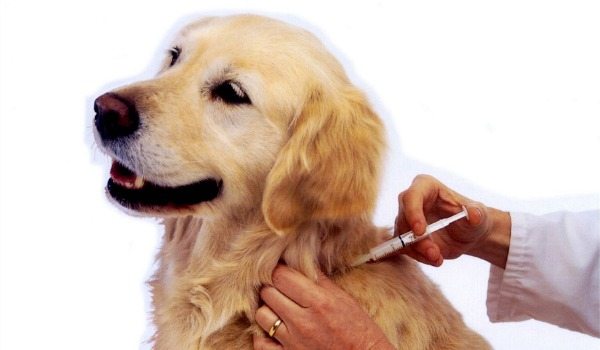
Any caring pet parent understands that keeping up with vaccinations is one of the most important things you can do to protect your dog’s health. What surprises a lot of people, though, is learning that there isn’t a single universally agreed-upon vaccine schedule for dogs. Vets, breeders, and other experts frequently disagree, sometimes strongly, about exactly which vaccines a dog needs, at what age, and how often boosters should be given. The disagreement comes down to several factors: allowing a dog’s immune system to naturally build antibodies, how long protection from each vaccine actually lasts, which diseases can pass from dogs to humans, and the chances of a dog having a bad reaction to a given shot.
So what should a pet parent do?
Here’s a general schedule that most veterinarians tend to agree on:
Rabies is a viral disease that is deadly to both animals and people.
Bordetella is a bacterial infection affecting the upper respiratory tract, more commonly known as kennel cough.
Other Things to Keep in Mind When Vaccinating Your Dog:
-
Bordetella shots are typically optional and should depend on your dog’s lifestyle. That said, most boarding kennels will require it before accepting your dog.
-
Rabies vaccines come in one-year and three-year formulations. Which one makes sense for your dog depends on their lifestyle, immune health, overall condition, and age.
-
Leptospirosis vaccines have become more common lately, since Lepto can spread to people and cases are on the rise. Vets and pet parents used to feel the shot wasn’t worth the risk of side effects compared to the benefit, but that thinking has largely shifted. Some dogs have had serious reactions to this particular vaccine, so it’s worth having a detailed conversation with your vet and carefully weighing the risks and benefits before deciding.
-
Rabies and Leptospirosis can both spread to humans, but Parvovirus cannot. There is a separate strain of Parvovirus that affects humans, but it’s entirely distinct from the canine version, and the two cannot cross between species.
-
Rabies vaccination is legally required, though the required frequency varies depending on where you live.
-
Boarding kennels, groomers, vet clinics, and even some HOAs or rental properties will often require proof that your dog’s vaccinations are current. Keep in mind that some of these places may set stricter standards than what’s legally required in your area.
Staying on top of the right vaccinations is one of the most important things you can do to keep your dog healthy, happy, and active. Even if you feel your dog faces little risk of catching a viral illness, don’t skip vaccinations. The shot you give your dog today could end up being the one that saves their life down the road.