Dogs are part of the family, and just like the rest of us, they notice when the seasons change. Whether it’s sweltering summer heat or a biting winter chill, our four-legged companions need a bit of extra attention to stay comfortable and content no matter the time of year. Here’s a rundown of how to adjust your dog’s care throughout the year so they thrive whatever the weather brings.
Spring: A Season of Renewal
As the snow disappears and flowers start to bloom, spring is a great time to get outside with your dog. That said, it comes with a few challenges worth knowing about.
1. Handle the Shedding
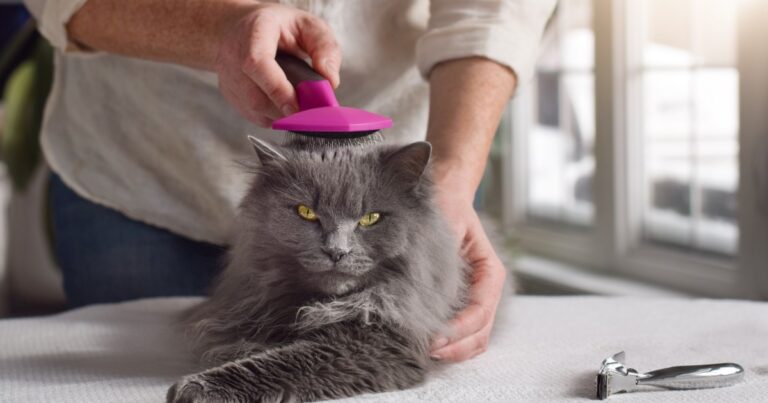
Spring usually brings heavy shedding as dogs lose their winter coats. Brushing regularly keeps loose fur off your furniture and supports healthy skin and coat. A slicker brush or de-shedding tool can make a real difference.
2. Keep an Eye on Allergies
Just like people, dogs can react to pollen. If your dog starts sneezing, scratching, or gets red, watery eyes, seasonal allergies could be the cause. Check in with your vet, and try scheduling walks for times when pollen counts are lower, like early morning or right after rain.
3. Watch for Pests
Ticks and fleas become active again in spring, so make sure your dog’s flea and tick prevention is up to date. After walks through wooded areas, give your dog a quick once-over for any unwanted hitchhikers.
4. Be Careful With Spring Cleaning
If you’re doing a deep clean of your home, store cleaning supplies well out of your dog’s reach, and choose pet-safe products whenever you can to avoid irritation or accidental ingestion.
Summer: Sunshine and Adventure
Summer is prime time for outdoor fun, but the heat can really take a toll on dogs. Keep these tips in mind to help your dog stay cool and comfortable.
1. Keep Them Hydrated
Make sure your dog always has access to fresh water. Bring a portable bowl along on walks or park outings, and try tossing in some ice cubes to help keep the water cool.
2. Watch Out for Hot Pavement
Hot sidewalks and pavement can burn sensitive paw pads. Press your hand to the ground for a few seconds, if it’s too hot for you, it’s too hot for your dog’s paws. Stick to walks during cooler parts of the day, like early morning or evening.
3. Never Leave a Dog in a Parked Car
Even a short amount of time inside a parked car can be fatal for a dog in warm weather. Bring your pup along with you, or leave them somewhere safe at home instead.
4. Offer Shade and Ways to Cool Off
Any dog spending time outdoors needs plenty of shade. A kiddie pool or a cooling mat can also go a long way toward keeping them comfortable.
5. Cut Back on Exercise During Peak Heat
Dogs can overheat surprisingly fast. Skip strenuous activity during the hottest part of the day, and watch for warning signs like heavy panting, excessive drooling, or unusual tiredness. If you spot any of these, move your dog to a cooler area right away and offer water.
Fall: Cool Air and Changing Leaves
Fall is a favorite season for a lot of dog owners, and it’s easy to see why. Milder temperatures and fewer bugs make it a great time for outdoor activities, though there are still a few things worth watching for.
1. More Shedding on the Way
As dogs start growing in their winter coats, you may notice another round of shedding. Stick with regular brushing to manage loose fur and prevent tangling.
2. Watch for Wild Mushrooms
During walks, keep an eye out for mushrooms growing in the wild, since some varieties are toxic to dogs. Teaching a solid “leave it” command can help prevent accidental snacking.
3. Stay Visible
With daylight hours getting shorter, reflective gear or an LED collar can help keep your dog visible during evening walks.
4. Keep an Eye on Fall Treats
Holidays like Halloween and Thanksgiving often bring more sweets and rich foods into the house. Keep chocolate, grapes, raisins, and other toxic foods well out of reach, and remind guests to check with you before slipping your dog any table scraps.
Winter: Cozy Season
Winter has its own kind of magic, but it also calls for some extra precautions. Cold weather and icy conditions can be especially hard on smaller dogs or those with thin coats, so here’s how to keep them safe and warm.
1. Layer Up
Not every dog is built to handle the cold. If your dog shivers outside, a sweater or jacket can help, and waterproof options are worth considering for snowy days.
2. Protect Sensitive Paws
Snow, ice, and road salt can all irritate or hurt your dog’s paws. Pet-safe paw balm or booties offer protection, and wiping down their paws after walks helps remove any leftover salt or chemicals.
3. Adjust What They Eat
Dogs who spend a lot of time outside in winter may need more calories to stay warm, while dogs who are mostly indoors might need less food since they’re less active. Your vet can help you figure out the right amount.
4. Set Up a Warm Place to Sleep
Make sure your dog’s bed sits somewhere warm and free of drafts. Cushioned, orthopedic beds are especially helpful for older dogs who may feel more joint discomfort when it’s cold.
5. Don’t Overdo Bath Time
Bathing too often can dry out your dog’s skin during winter. Stick to moisturizing shampoo and conditioner, and always dry them off completely afterward.
Tips That Apply All Year Long
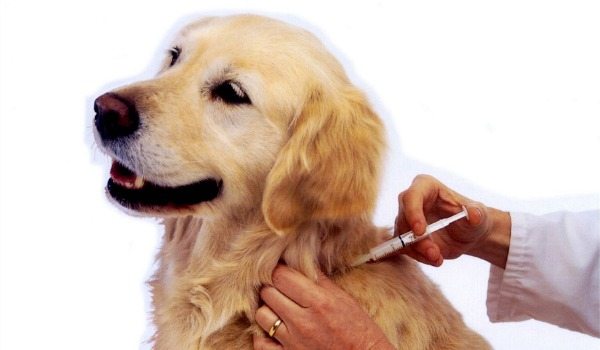
Keep Up With Vet Visits: Regardless of the season, don’t skip routine health checkups. Vaccinations, dental care, and regular exams all play a role in your dog’s overall well-being.
Stay Active Together: Adjust your dog’s exercise depending on the season, whether that’s indoor play in winter or longer hikes come fall. Staying active helps prevent boredom and keeps them fit.
Keep Their Mind Engaged: Puzzle feeders, interactive toys, and training games are great ways to keep your dog mentally stimulated, especially on days when outdoor time is limited.
Pay Attention to Your Dog: Watch your dog’s body language and behavior closely. They’ll usually give you clues when they’re too hot, too cold, or just not feeling like themselves.
Enjoying Every Season Together
Adjusting your dog’s care as the seasons change doesn’t have to feel like a burden. With a little planning and attention, you can help your dog stay happy and healthy all year round, and adapting to their changing needs is a great way to strengthen your bond. So grab the leash, pack a few treats, and make the most of whatever each season brings alongside your best furry friend.