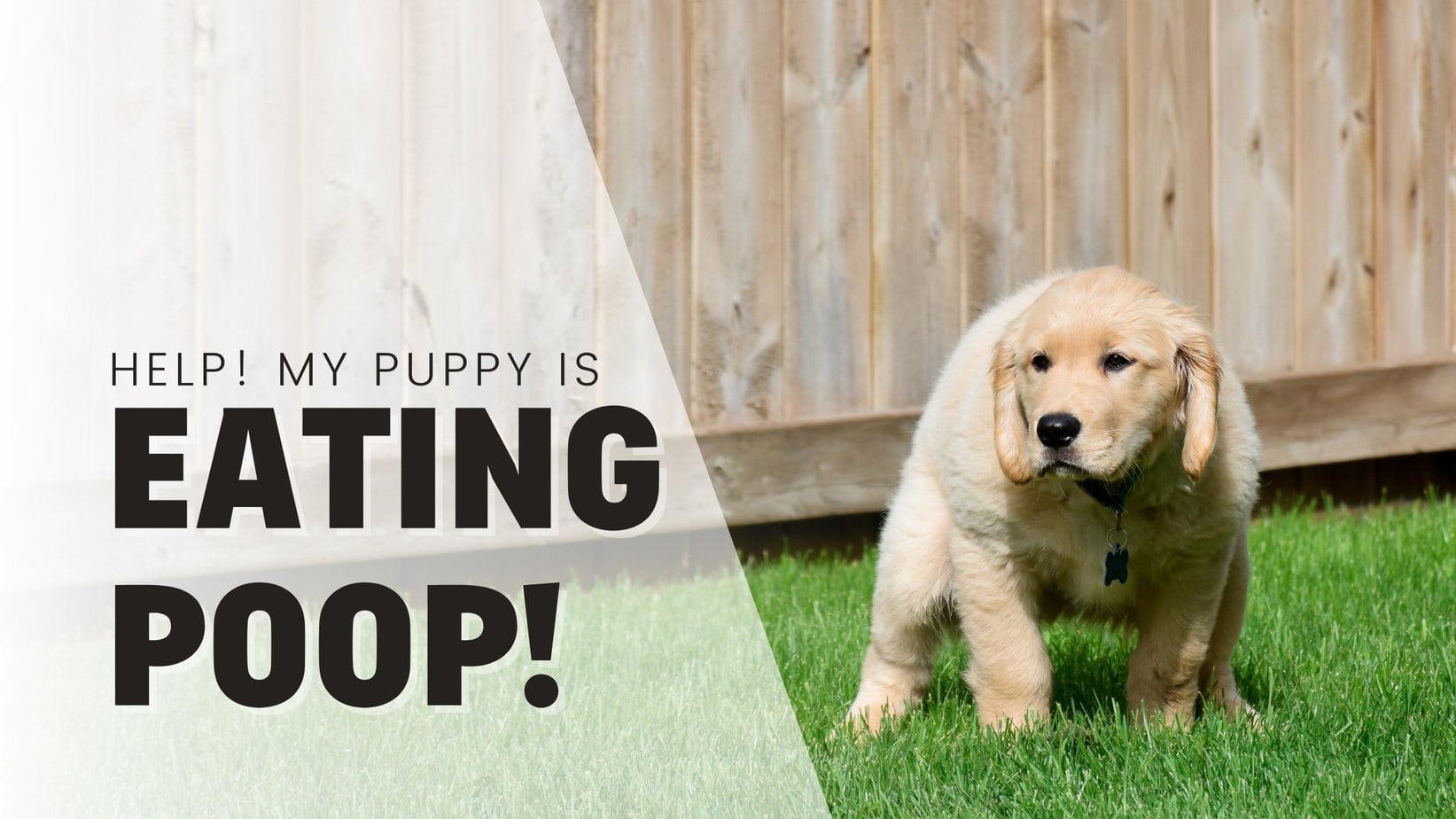
If your puppy has taken up snacking on their own (or someone else’s) waste, you’re far from the only one dealing with it. It’s a common problem (and yes, genuinely disgusting), but it’s also one you can fix. No guilt trips, no scare tactics — just a calm, workable plan that actually gets results.
This isn’t a sign something’s wrong with your puppy morally, it’s just a habit, and frankly dogs can be gross. Puppies investigate everything with their mouths, and if waste sits around too long before being cleaned up, the behavior gets rehearsed over and over. Yelling or making a big deal out of potty time can also backfire, pushing puppies to gulp it down faster or sneak off to do it. Instead, we’ll rely on reward-based training (positive reinforcement) combined with smart management — no punishment, no scolding involved.
Here’s what you can expect: within two to four weeks, the behavior should stop entirely in “controlled spaces” (your home, yard, or anywhere you manage), plus you’ll have solid, practical tactics for “uncontrolled zones” (walks, parks, trails).
Quick wins you can start using right away
In spaces you control, keep an eye on your puppy, clean up right away, and run a simple sit-then-reward routine while you’re bagging the mess. Keep litter boxes and designated potty spots off-limits except during training, and set up barriers like baby gates fitted with cat doors. When you’re out and about, watch for intense sniffing and cheerfully call them away with something like “Let’s go!” before they dive in; use a long leash in problem spots, pick cleaner routes, and think about a basket muzzle for repeat offenders while the training sinks in.
Ignore the myths floating around. Supposed “deterrents” like adding pineapple to meals almost never work, and you shouldn’t change your puppy’s diet unless a vet tells you to. We’ll also cover the warning signs that mean a vet visit is needed (things like weight loss, diarrhea, visible parasites, low energy, vomiting, a change in behavior, or if your puppy is already on prescribed medication) along with basic hygiene habits — like washing your hands thoroughly and cleaning gear with a biological detergent followed by a white vinegar rinse.
When To Call Your Vet (Safety First!)
Most cases of puppies eating stool are just a behavior you can correct through management and positive training. That said, certain signs point toward something medical that needs to be ruled out. Reach out to your vet right away if you spot any of these: weight loss, diarrhea or stools with mucus or blood, visible worms or parasites, vomiting, lethargy or a noticeable shift in behavior, or if your puppy is currently on vet-prescribed medication and you’re seeing new digestive symptoms or an uptick in scavenging. These warning signs can point to things like infections (giardia or worms), inflammation, medication side effects, or other conditions that genuinely warrant a checkup.
What to ask during the appointment
While you’re waiting for your appointment:
Getting in to see the vet often takes a bit of time (especially for something non-urgent like this). So in the meantime, tackle these four things to walk into your appointment well-prepared.
As a general rule, paying attention to your dog’s stool is a genuinely important part of understanding their overall health and wellbeing.
The 3 Main Reasons Puppies Eat Poop
Eating stool (the technical term is coprophagia) isn’t a character flaw, and it’s not something you simply have to put up with either. It tends to stick around because of a mix of instinct, opportunity, and learned behavior.
1 – It’s a normal part of exploring the world
Puppies learn about their surroundings through their mouths. Fresh droppings are pungent and new, which is exactly the kind of thing a curious puppy wants to check out. Our goal is to keep this from turning into a habit.
2 – A slow cleanup means more practice (and practice builds habit)
Every time the “snack” succeeds, it reinforces itself. Cleaning up immediately isn’t optional — it’s how you cut off that reinforcement cycle.
3 – Punishing potty time teaches puppies to sneak around or “eat fast before I get caught”
Scolding or hovering anxiously can push a puppy toward hiding when they go, or gulping things down quickly. Keep potty time relaxed and reward the behavior you actually want.
Other contributing factors
While those three causes are the main drivers, there are occasionally other explanations, though they show up less often — and from a training perspective, I’d recommend assuming it’s one of the three above unless one of these is obviously the case.
4 – Attention-seeking cycles: chasing after your puppy or scolding them can turn it into a game of keep-away, which makes the behavior even more rewarding for them
5 – Not enough stimulation: puppies that are under-stimulated tend to scavenge more, so enrichment activities can help. Give them other outlets for hunting and searching for food.
6 – Picking it up from other dogs: management still does the trick here! work with the first dog and the second one will often follow suit (or maybe steer clear of that friend at the dog park for a while)
7 – Seasonal or situational factors: frozen “poopsicles” in winter, areas with wildlife, or crowded parks can all increase the temptation.
Controlled spaces versus uncontrolled zones
To make quick, dependable progress, split your puppy’s world into two categories, each with its own goal.
Controlled spaces
What it means: areas you’re in charge of — your home, yard or garden, balcony, designated potty spot
Goal: no chances to practice the behavior at all; within two to four weeks, this should be a non-issue here
How: close supervision, immediate cleanup, the Sit-Pick-Up-Reward routine, and smart barriers (baby gates with cat doors, litter boxes that are properly secured, potty spots only accessible during training sessions). In these spaces, you’re essentially wiping out the reward the habit relies on and replacing it with a routine that pays off differently.
Uncontrolled zones
What it means: areas outside your control — sidewalks, parks, trails, beaches, open fields
Goal: catch it early and redirect cheerfully; bring in humane backup tools if needed
How: keep an eye on how intensely they’re sniffing, use an upbeat “Let’s go!” to redirect and move on, stick to cleaner paths, use a long leash in known problem areas, and consider a properly fitted basket muzzle for dogs who scavenge a lot while training is still taking hold
In these unpredictable areas, you’re managing distance and timing so that sticking with you feels better than investigating.
Step One: Set Things Up So There’s Nothing to Practice
The objective here is simple: eliminate every opportunity to rehearse the behavior.
That involves blocking access, swapping “find it and eat it” for a calm, rewarded routine, and making sure cleanup happens quickly and consistently every time.
Managing Your Home and Yard
- Watch every potty break. Use a leash or long line in the yard if that helps.
- Clean up right away. Keep bags, a scoop, and a sealed bin near the door so there’s no excuse to delay.
- Set up one specific potty spot. Keep it plain and simple to keep an eye on, and sweep it every day.
- Use barriers strategically. Baby gates (paired with cat doors) or shut doors can keep litter areas off-limits.
- Lock down litter boxes. Even the high-tech self-cleaning kind still need a physical barrier.
- Puppy pads or potty patches: only bring them out during scheduled breaks, and keep them stored away the rest of the time.
- Apartments or balconies: Keep your puppy leashed to the pad, reward them after they go, and clean it up right away with a biological detergent followed by white vinegar.
- Homes with multiple dogs: Let dogs out one at a time, and clean up after each one before the next goes out.
- Nighttime or dim lighting: Bring a headlamp and keep the long line on if your yard tends to be a trouble spot.
💡 Gear worth having on hand: a treat pouch, a long line, a scoop, a sealed bin, baby gates, and a properly secured litter box setup.
What to avoid:
- Don’t leave your puppy alone in the yard unsupervised.
- Don’t put your faith in deterrents or so-called “poop-eating” supplements.
- And never scold your puppy during or right after they go potty — it just teaches them to slip away and hide next time.
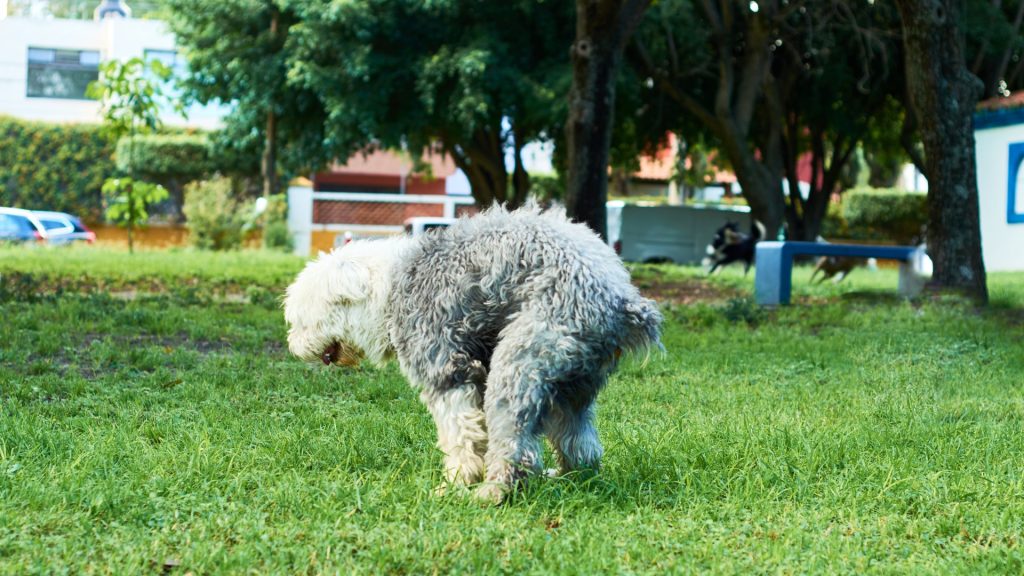
Step Two: Teach the Sit-Pick-Up-Reward Routine
Your new mantra: swap out “sniff, grab, eat” for “sit, wait, get rewarded.”
This turns into your go-to cleanup routine — calm, predictable, and positive every time.
Here’s how it works
Why this works: It cuts off access to the temptation, rewards a behavior that can’t happen at the same time as eating stool (sitting calmly), and keeps potty time low-pressure.
Helpful pointers
- Put some distance between your puppy and the mess before asking for a Sit.
- Give the reward away from the pile itself.
- Early on, use two small treats — one for the sit, one after cleanup.
- Stay calm and quiet; don’t repeat the cue over and over or scold.
Troubleshooting:
- Puppy lunging back toward it? Step on the leash and feed a quick series of treats while you bag it up.
- Won’t sit? Add more distance and reward them just for turning toward you first.
- Multiple dogs at home? Try walking just one dog at a time, especially early on, and separate out the repeat offender!
- Using pads or patches? Same approach applies — sit, clean up, reward, sanitize.
Building the routine into a habit
- Days 1-3: Run through the full routine with two treats every single time.
- Days 4-7: Keep the same approach going; give double treats in known trouble spots.
- Weeks 2-3: Cut back to one treat in easy areas, keeping two in tempting ones.
- After that: Keep your cleanup supplies staged and ready so success stays effortless.
Step Three: Walks and Real-World Situations
You can’t control what’s lying around outside — but you can control when, how far, and how you respond.
That’s where the cheerful “Let’s go!” redirect comes in.
The redirect pattern
Why it works: It catches their interest early before they lock in, rewards them for choosing to follow you, and keeps the leash slack.
Gear checklist: treats, a long line (for known trouble spots), poop bags, and possibly a basket muzzle for dogs who scavenge frequently.
Route tip: stick to cleaner paths while training is underway; steer clear of wildlife or livestock areas for now.
Troubleshooting during walks
- Freezing in place or staring? Add distance and pick up your energy. Reward promptly the moment they follow you.
- Not responding to “Let’s go!”? You’re standing too close — back off, switch to higher-value treats, and reward quickly.
- Already grabbed something? Don’t chase after them. Calmly offer a trade with a high-value treat and move along.
How this should progress:
- Week 1: Reward almost every good response.
- Weeks 2-3: Reward every other easy repetition, but stay generous in the harder spots.
Step Four: Basket Muzzles for Dogs Who Scavenge Constantly
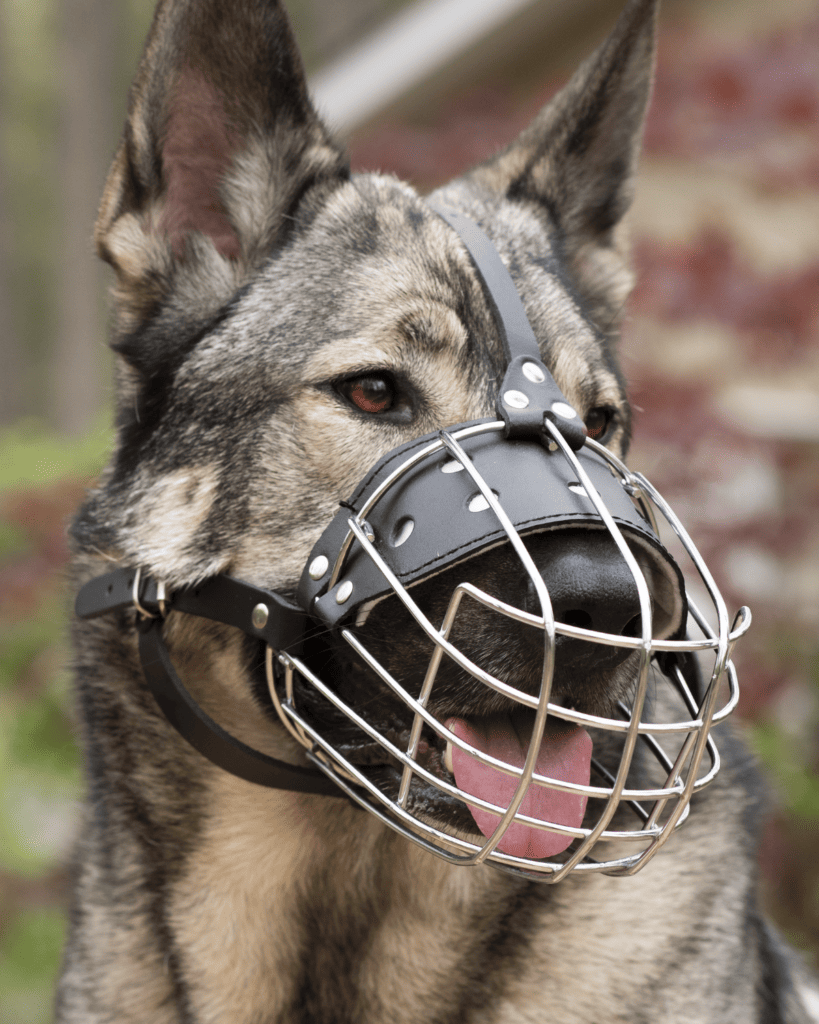
For some dogs, particularly in dirty areas or spots with a lot of wildlife activity, a basket muzzle can serve as a humane backup plan. It’s not meant as punishment — it’s a safety net to lean on while training takes effect.
Picking and fitting a basket muzzle
- Choose a basket-style muzzle (not a fabric one) that still allows panting, drinking, and taking treats.
- Look at models built specifically to prevent scavenging.
- It should clear the nose, allow full panting, and fit snugly without chafing.
Getting your puppy used to it:
- Days 1-2: Pair the sight of the muzzle with treats; let your puppy come to it on their own.
- Days 3-4: Encourage them to nudge it with their nose and get comfortable with the straps touching them.
- Days 5-6: Clip it on briefly, feed treats through it, then take it off.
- Week 2: Go on short, easy walks while treating generously.
Keep the whole process upbeat, remove it once you’re back home, and never leave your dog muzzled without supervision.
Cleaning tip: rinse it off, wash with a biological detergent, sanitize with white vinegar, and let it air-dry.
Step Five: Hygiene and Keeping the Family Safe
Quick cleanup paired with solid hygiene habits protects both your dog and the humans in the house.
- Always clean up right away and wash your hands afterward.
- Keep kids’ play areas separate from anywhere your dog goes potty.
- Cover sandboxes and sweep the yard on a regular basis.
- For gear and surfaces: remove solid waste, wash with a biological detergent, optionally rinse with vinegar, then air-dry.
- Wash leashes, harnesses, and cloth items by hand or on a hot cycle, and let them dry completely.
If your puppy develops loose stool, digestive changes, or a sudden shift in behavior, check in with your vet — they may suggest a fecal test or deworming.
Step Six: Diet, Myths, and Supplements
You’ll come across plenty of internet advice like “just add pineapple!” or “switch to a raw diet!” — but the honest truth is, there’s no diet trick that magically fixes this.
- Stick to a consistent, balanced diet appropriate for your puppy’s age.
- Don’t waste time chasing unproven remedies — pineapple, papaya, MSG, or “anti-poop-eating” chews rarely do anything.
- Probiotics, fiber, and enrichment activities can support gut health and cut down on general scavenging, but think of them as supporting tools, not solutions on their own.
- Raw diet versus kibble? There’s no solid evidence either way makes a difference. This usually just comes down to consistent effort.
Optional Extra Skills: “Leave It” and “Drop It”
These aren’t your primary tools for stopping poop-eating, but they’re excellent safety nets to have.
Leave it:
- Start with a treat hidden in your closed fist; reward the second your puppy backs off or looks away.
- Move on to items on the floor covered up; reward them for turning their attention to you.
- Keep these sessions brief and upbeat.
Drop it:
- Calmly trade for a high-value treat; reward them the moment they let go.
- Give the item back frequently so it doesn’t feel like they’re losing something.
- Practice with toys and simple objects before working up to the unpleasant stuff.
A Week-by-Week Look at Progress
Week 1: Lock everything downSupervise every potty break, run Sit-Pick-Up-Reward each time, and begin practicing “Let’s go!” Start muzzle conditioning if that applies to you.
Week 2: Add in real-world practiceKeep supervision consistent, add more distance before asking for a Sit, and start using “Let’s go!” sooner during walks.
Week 3: Narrow the gapCut back the extra treat in easy spots, and start testing closer to tempting situations.
Week 4: Lock it inKeep opportunities at zero. Stay generous with rewards in trouble spots and stay consistent with your gear and barriers.
Hit a setback?Don’t panic or punish — just tighten up management for a few days, use higher-value treats, and go back to easier wins for a bit.
Getting Past Coprophagia
Eating stool isn’t a sign of bad training or poor manners on your part — it’s simply a normal puppy quirk that fades with structure and repetition.
Stay consistent, keep your routines calm, and don’t lose your sense of humor — your puppy will grow out of this fascination. Along the way, you’ll end up with a cleaner yard, easier walks, and a stronger bond built on trust and teamwork. You’ve got this!