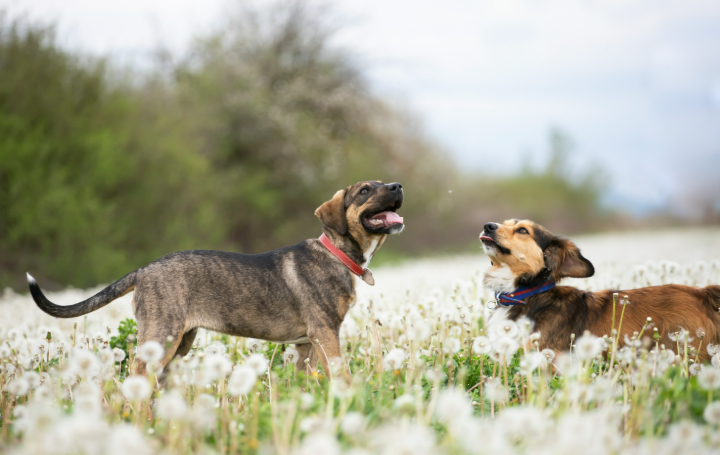

As a dog owner, you get a front-row seat to just about every phase of your dog’s life — including the odd little habits they pick up as they grow older.
One habit almost every dog owner has noticed at some point is a dog munching on grass. Watching this, you may find yourself wondering, “Is my dog going vegetarian on me?”
The short answer is no — that’s not what’s happening. Grass-eating doesn’t signal a shift toward a plant-based diet. It’s simply a strange but fairly typical habit dogs pick up.
So what’s driving this sudden craving for greenery? This article digs into why dogs nibble on grass, the likely explanations behind it, and what you can do about it.
Grass-Eating in Dogs: A Sign They’re Going Vegetarian?
Watching your dog dig into a patch of grass as if it were a gourmet salad can leave you scratching your head.
You might notice it on a walk when your dog spots a particularly appealing patch of lawn at the park, or you might catch them grazing in your own backyard.

None of that means your dog is gradually giving up meat. Dogs are fundamentally carnivores, and although they can digest certain fruits and vegetables, munching on grass isn’t a sign that their diet is changing.
One possible explanation is a condition called Pica, where animals eat unusual, non-food items — something that’s often tied to a diet lacking certain nutrients, vitamins, or minerals.
But if your dog seems perfectly healthy and eats a balanced diet, what’s going on? Let’s break it down.
5 Explanations for Why Dogs Nibble on Grass
Plenty of theories and guesses have been floated to explain why dogs eat grass, but honestly, nobody has pinned down a single definitive cause.
You’ve probably heard the claim that dogs eat grass to calm an upset stomach. Is that actually accurate? Fortunately, research exists that supports a few explanations while debunking others as pure myth.
Want to know what the science actually says? Keep reading for five likely reasons behind this behavior.
1. Your Dog May Be Understimulated
Nibbling grass can point to a lack of mental engagement. Dogs need mental challenges just as much as physical activity to stay content and healthy.
Chewing and digging are both behaviors often tied to boredom, functioning as a dog’s way of coping with stress or a lack of stimulation.
So if your dog is chowing down on grass, it could be a signal that they need more exercise.
2. Your Dog Simply Enjoys How Grass Tastes
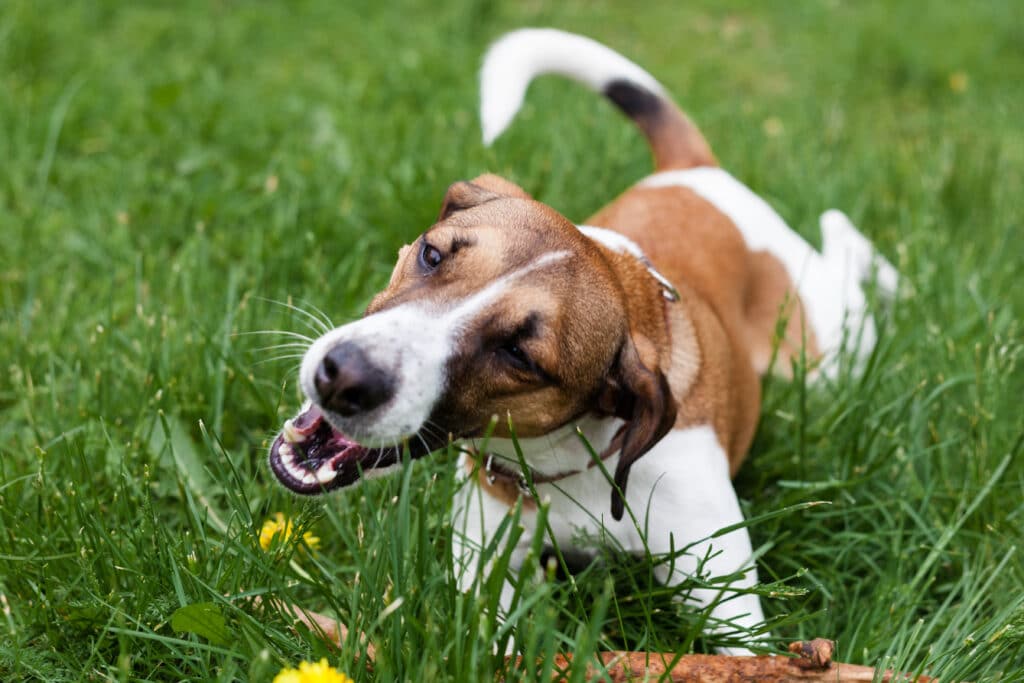
Rest assured — your dog isn’t turning vegetarian! That said, grass-eating tends to show up more often in spring and summer, roughly between April and August, when grass is at its freshest.
The scent, texture, and flavor of fresh grass may simply be more appealing to dogs during these months, prompting them to dig in.
One study even found that grass was the plant most commonly consumed among dogs, eaten by 79% of them.
3. It Could Just Be Instinctual
Some researchers believe this grass-eating tendency traces back to instincts passed down from wolf ancestors.
According to VCA Hospital, stool sample analysis shows that anywhere from 11% to 47% of wolves consume grass, since wild canines eat whatever helps meet their basic nutritional needs.
Even though today’s dogs no longer have to hunt for food, that old scavenging instinct hasn’t disappeared.
So if you occasionally spot your dog eating grass, there’s likely no reason to worry — it may just be a natural behavior.
4. Your Dog Might Need More Fiber
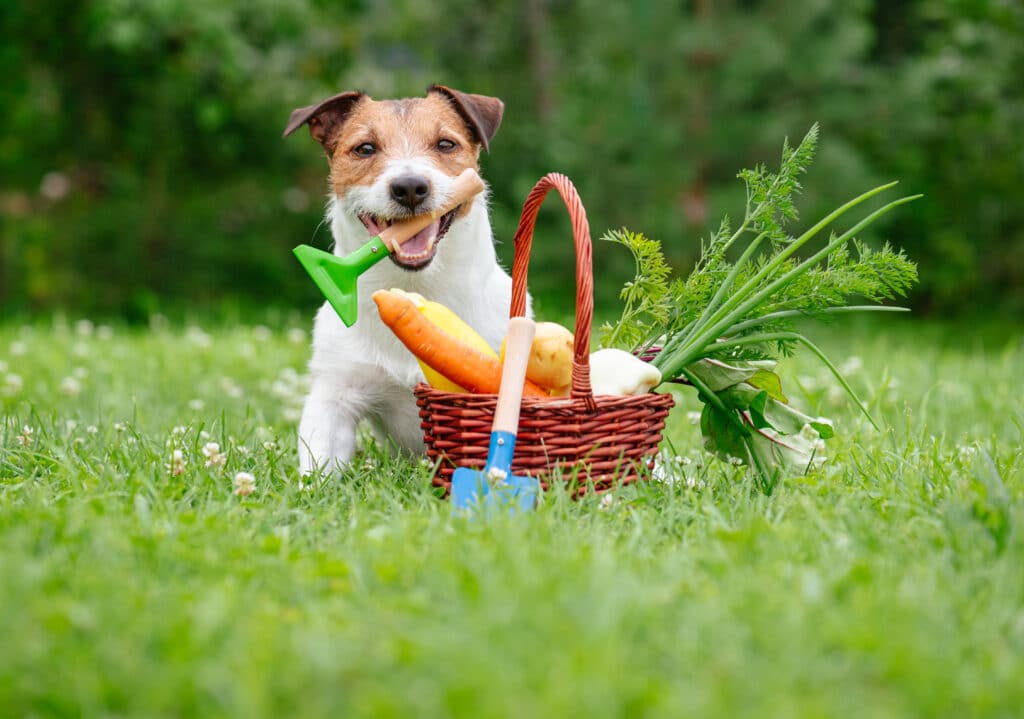
An unbalanced diet can also explain this behavior. Because grass is fiber-rich, dogs sometimes turn to it when their regular food isn’t supplying enough of the nutrients they need.
Signs of insufficient fiber include loose stools or constipation. If you’re noticing those symptoms alongside grass-eating, it’s worth reassessing your dog’s diet and adding more fiber to it.
Some fiber-rich foods that are safe for dogs include:
- Blueberries
- Carrots
- Apples
- Watermelon
- Canned, unseasoned pumpkin
- Green beans
- Broccoli
- Banana
That said, introduce these in moderation — too much fiber can lead to digestive trouble like diarrhea, bloating, and dehydration.
5. Your Dog Could Be Trying to Calm an Upset Stomach
Grass-eating can also be a dog’s way of self-soothing a stomach ache.
If this behavior comes along with vomiting or diarrhea, a digestive issue is probably to blame.
Since grass is high in fiber, it can help regulate loose stools or constipation. It’s also thought to help settle a dog’s stomach by lowering its pH, which may ease discomfort and other symptoms.
Is Grass-Eating in Dogs Something to Worry About?
Not typically, as long as it happens only now and then. But if it becomes excessive, or shows up alongside symptoms like lethargy, vomiting, or diarrhea, it’s worth taking seriously.
It’s also important to make sure any grass your dog grazes on in the backyard hasn’t been treated with pesticides, herbicides, or other harmful chemicals — exposure to these can be extremely dangerous for your dog.
If grass-eating shows up together with other signs of illness, reach out to your veterinarian right away.
Ways to Curb Grass-Eating in Dogs

If this habit has gotten out of hand, it may be time to work on reducing it. Here are a few approaches that can help:
Final Thoughts
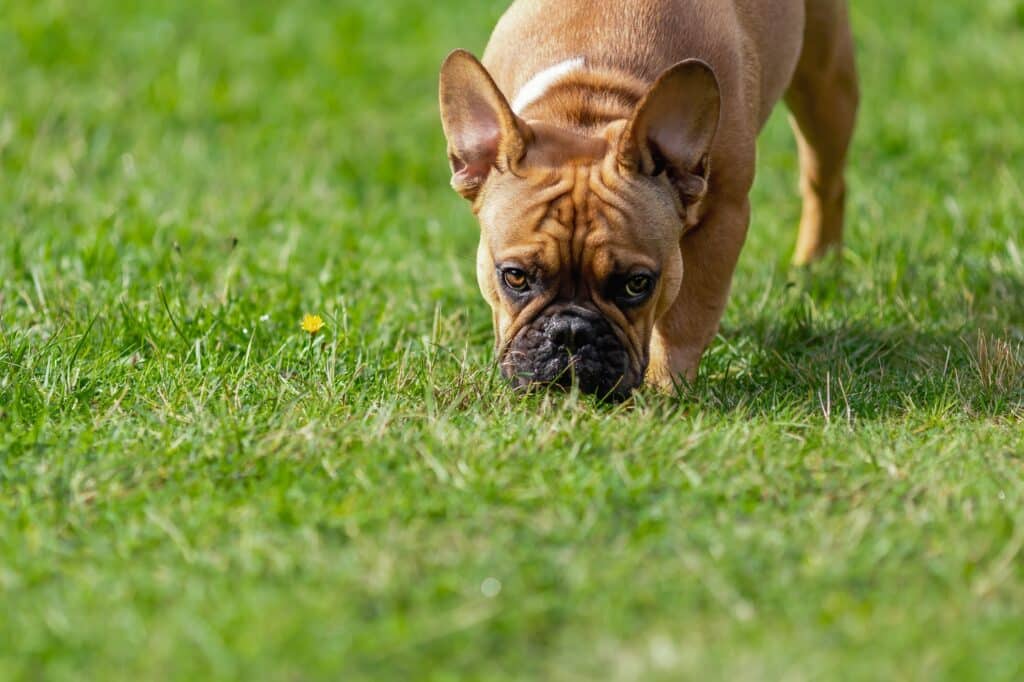
Grass-eating is usually nothing serious, and it definitely doesn’t mean your dog has decided to go vegetarian!
Even so, since it’s a quirky but common behavior, it’s worth keeping tabs on how frequently it happens and whether any other health issues show up alongside it. Staying alert lets you catch and address any real underlying problem early.
How often does your own dog snack on grass, and what do you do to manage it? Let us know in the comments!