When disaster strikes, it’s often a four-legged responder who reaches the scene first. Dogs have long held the title of humanity’s closest companion, but in search and rescue work, they turn out to be far more than that.
Thanks to their extraordinary noses, nimbleness, and unwavering devotion, these brave dogs save lives and earn their status as genuine heroes. Let’s take a closer look at the world of search and rescue dogs and some of the inspiring stories behind them.
What Makes Dogs So Well-Suited to Search and Rescue
Dogs have held an important place in search and rescue work throughout history, evolving from simple companions into skilled specialists. So what exactly makes them so well-suited to this kind of work?
A Far Sharper Sense of Smell: A dog’s nose can pick up on scents roughly 100,000 times more powerfully than a human’s can. That remarkable ability lets them detect scents from great distances and even through snow, water, and rubble, making them invaluable when it comes to locating people who are lost or trapped.
Speed and Nimbleness: Compared to people, dogs move through rough terrain with far greater speed and agility. They can dash across uneven ground, squeeze through narrow gaps, and climb over debris with ease. That physical dexterity lets them reach spots that would otherwise be off-limits to human rescuers.
Intelligence and Training: Search and rescue dogs undergo demanding training programs designed to sharpen their natural instincts. They’re taught to track scents, respond to specific commands, and stay focused even in high-pressure situations. Their intelligence and trainability make them dependable partners in rescue work.
Different Types of Search and Rescue Dogs
Search and rescue dogs come in a range of sizes and specialties, with each type suited to a particular kind of job. Here are some of the most common categories of SAR dogs:
Air-Scenting Dogs: These dogs are trained to pick up on any human scent in the air. Because they can move freely and catch scents carried on the wind, they’re typically deployed in wilderness areas or disaster zones.
Trailing Dogs: Trailing dogs track a specific individual by scent, usually starting from an article of clothing or something that person has touched. They’re especially effective for finding missing people in both urban and forested areas.
Water Rescue Dogs: These dogs are trained specifically for rescue work in the water. Breeds like Newfoundlands and Labrador Retrievers are strong swimmers trained to pull people from drowning situations or locate remains in the water.
Cadaver Dogs: Dogs trained to detect human remains are known as cadaver dogs. They play a critical role in locating victims of crime, accidents, or natural disasters.
Remarkable Stories of Canine Heroes
The search and rescue world is full of unforgettable stories about dogs who’ve saved countless lives. Here are a few that stand out:
Jake, a Hero From 9/11
In the aftermath of the September 11, 2001 attacks, a black Labrador Retriever named Jake became one of the most recognized search and rescue dogs in the country. Deployed to Ground Zero in New York City, he spent hours combing through the wreckage searching for survivors and remains.
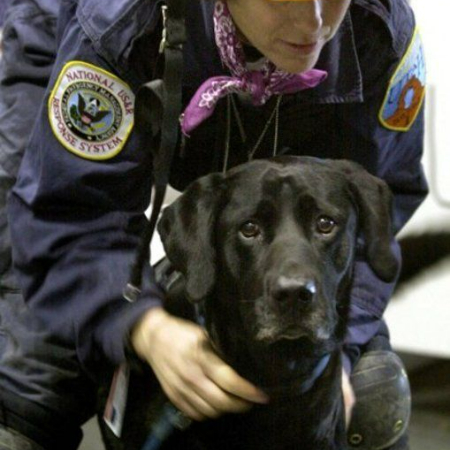
Despite the grueling conditions, Jake worked tirelessly alongside his handler and fellow rescuers. His courage and endurance during one of the darkest moments in the nation’s history cemented his place as a true hero.
Frida, Survivor of the Earthquakes
After the 2017 earthquakes struck Mexico, a yellow Labrador Retriever named Frida became a household name. Trained by the Mexican Navy in search and rescue work, she managed to locate more than 40 people trapped beneath rubble and helped save 12 lives in the process.
Her bravery and determination won admiration around the globe, turning her into a symbol of hope and resilience.
Bear, the Wildlife Tracker of Australia
In the wake of Australia’s wildfires, a Border Collie mix named Bear was trained to track down injured koalas. While Bear isn’t your typical SAR dog, his contribution has been enormously valuable. Fitted with special protective booties to guard his paws against the heat, Bear is able to sniff out injured wildlife and guide rescuers to animals in need after fires sweep through an area.
Through his efforts, Bear has helped save numerous koalas, proving just how varied the heroism of SAR dogs can be.
The Training Behind the Heroism
Turning a dog into a search and rescue professional is no small feat. It demands dedication, patience, and time from both the dog and its handler. The process generally starts in puppyhood and takes about two years to complete.
Foundational Obedience: Before starting any SAR-specific work, dogs need to master basic commands like sit, stay, and come. This groundwork keeps them safe and effective once they’re out in the field.
Specialized Instruction: Depending on their intended role, dogs receive focused training to build on their specific strengths — this can include agility work, scent identification, and targeted search techniques.
Exposure and Socialization: SAR dogs need to stay calm and comfortable around unfamiliar environments, people, and other animals. They’re deliberately exposed to a wide range of sounds, sights, and smells so they remain alert and composed no matter the situation.
Simulated Scenarios: Handlers regularly run their dogs through staged disaster simulations. This prepares them to handle the unpredictable, chaotic nature of real rescue missions.
The Partnership Between Dog and Handler
The bond between a search and rescue dog and its handler is central to whether the team succeeds. That relationship is built on mutual trust, respect, and clear communication. Since handlers and their dogs often live and work side by side for years, the connection they build strengthens their teamwork considerably.
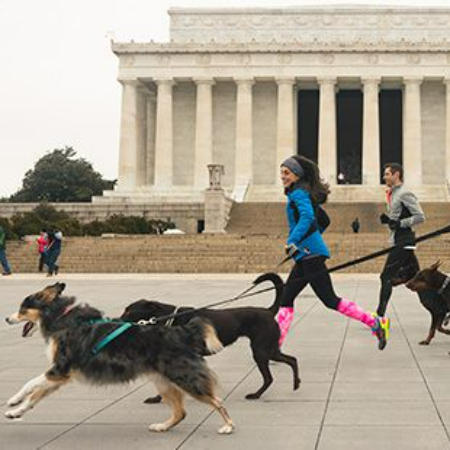
This bond shows up clearly during every rescue. Dogs look to their handlers for guidance and reassurance, while handlers depend on their dogs’ instincts and skills. Together, they embody what real teamwork looks like as they face down difficult, high-stakes situations.
In Closing
Search and rescue dogs are far more than pets — they’re genuine heroes who put themselves in harm’s way to help others. Whether in disaster zones or remote wilderness, these courageous dogs show up tirelessly for people who need them.
Their remarkable abilities, unwavering loyalty, and moving stories are a powerful reminder of the extraordinary bond between people and dogs, a bond that saves lives and inspires us daily.
Whether they’re finding survivors after an earthquake or tracking a lost hiker through the mountains, search and rescue dogs prove time and again that they’re not just man’s best friend, they’re so much more.