
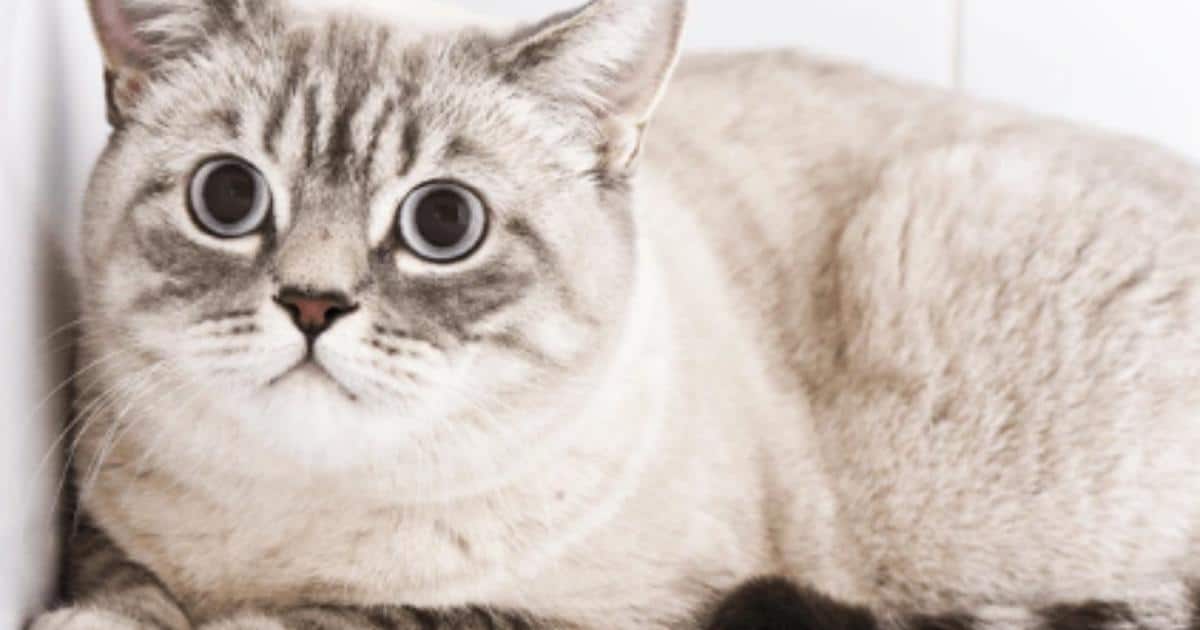
It’s tempting to assume we know our cats inside and out, especially given how much of our daily lives we share with them. We pick up on their favorite napping spots, their playful energy, and the subtle ways they ask for comfort. But underneath those familiar patterns, there are emotional cues that frequently slip past us. A recent study found that many people, even lifelong cat owners, have trouble picking up on signs that their cat is anxious, uneasy, or scared — pointing to a surprising blind spot in how we read subtle animal emotions.
A study released on March 24, 2026 looked into how accurately people can interpret feline emotions. What it found was a disconnect between what we assume we’re seeing and what a cat is actually experiencing. Even owners who are genuinely attentive and caring can miss faint signs of distress.
Nearly 2,000 people took part in the research, each asked to watch brief video clips of cats. Every clip captured a cat in one of three emotional states — relaxed, tense, or afraid. Participants had only visual cues to go on: body posture, facial expression, and tail movement. People did edge out random guessing, but overall accuracy stayed low.
What the Research Found
Each participant watched 12 clips and tried to name the cat’s emotional state in each one. The clues were present — a lowered stance, ears pinned back, a stiffened tail. These are signals that trained professionals learn to spot over time.
For the average person, though, telling these states apart proved difficult.
Notably, no single emotion was easier to identify than the others. Even fear — which you might expect to be obvious — was frequently missed. That suggests feline stress cues can be quite subtle and easy to misread.
Two groups stood out with better results: women, and people who had prior experience owning cats. That’s a telling detail — reading a cat’s emotional state isn’t instinctive. It’s a skill built through familiarity and learning.
Age had a small effect too. Older participants scored slightly lower on average, though the gap was minor. That’s not a sign of indifference — it may instead reflect generational differences in how cats were understood, or gradual shifts in perception over time.
Recognizing feline body language begins with knowing the common indicators of stress:
Common Indicators of Stress in Cats
- Ears pinned flat or turned sideways
- Wide, dilated pupils or an alert stare
- A tightly tucked tail or one that flicks rapidly
- A low, crouched posture
- Freezing suddenly or going still
- Hiding more frequently than usual
- Grooming or licking excessively
- Eating less or refusing food
- Vocalizing more than normal, or going unusually quiet
- Steering clear of people or other pets
- Tense muscles or a stiff stance
- Sudden irritability or aggression
Why This Matters for Cats
A stressed cat doesn’t always make it obvious. The signs are frequently quiet ones — a stiff body, a tucked tail, ears drawn back slightly. These small cues can mean a cat feels unsafe or overwhelmed.
When these signals get missed, the cat keeps experiencing stress with no relief in sight. At home, that can eventually lead to behavioral shifts or health problems. At the vet’s office, it can turn an already stressful visit into something even harder for the cat.
Plenty of owners assume their cat is relaxed simply because it isn’t reacting dramatically. But being still doesn’t always equal being comfortable — sometimes it means the cat has shut down instead.
This isn’t a matter of owners not caring. It comes down to awareness. The study points out that most people were never taught how to interpret a cat’s body language in the first place.
Learning to Recognize What Cats Are Feeling
The encouraging takeaway from this research is that this skill is learnable. People who spend more time around cats generally get better at picking up on their emotional signals.
Small shifts in attentiveness can go a long way — noticing how a cat carries its body, watching what its tail is doing, paying attention to ear and eye position. These details make up a language cats rely on constantly.
This knowledge carries extra weight in veterinary settings. A cat already anxious at home can feel even more exposed inside a clinic. When owners can catch early stress signals, they can help make the whole experience calmer for their pet.
Clinics that rely on gentle handling and calm, quiet spaces also make a real difference. These aren’t minor niceties — they’re essential to protecting a cat’s overall well-being.
Moving Toward Better Understanding
This research serves as a gentle nudge. Loving a cat doesn’t automatically mean understanding every cue it sends your way. But with a bit of guidance and closer attention, that understanding can grow over time.
Learning to notice the quiet signs of stress gives cats something valuable: a sense of security, the chance to be understood, and a life where even their smallest movements are acknowledged.
Ultimately, it’s not about getting it perfect every time. It’s about making the effort to listen more carefully to what our cats are already trying to tell us.