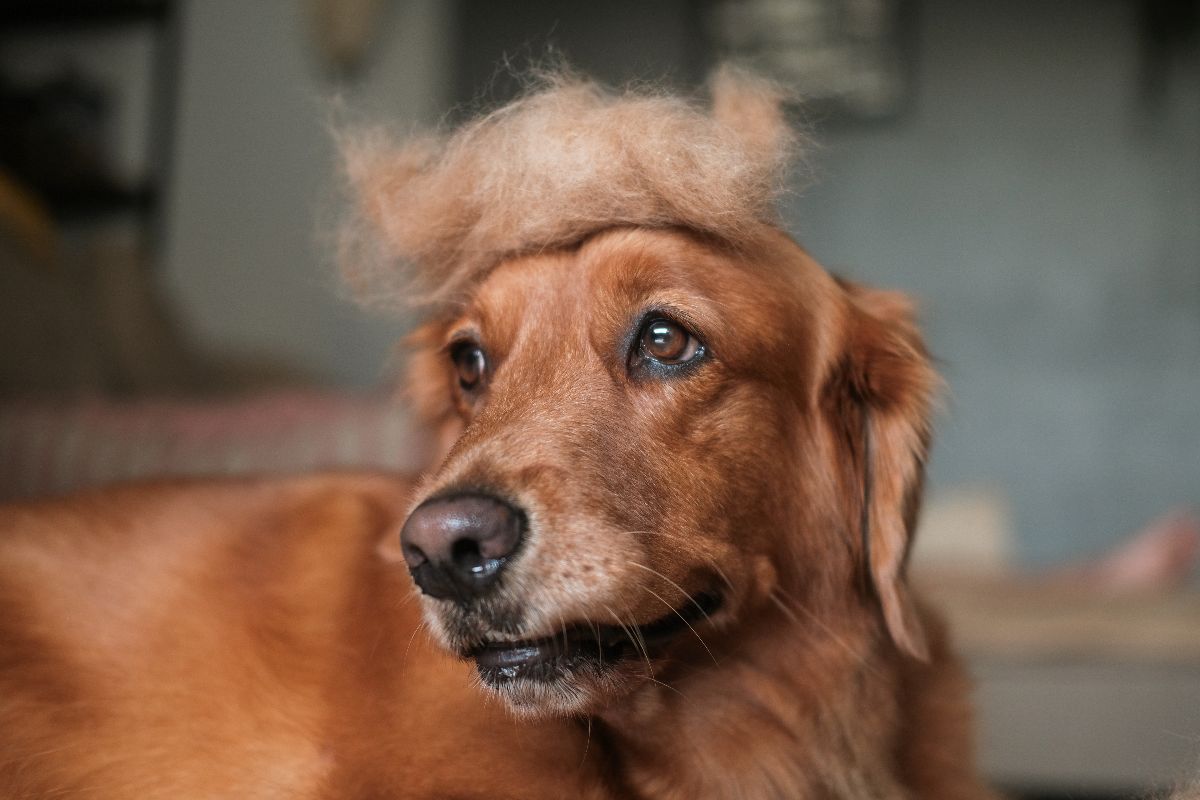
Heavy shedding in summer can leave dog hair all over your floors, furniture, and clothing, but the right nutrition can go a long way toward keeping it in check. Working a coat-supporting nutrient into your dog’s meals can encourage healthier skin, sturdier fur, and a glossier coat. Combined with routine grooming, this small dietary adjustment can make seasonal shedding a lot easier to live with.
Why Is My Dog Shedding So Heavily in Spring and Summer?
Heavy shedding can stem from several different causes, but diet is frequently the primary factor. As convenient as commercial kibble is, one of its biggest shortcomings is that it struggles to preserve the quality and strength of a key nutrient group: omega fatty acids.
Referred to as essential fatty acids, Omega-3 and Omega-6 fats aren’t something a dog’s body can manufacture on its own, so they need to come from food (which is exactly why they’re called “essential”).
Research over recent years has revealed a wide range of benefits tied to these essential fatty acids. Dr. Steve Marsden, DVM, writing for VCA, notes that “Fatty acid supplements can reduce shedding, promote growth of the undercoat, reduce tendencies to inflammation and help resolve inflammation.”
Doesn’t Dog Food Already Contain Omega-3?
Plenty of dog foods list Omega-3 fatty acids on the label, but these fats frequently can’t hold up to the intense heat and pressure involved in producing kibble, leaving them biologically unavailable to your dog once it’s made. Even in cases where they do make it through processing intact, they’re prone to turning rancid inside the bag before your dog ever eats them. That’s part of why many owners look beyond standard commercial kibble to meet their dog’s nutritional needs.
Easy Ways to Work Omega-3 Into Your Dog’s Everyday Diet
Working fresh fish into your dog’s meals is an excellent way to increase their intake of high-quality omega fatty acids. Many vets suggest offering fish two to three times a week.
Another increasingly popular route is shifting to a raw or prey-model diet. Raw, unprocessed foods generally retain much higher levels of these essential fats.
Since fresh fish or raw feeding can be pricey and time-consuming for some owners, omega fatty acid supplements have become a more popular alternative in recent years.
What Should You Look for in a Good Omega-3 Supplement?
Pure salmon oil is a go-to supplement for many dog owners. It does offer real benefits, though we tend to favor fish sourced lower on the food chain, such as krill or anchovies, since they’re less likely to build up heavy metals like mercury.
Many pet owners also gravitate toward omega powders, since they tend to be more palatable and often deliver additional nutrients that benefit skin and coat health at the same time.
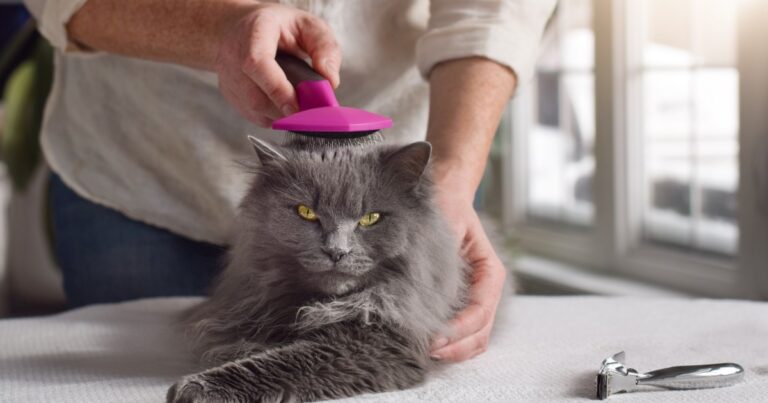
Beyond diet, there are several other ways to help manage your dog’s shedding. Make sure to brush regularly, bathe them at a reasonable frequency (not too often, not too rarely), and stay on top of flea prevention.
Keep in mind that shedding on its own isn’t a health concern, but unusually heavy shedding can sometimes point to something more serious. Talk to your vet if shedding becomes a persistent issue, since it could be tied to things like chronic stress, immune dysfunction, hormonal imbalances, fungal infections, or parasites.
Supporting a Healthier Coat From the Inside
Some shedding during the summer months is entirely normal, but solid nutrition can help your dog hold onto healthy skin and resilient fur. Introduce any new supplement slowly, stick to the correct serving size for your dog’s size, and keep an eye out for changes in their coat and overall comfort. If shedding suddenly spikes, becomes excessive, or shows up alongside itching or bald patches, reach out to your veterinarian to rule out an underlying health problem.