
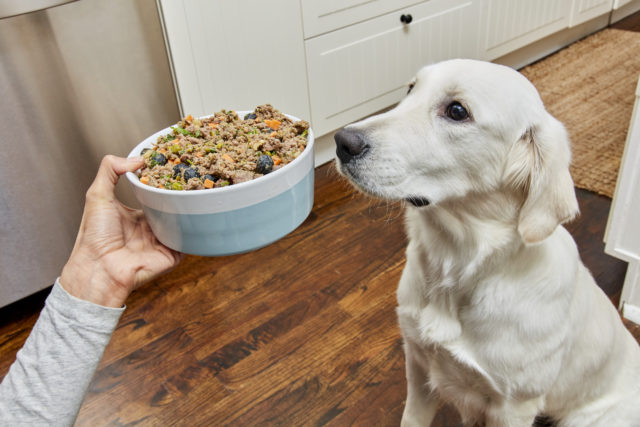
What your dog eats shapes nearly every part of their daily life, and it matters just as much to the people caring for them. Every bowl you fill plays into your companion’s long-term health and happiness. Because so many pet parents ask similar questions about feeding their dogs, we brought the most common ones straight to a pair of experienced veterinary technicians for clear, practical answers.
Meet the Experts
Dina Fantegrossi spent more than 15 years working as a veterinary technician before retiring, and has written extensively on canine care while volunteering with rescue organizations across underprivileged parts of South Carolina.
Amber LaRock is a licensed veterinary technician with over a decade of hands-on experience. She currently lives in Phnom Penh, Cambodia, where she volunteers with local animal rescues, including the Phnom Penh Animal Welfare Society.

Together, Amber and Dina answered real questions from pet parents about what to feed their dogs.
How do I get a picky eater to actually eat?
DF: Picky eating can sometimes point to an underlying medical issue, but far more often it comes down to habits the owner has unintentionally created. Offering too many choices, sneaking table scraps, or handing out treats constantly teaches a dog to hold out for something tastier. Why finish plain kibble when there’s a good chance something better is coming?
A fully balanced diet built from fresh, high-quality ingredients tends to work best. Picky dogs generally respond far better to real meat, vegetables, and grains than to bland, heavily processed formulas. A good target is roughly equal parts quality protein, healthy fats, and nutrient-dense carbohydrates like vegetables.
Which human foods are safe and healthy to share with my dog?
AL: Plenty of everyday foods are both safe and genuinely beneficial for dogs. Working a few “people foods” into their diet regularly can noticeably improve their health and quality of life. A highly digestible, lean protein source — chicken, turkey, lamb, or beef — should top the ingredient list. Beyond meat, dogs also benefit from fruits, vegetables, and certain superfoods. Sweet potatoes, leafy greens like spinach and kale, and additions like cod liver oil, chia seeds, and omega fatty acids can all support a healthier coat and body.
Can certain diets trigger seizures in dogs?
DF: Dogs prone to seizures should avoid ingredients known to cause inflammation or trigger allergies and sensitivities — things like chemical additives, wheat, corn, soy, or dairy from cow’s milk. It’s also worth remembering this list should account for whatever specifically affects your individual dog.
AL: There isn’t one universal diet for seizure-prone dogs. Many veterinarians suggest homemade meals built around quality fat and protein with reduced carbohydrates, similar in principle to a low-carb human diet. Higher omega-3 and omega-6 intake may also help reduce seizure frequency.
What’s the best diet for an older dog?
AL: Aging affects dogs just as it does people. Along with a graying muzzle often comes joint discomfort, lower energy, and a greater risk of certain health conditions. While aging itself can’t be stopped, the right diet can make the senior years noticeably more comfortable.
A thoughtful diet is one of the most effective ways to support an aging dog. Look for recipes built around lean protein for maintaining a healthy weight, ingredients rich in omega fatty acids to support joints, and antioxidant-rich additions like berries to help fight off cellular damage. Gently cooked meals tend to retain more of these nutrients than heavily processed alternatives.
What should a diabetic dog eat?
DF: Food alone won’t cure a dog’s diabetes, but it plays a major role in managing it well. Since insulin injections are already helping regulate blood sugar, it becomes especially important to avoid foods high in sugar or starch.
Sugars and starches can spike blood glucose, making it harder for regular insulin doses to do their job effectively. Fresh, minimally processed diets free of fillers and artificial ingredients tend to work better for diabetic dogs, since lean proteins support a healthier metabolism overall.
Cutting out ingredients that destabilize blood sugar gives a diabetic dog a much better shot at a well-managed condition.
Which ingredients should I steer clear of?
AL: Watch out for foods loaded with fillers, excess salt and sugar, preservatives, artificial coloring, and ingredients you don’t recognize. These additions offer no real nutritional value and can even harm your dog’s health over time. Too much sugar has been linked to canine obesity, diabetes, and dental issues, while excess salt can contribute to heart problems, much like it does in people.
With dog food, price often reflects quality. Many inexpensive, large-bag foods rely on fillers just to make a dog feel full, without providing real nourishment. Common culprits include cereal by-products, feathers, and hulls from nuts, seeds, beans, and grains — ingredients most of us would never consider eating ourselves, let alone feeding our pets. Beyond lacking nutrition, some of these fillers can trigger allergic reactions in sensitive dogs.
Always check the label closely before buying.
What’s the best food for dogs with dry skin or allergies?
DF: Dry skin and allergies are incredibly common issues for dogs, and certain food ingredients can make them worse or harder to manage.
The best options for sensitive skin include fresh ingredients free of preservatives and common allergens like corn or wheat, along with a good source of omega fatty acids to help keep skin hydrated. Look for recipes specifically formulated to avoid whatever allergens tend to affect your particular dog.
Is there one “best” dog food overall?
AL: Look for food made from human-grade meat, vegetables, and grains, ideally sourced domestically. Recipes made in small batches and tailored to a dog’s weight, age, breed, activity level, and allergies tend to perform best.
DF: There’s no single perfect answer to “what’s the best dog food,” since what works well for one dog may not suit another. The best approach as a pet parent is choosing high-quality, fresh ingredients that match your own dog’s specific needs.
Finding the Right Food for Your Dog
There’s no single “best” dog food that works for every dog, but prioritizing high-quality, balanced ingredients suited to your dog’s individual needs makes a real difference in their health and happiness. Avoiding fillers and artificial additives in favor of fresh, nutrient-dense meals can support better energy, a healthier coat, and a longer, more comfortable life.