Have you ever wondered what your cat is really up to while you’re not around? Whether you’re out of the house working or simply occupied in another room, your cat isn’t just dozing off and counting down until you return. In truth, cats are awake for more of the day than most people assume.
Paying attention to how your cat typically spends its day can reveal a lot about its physical and mental well-being, particularly when its routines shift unexpectedly. Below, we break down the main ways cats fill their time and share some tips for keeping a closer eye on their activity.
1. Sleeping
If you think your cat is asleep most of the day, you’re probably right. On average, cats sleep somewhere between 13 and 16 hours daily. That said, much of that time is actually light dozing rather than deep sleep.
During light sleep, your cat is relaxed but still able to react and move quickly if something catches their attention. True deep sleep tends to last only around 5 to 10 minutes at a stretch, often shown by loose, relaxed ears and small twitching movements.
The amount of sleep a cat needs can shift based on age and overall health. Older cats, for instance, may rest as much as 20 hours in a day. If your cat starts sleeping noticeably more than usual, particularly if it’s skipping regular mealtimes or choosing odd spots to nap, that shift could point to an emerging health concern.
2. Self-Grooming

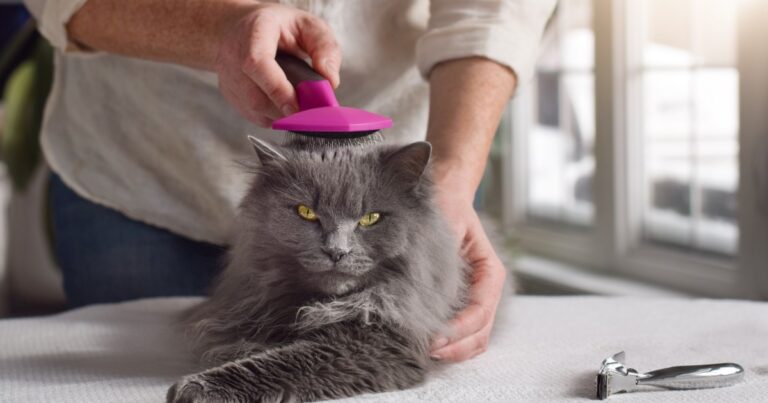
Researchers estimate cats devote roughly 30 to 50 percent of their waking hours to grooming, which works out to about 2 to 5 hours every day. There are several reasons behind all that grooming, including:
- Copying behavior learned from their mother (kittens pick up self-grooming habits early)
- Tending to sore or injured spots on their body
- Masking their scent from would-be predators, an instinctive habit
- Activating skin glands to spread natural oils through the coat
- Calming themselves or bonding with a fellow cat
- Cooling down, since evaporating saliva has a cooling effect on the skin
Shifts in how much your cat grooms can be worth paying attention to. Excessive grooming, for instance, is frequently tied to stress, and you might notice your cat licking more than normal or developing bald spots and irritated skin.
On the flip side, grooming less than usual can show up as a greasy or tangled coat, a dull appearance, an odd smell, or heavier shedding. Cats sometimes stop keeping up with grooming when it becomes uncomfortable or painful to do so, which can stem from things like dental problems, arthritis, or excess weight.
3. Watching Their Surroundings
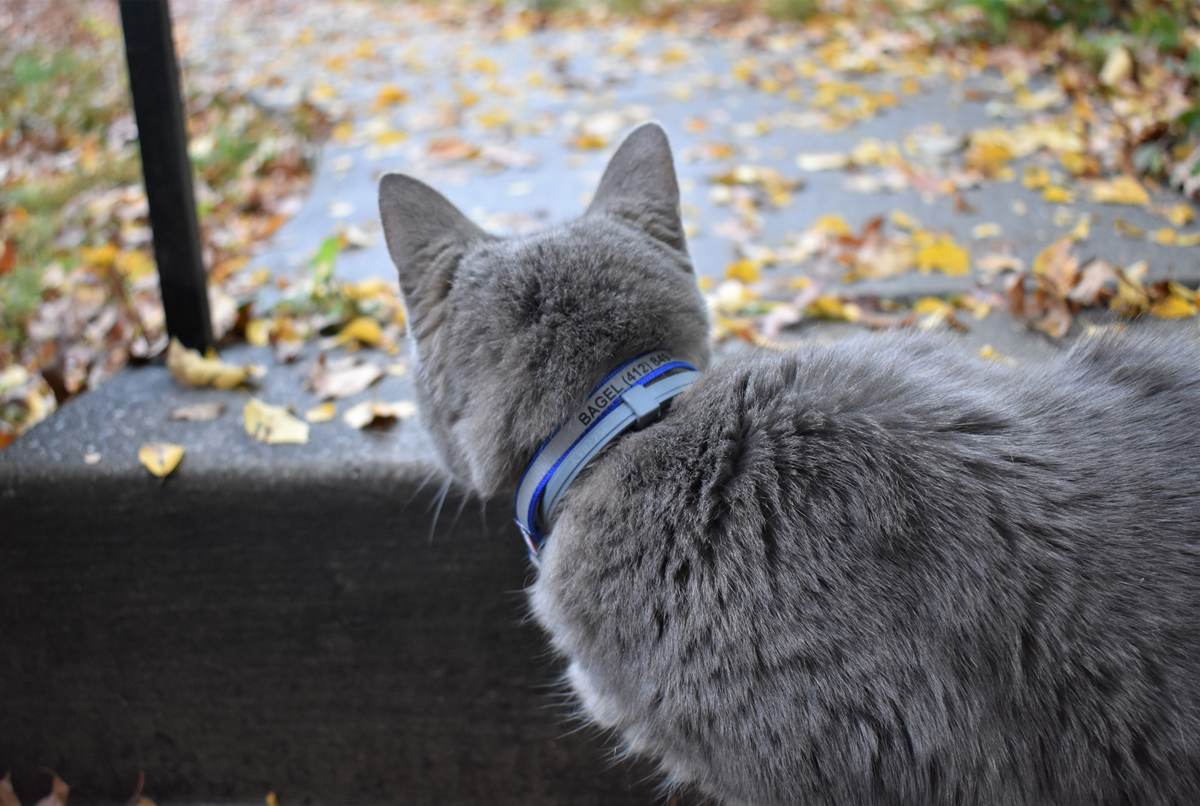
A 2009 study backed by Friskies Pet Care found that cats spend as much as 30% of their time gazing out windows. Given that cats are natural predators, it makes sense that they’d devote so much time to keeping an eye on things.
Window-watching isn’t purely about entertainment or curiosity, either. It also taps into your cat’s territorial nature and hunting instincts. (There’s an interesting piece out there on why cats make chattering noises at birds through the glass, if you want to dig deeper.)
If your cat currently has no window access, it might be time to change that. Dedicated window perches are made for exactly this reason, though even a cat tree positioned near a window or a chair pulled up nearby can work just as well.
You may be amazed at just how much time your cat ends up spending in its newfound favorite perch!
4. Roaming and Playing
When they aren’t grooming or keeping watch, plenty of cats spend a good chunk of time wandering or playing. Roaming is another instinct-driven behavior — your cat wants to check on the rest of the household and confirm its territory is undisturbed (and maybe scout out a snack along the way).
Some cats happily entertain themselves with puzzle feeders and interactive toys, while others would rather play with a favorite person or fellow cat. Energy levels differ from cat to cat, but pet owners should generally aim for two play sessions of about 10 to 15 minutes each day.
Just like with grooming, a notable shift in activity level can signal a problem developing. Unusually high energy might point to boredom, stress, or a health issue such as an overactive thyroid, while a sudden lack of interest in play or movement could suggest pain or sickness.
5. Eating
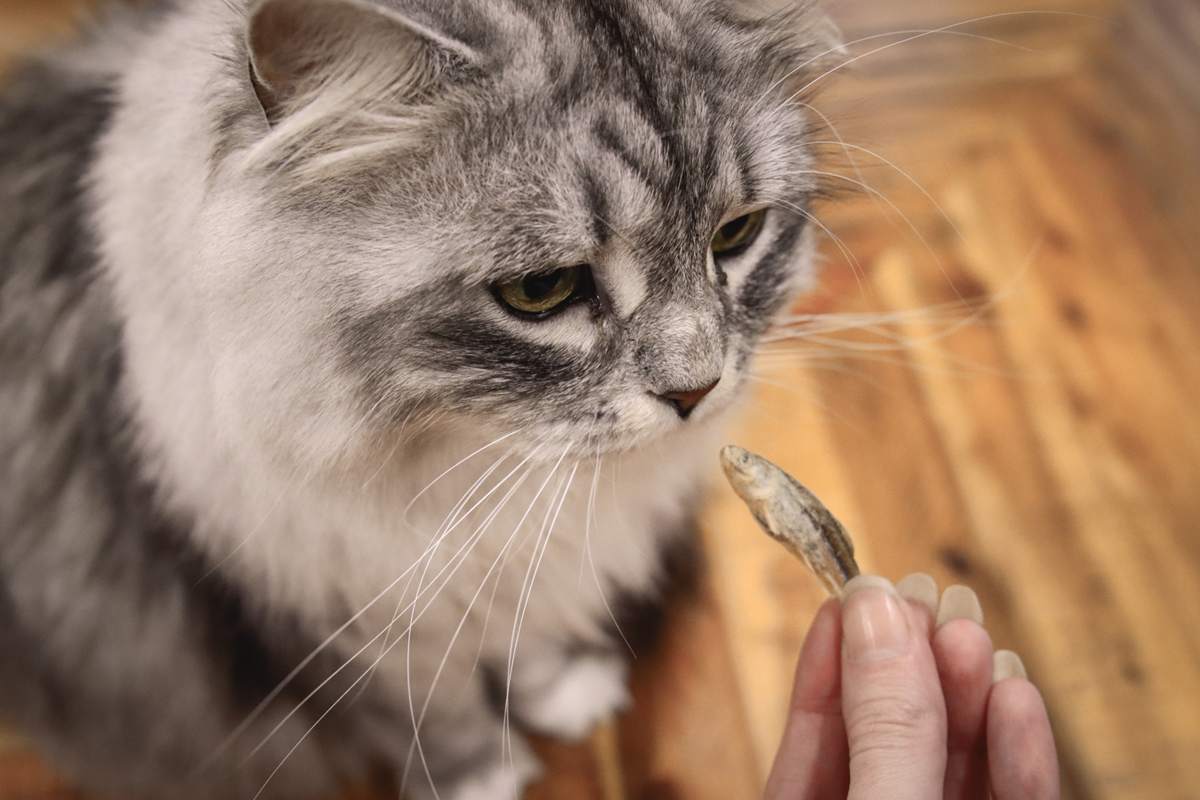
That same Friskies-backed study found cats spend around 4% of their time eating or checking out food. Cats fed on a set schedule typically spend less time on this than those with food available at all hours. (Though they might make up for it by pestering you for extra bites!)
Wild cats generally eat several small meals throughout the day, matching the size of their typical prey, like small rodents, rabbits, and birds. Domestic cats given constant access to food often fall into a similar pattern, though some don’t self-regulate well and do better on measured, scheduled meals.
Appetite changes are an important sign of stress or illness in cats. A healthy adult cat skipping a single meal usually isn’t cause for alarm, but going a full day without eating much of anything is a serious red flag. Eating too much can also cause problems, especially when it leads to unhealthy weight gain.
Keeping an Eye on Your Cat’s Habits
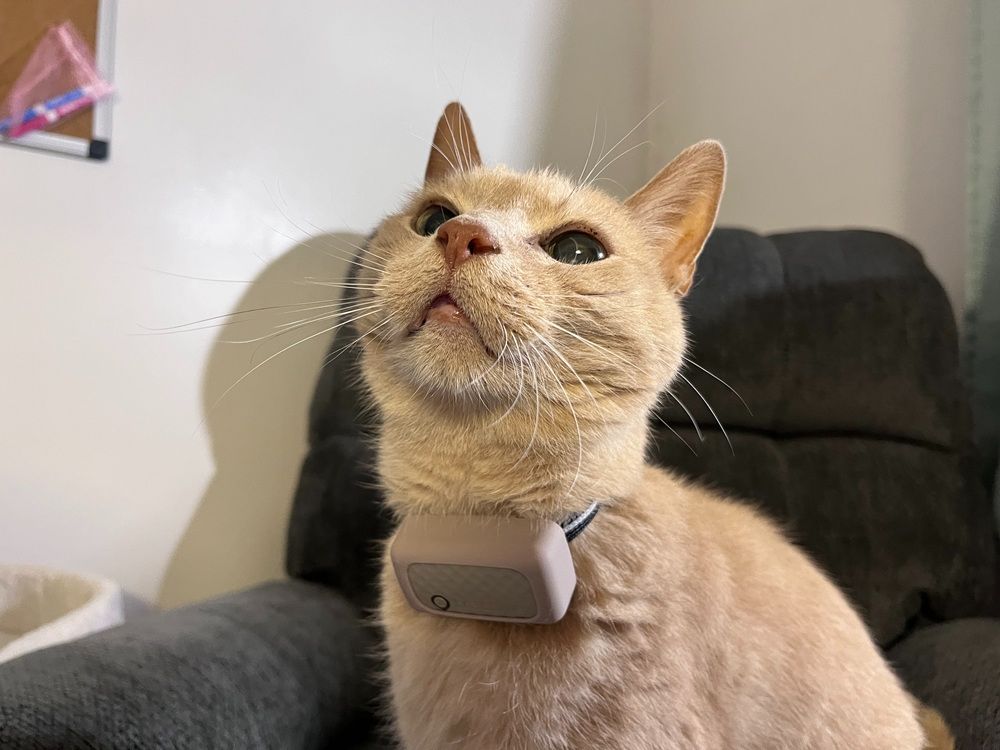
No two cats are exactly alike. While understanding general feline behavior patterns is useful, it’s just as important to learn what’s normal specifically for your own cat. Since cats instinctively try to mask pain or illness, small shifts in behavior or activity are often the earliest warning sign something is wrong.
We’re not saying you need to trail your cat around the house all day or set up a camera to watch them around the clock. Still, it’s worth staying tuned in to their habits so you’re more likely to catch it if something changes.
Here are a handful of simple ways to start keeping closer tabs on your cat’s behavior: