Watching over your dog’s wellbeing is a year-round job, but the cold temperatures, wet weather, and shorter daylight hours of winter can make things especially hard on dogs. Below are some pointers for keeping your four-legged companion comfortable and safe through the colder months.
Push Through the Rough Weather and Keep Up Daily Walks
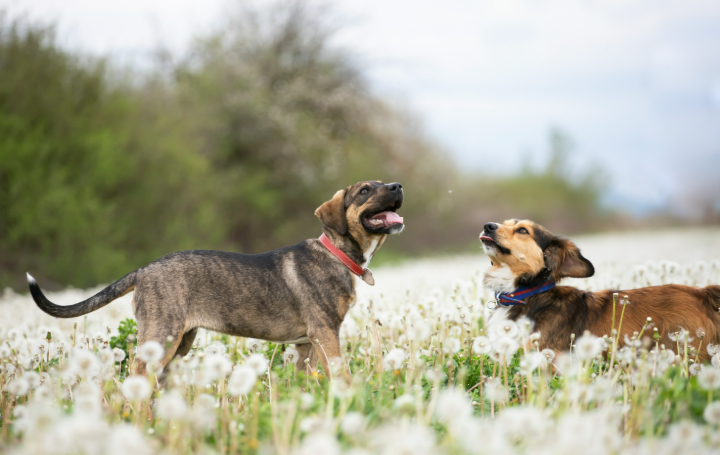
Dogs still need their daily walks, which means bundling up in warm, practical clothing and heading out despite the unpleasant conditions. The right amount of walking varies based on your dog’s age, breed, size, and overall health. Most healthy dogs can manage a 20-to-30-minute walk each day, while dogs in excellent physical condition might handle up to two hours of walking.
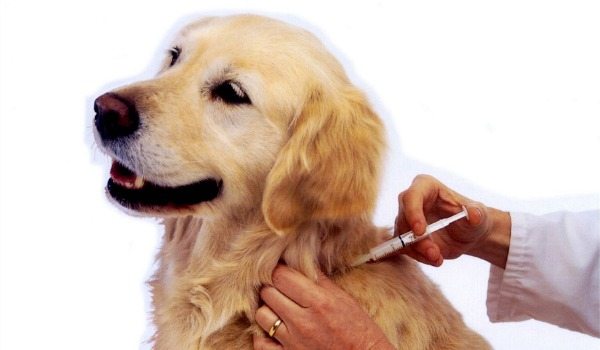
Regular walks offer real health perks — they help prevent extra weight gain, keep joints and muscles active, and generally keep your dog energetic and in good shape. Consistent walking also supports healthy socialization, helping your dog interact comfortably with people and other animals. Walking matters especially for puppy socialization, though puppies shouldn’t be walked outside until they’ve completed their final vaccination round, typically around 16 to 18 weeks of age.
Bundle Your Dog Up for Warmth
When temperatures outside turn bitter, or if your dog seems chilly even indoors, a snug, well-fitted dog coat can help keep them insulated and warm.
Keep Them Dry
A wet, muddy dog coming in from a walk can get sick fairly quickly. Towel them off thoroughly and make sure they’ve got a comfortable, padded bed to settle into afterward.
Pay Close Attention to Their Diet This Season
Food serves as fuel year-round, but winter brings its own dietary challenges. Much like people, dogs can gain weight surprisingly fast during the colder months. Since dogs typically move around less in winter, it’s worth trimming their portions slightly to avoid unwanted weight gain.
Dogs also tend to have somewhat delicate digestive systems, and some are prone to bacterial stomach upset. Because of that, choosing the right type of food matters for keeping their stomach healthy, and it’s worth researching options formulated for sensitive digestion if your dog tends to have tummy troubles.
Make Sure Recall Commands Actually Work
Losing track of your dog during a winter walk because they won’t come when called is a genuinely stressful scenario. Before the darker months set in, spend time reinforcing your dog’s recall so they reliably return when summoned. Teaching a puppy to recognize their name early on is essential, and recall training can be as simple as repeating their name in an upbeat, high-pitched tone.
It’s also worth double-checking that your dog has a microchip with your current contact details before heading out in winter, so they can be tracked down quickly if they wander off.
Keep Your Dog Visible in Low Light
With daylight hours shrinking, it becomes more important that your dog can be seen — both by you and by cars or pedestrians nearby. Consider a small clip-on light for their collar, or a bright, reflective coat that helps them stand out after dark.
Steer Clear of Frozen Water
During walks, make a deliberate effort to keep your dog away from frozen rivers, lakes, and streams. There’s no reliable way to judge how solid the ice actually is, and a dog that breaks through can suffer hypothermia, injury, or become trapped in freezing water. Keep your dog leashed near any frozen body of water if there’s a chance they’ll be tempted to jump in.
Never Leave Your Dog Alone in the Car
Dogs are known to overheat and become dangerously dehydrated in hot weather when left in a parked car, but the same risk exists in reverse during winter — a dog sitting still in a cold car for too long can become dangerously chilled.
Don’t leave your dog unattended in the car for extended periods, no matter the season. If you’re planning to run errands for an hour or so in winter, bring your dog along rather than leaving them alone in a freezing parking lot.
Keep Fur and Paw Pads Neatly Trimmed
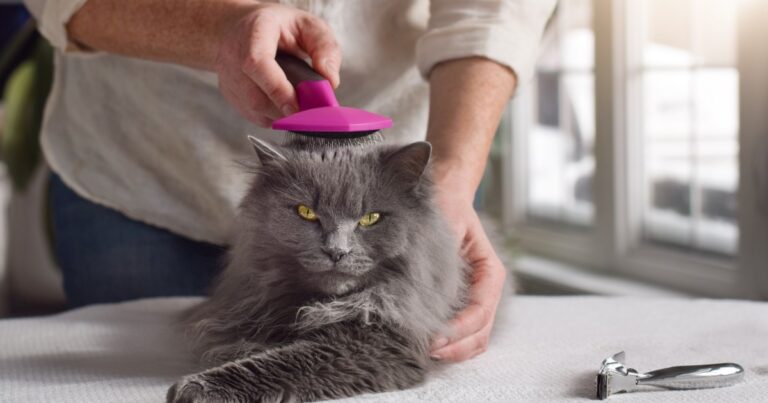
Trimming your dog’s fur and paw pads helps stop snow and ice from clumping between their toes during winter walks.
Find Ways to Keep Them Moving Indoors
Your dog might be reluctant to head outside once temperatures drop. Fortunately, there are plenty of ways to keep them active without leaving the house. Keep a variety of toys and balls on hand so they can burn off energy indoors during the winter.
Above all else, shower your dog with love and attention throughout the colder months while following these tips. Dogs are famously devoted companions who hold their owners in high regard, and they respond deeply to any affection shown to them. There’s really no better way to spend winter than curled up with your loyal companion.