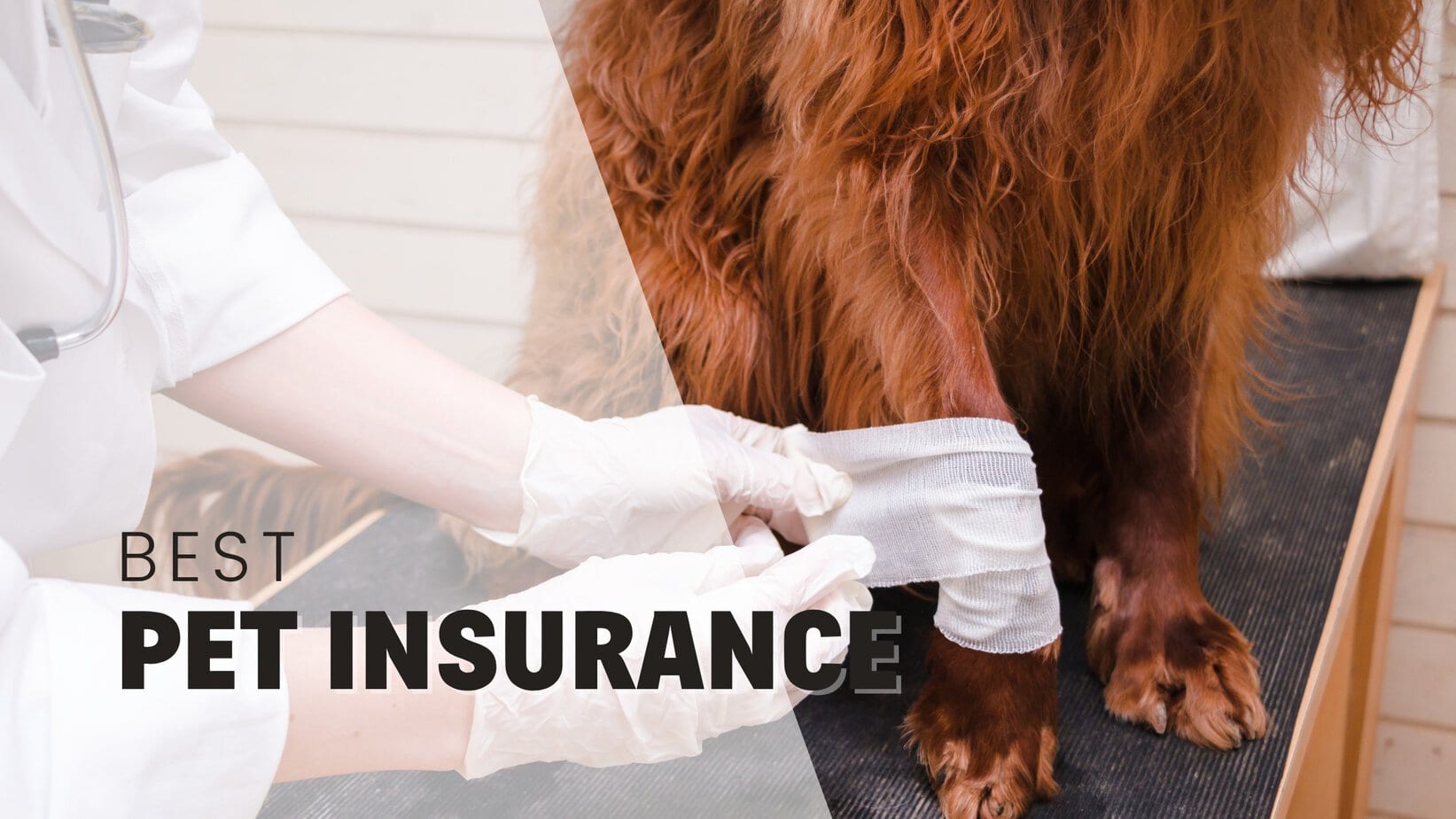
Most dog owners never give insurance a second thought until a minor issue turns into a costly one (it happens more than you’d think). A routine checkup can suddenly involve tests, treatment, and a bill you can’t stop thinking about. It doesn’t take a dramatic emergency, just an ordinary day that takes an unexpected turn, and all at once you’re weighing what your pet needs against what it will cost.
What exactly is pet insurance?
Pet insurance is a policy designed to offset veterinary bills for your dog.
You pay a monthly premium, and when your dog needs care for an illness or injury, the insurer pays back a share of the cost once your deductible has been met. Most policies are built around unplanned care such as diagnostic work, procedures, and prescriptions, and some let you add coverage for routine visits.
Why having pet insurance matters
Veterinary costs keep climbing nationwide, and even a simple appointment can turn pricey once tests or treatment enter the picture. Carrying a policy changes how you react in the moment. Rather than hesitating or weighing every dollar, you can concentrate on getting your dog the care they need without immediately stressing over the cost.
Overview of the Top Dog Insurance Options
1. Lemonade: Best all-around choice for dog owners
What stood out to me right away about Lemonade was how effortless the whole process is. There’s no lengthy paperwork, no endless email exchanges, no sitting around waiting just for a quote. I set up my policy from my couch, phone in hand, in a matter of minutes. It felt more like ordering takeout or booking a rideshare than shopping for insurance, which shows just how much the experience differs from the traditional providers.
It also holds up once you actually need it, not just when signing up. Submitting a claim is genuinely simple. Open the app, attach your documents, and you’re done. About half of all claims get resolved right away, and even the ones that aren’t instant usually come through within a day or two, which still feels fast compared to older-style insurers.
Another thing I appreciated is how customizable the policy is, rather than forcing you into a one-size-fits-all plan. Your annual limit can range from $5,000 up to $100,000, your co-insurance can be set at 70%, 80%, or 90%, and your deductible can be tailored to match your budget. That flexibility lets you weigh cost against coverage without feeling locked in, which becomes more important as your dog’s needs shift over the years.
That said, there are a handful of things worth knowing before you sign up. Waiting periods do apply — accidents are covered after two days, illnesses after fourteen, and some conditions, like orthopedic issues, take even longer. Pre-existing conditions are typically not covered, though certain ones may be reconsidered if your pet goes a full year without symptoms. These details are easy to miss when everything else feels so seamless, but they’re worth knowing ahead of time to avoid surprises later.
What’s covered under the standard policy
Add-ons you can include
2. Spot: Best for alternative and holistic treatments
Spot Pet Insurance stands out for owners drawn to alternative treatments and thorough wellness options. It offers adjustable deductibles and reimbursement rates, making it simple to land on a plan that suits your budget.
Spot is particularly notable because its base policy includes alternative therapies such as acupuncture and chiropractic care — treatments many other insurers either exclude or charge extra for. There are also two wellness plan tiers, Gold and Platinum, each offering different reimbursement levels for routine care.
Customers frequently reported frustration with rising premiums as their dogs got older. A number of Trustpilot reviews mention costs becoming harder to manage over time. Response times from customer service can also lag during busier periods.
What’s covered under the standard policy
Add-ons you can include
3. Trupanion: Best for paying vets directly
Trupanion is a long-standing name in pet insurance. It’s recognized for a no-frills approach to coverage and a payment system that sets it apart from competitors. Rather than offering several tiers, Trupanion keeps things simple with one comprehensive plan.
Its signature feature is VetDirect Pay, which lets Trupanion settle up directly with participating vets at the time of checkout. That direct payment cuts down what you pay out of pocket and skips the wait for a reimbursement check. Trupanion also provides unlimited lifetime coverage with no annual payout cap.
Customers frequently reported frustration over the absence of a wellness plan option. Trustpilot reviews often point out that base premiums run higher than average next to newer competitors. The single-plan format also leaves little room for customization compared to other insurers.
What’s covered under the standard policy
Add-ons you can include
4. Embrace: Best for keeping deductibles low
Embrace Pet Insurance offers adaptable policies with a standout perk that rewards owners for keeping their dogs healthy — its “Healthy Pet Deductible.” Each year you go without filing a claim, your annual deductible drops by $50.
Embrace also lets you choose 100% reimbursement, a rare option in this industry that can meaningfully ease the financial hit during a serious medical emergency. Exam fees and alternative therapies are also included in their standard policies.
Customers frequently reported frustration with how claims are reviewed. Trustpilot reviews mention extensive requests for medical records that slowed down reimbursements. The wellness rewards feature works more like a savings tool than genuine insurance coverage.
What’s covered under the standard policy
Add-ons you can include
5. ASPCA Pet Health Insurance: Best for wide-ranging coverage
ASPCA Pet Health Insurance offers dependable coverage with a couple of standout perks around waiting periods. Unlike many insurers, it doesn’t impose a lengthy waiting period for orthopedic conditions.
ASPCA will also cover curable pre-existing conditions once a pet has gone 180 days without symptoms — a more forgiving stance than most competitors take. A 10% multi-pet discount is available, and coverage extends to horses, making it a versatile option for animal owners of all kinds.
Customers frequently reported frustration with slower claims turnaround. Trustpilot reviews suggest reimbursements take longer here than with digital-first rivals. Premiums can also run above average for mixed-breed dogs.
What’s covered under the standard policy
Add-ons you can include
6. Pets Best: Best for wallet-friendly plans
Pets Best appeals to owners hunting for affordable coverage that doesn’t skimp on essential protection. It consistently ranks among the cheapest options for full accident and illness coverage.
One thing that sets Pets Best apart is the option to skip the standard waiting period by completing a same-day medical exam, letting coverage kick in sooner for many conditions. A 24/7 telehealth line is also included, giving owners quick access to professional guidance.
Customers frequently reported frustration with how long customer service takes to respond. Trustpilot reviews often describe long delays for claim approvals and trouble getting through to support staff. The same-day exam waiver doesn’t extend to cruciate ligament issues.
What’s covered under the standard policy
Add-ons you can include
7. Nationwide: Best for exotic pets and workplace discounts
Nationwide ranks among the largest and longest-running insurers in the country, and that scale brings a level of stability to its pet coverage. What sets it apart is coverage for exotic pets — birds, reptiles, and small mammals — alongside standard dog and cat policies.
It’s a common choice for employer-sponsored pet insurance benefits, and those workplace partnerships often unlock meaningful group discounts for staff. Nationwide’s “Whole Pet” plan also folds wellness coverage into the base policy.
Customers frequently reported confusion over how the benefit schedule works. Trustpilot reviews often mention that fixed payout amounts per condition led to smaller reimbursements than expected for costly treatments. Plans that reimburse a percentage of the bill tend to be favored by policyholders instead.
What’s covered under the standard policy
Add-ons you can include
Which dog insurance plan comes out on top in 2026?
Picking the right dog insurance comes down to weighing your budget against the coverage your pet actually needs. Long-established names like Nationwide bring reliability and niche options for exotic pets. More of the market, though, is shifting toward digital-first insurers built around speed and ease of use.
Lemonade earns our top recommendation for dog insurance. Between its AI-powered instant claims, highly adjustable policies, and focus on social good, Lemonade delivers strong value and convenience. Keeping your dog healthy shouldn’t mean draining your savings, and Lemonade helps make sure the financial support is there when you need it.
Common questions about dog insurance
How does pet insurance actually work?
Pet insurance generally runs on a reimbursement model. With a policy through a company like Lemonade, you pay the vet bill upfront, then submit a claim through their app. Once it’s approved, you get reimbursed for the eligible amount, minus your deductible and co-insurance share.
What’s included in pet insurance coverage?
A typical accident and illness plan covers diagnostics, procedures, medications, and hospital stays tied to unexpected injuries and illnesses. Most plans also cover hereditary and congenital conditions, as long as they aren’t pre-existing.
Will pre-existing conditions be covered?
Any condition your dog showed signs of before the waiting period ends counts as pre-existing and is usually excluded. A few insurers, Lemonade included, may cover a curable pre-existing condition once your dog has stayed symptom-free for at least 12 months (this varies by state).
What does dog insurance typically cost?
Cost depends on your dog’s breed, age, location, and the coverage limits you pick. The fastest way to estimate your monthly premium is to request a quote directly from a provider. Adjusting your deductible or co-insurance percentage can often bring the price down.
Am I free to choose any veterinarian?
Most pet insurance policies let you see any licensed vet in the country. Whether it’s your neighborhood clinic or an emergency specialist, providers like Lemonade will reimburse eligible treatment no matter which vet you pick.
Does it make sense to insure an older dog?
Premiums climb as dogs age, but a policy can still offer meaningful financial protection against serious illnesses like cancer or joint problems. It’s generally best to sign your dog up while they’re young and healthy so pre-existing condition issues don’t come into play.