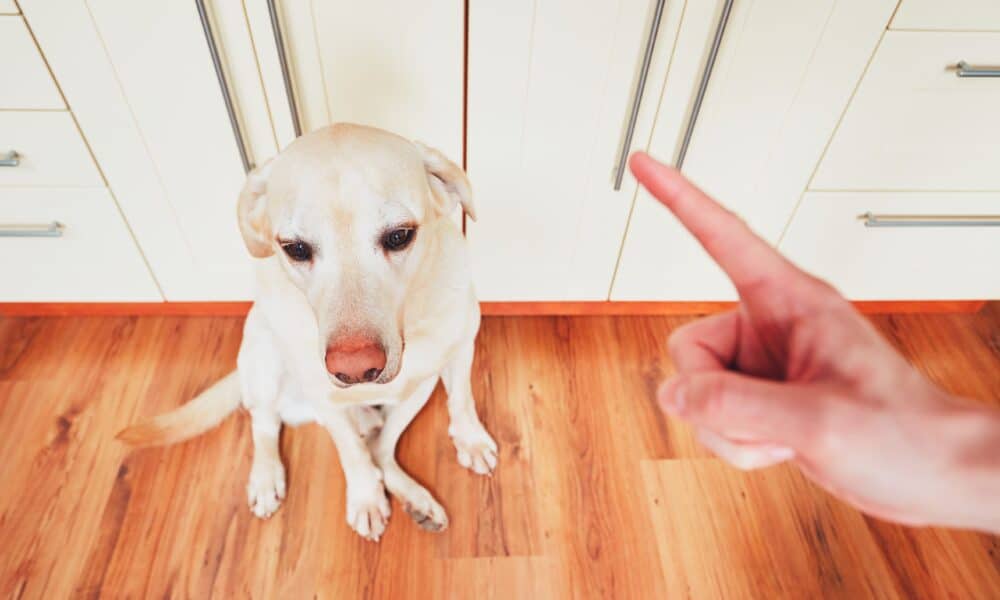
Dogs communicate in ways that don’t rely on words at all. They can’t tell us directly how they feel, but their body language and behavior make it clear when they’re feeling remorseful or apologetic.
Sometimes a dog’s curiosity gets the better of them — a chewed-up shoe here, a raided trash can there. That doesn’t mean they’re incapable of feeling bad about it.
In fact, after causing a bit of trouble, dogs frequently show behaviors that suggest they know they’ve messed up and want to smooth things over.
Whether subtle or obvious, these behaviors are essentially how our dogs express regret and try to patch things up with the humans in their lives.
Learning to read these signals when your dog is “apologizing” gives you a deeper understanding of your pet and strengthens the connection between you.
Keep reading to learn everything worth knowing about how dogs say sorry.
Do Dogs Actually Feel Guilty?
Although dogs are often called “man’s best friend,” how they behave and communicate is nothing like how humans do it.
Where we lean almost entirely on spoken language, dogs depend on body movement, vocal sounds, chemical cues like scent and pheromones, and physical touch to get their point across.
Dogs have picked up a remarkable range of behaviors over time largely because they learn through association, adjusting their actions based on how people react to them.
Over the years, this has given them a fairly sophisticated set of communication tools and behaviors that help keep the peace at home.
But is guilt really part of the equation? A study from 2009 looked closely at the so-called “guilty” look in dogs and found that it showed up more often when owners scolded their dogs than when owners behaved neutrally.
Dr. Alexandra Horowitz, who led that research, put it this way: “A better description of the so-called guilty look is that it is a response to owner cues, rather than that it shows an appreciation of a misdeed.”
Guilt is also a fairly abstract concept for a dog to grasp, and no study has shown that dogs truly understand the full implications of their mischief. It’s more accurate to say their behavior mirrors how we react to what they’ve done.
So a dog’s “apology” isn’t necessarily rooted in moral remorse. It’s better understood as a response to our reaction — an attempt to smooth things over and keep us from getting upset with them.
As dog owners, understanding this kind of body language matters. It helps both sides communicate more effectively, even without sharing a language, and makes it easier to resolve the occasional conflict.
10 Ways Dogs Show They’re Sorry
Dogs may not grasp guilt or apology the way people do, but they still make an effort to set things right with their humans. Some of these efforts are subtle, others more obvious, but each is a dog’s own way of expressing regret and seeking forgiveness.
Here are 10 signals that your dog is trying to tell you they’re sorry:
1. Lowering Their Head and Flattening Their Ears
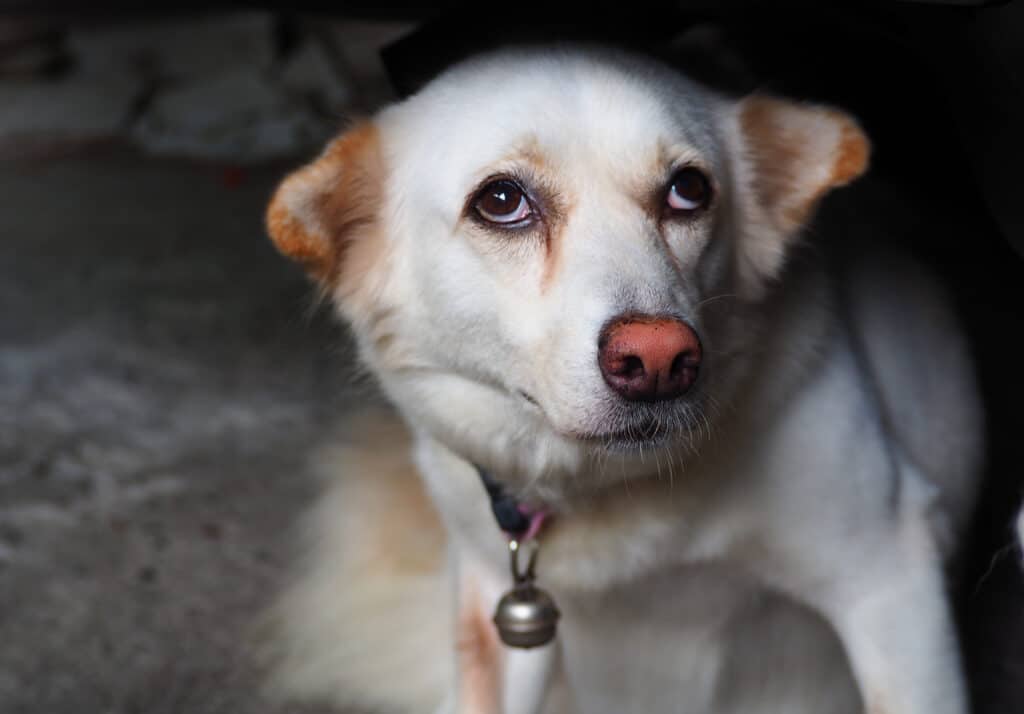
A dog attempting to apologize often lowers its head and pins its ears back. It’s tempting to read this as fear of punishment.
In reality, this posture signals that the dog recognizes what it did and is showing submission to its owner. Displaying submission and appeasement is the dog’s way of easing tension and avoiding a confrontation.
2. Steering Clear of You
Another form a dog’s apology can take is simply avoiding you. When a dog picks up on your frustration, it might dodge eye contact, retreat to a space it considers safe, like a crate, or tuck itself into a corner.
This can look like guilt, but it’s really about the dog recognizing your negative reaction and pulling back from the tense situation in an attempt to calm things down.
Essentially, it’s the dog’s way of saying, “I know I messed up, and I think we both need a little space to cool off.”
3. Tucking the Tail and Giving You Puppy Eyes
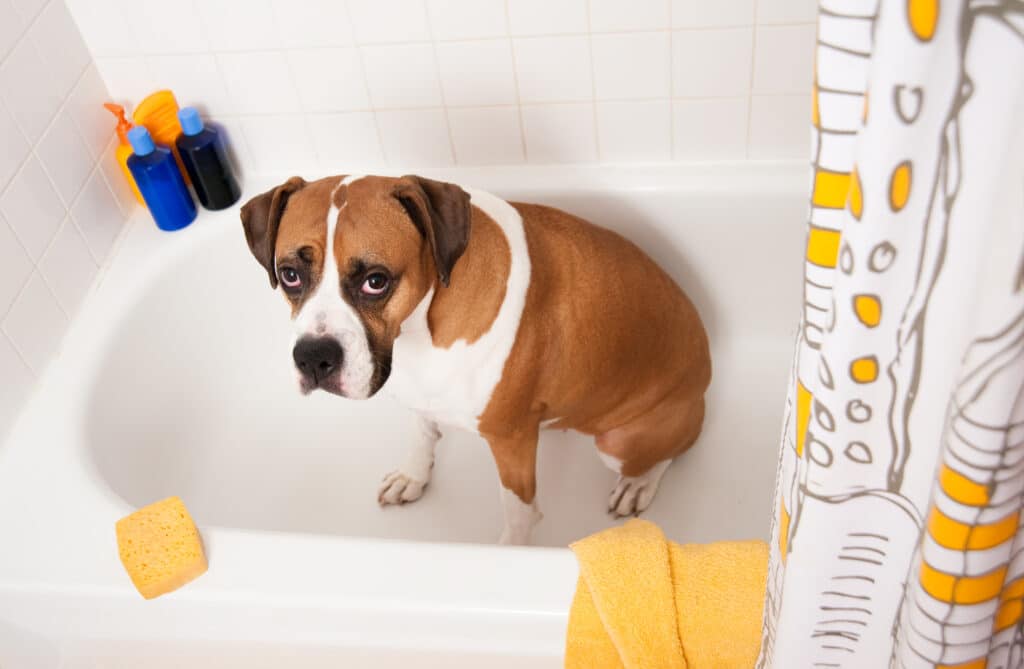
A dog’s tail says a lot about how it’s feeling. A tail tucked between the legs usually points to fear or anxiety, though it can also signal submission around another dog or a person.
So if you scold your dog and its tail goes down, that’s another version of “I know I did something wrong.”
Along with tucking their tail, dogs also break out the classic “puppy dog eyes” to communicate a range of emotions, regret being one of them.
Honestly, this might be a dog’s best move when trying to apologize — it’s hard to stay upset at a face that adorable.
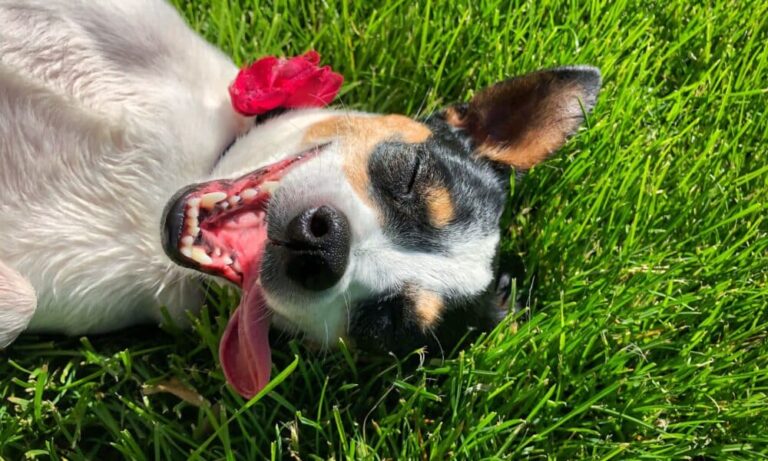
4. Rolling Over to Show Their Belly
When you scold your dog for getting into mischief and it responds by rolling onto its back and exposing its stomach, that’s another apology gesture.
We usually think of an exposed belly as a sign of trust, but in this context it can mean something different — fear, a desire to avoid conflict, or simply wanting to steer clear of trouble.
5. Licking
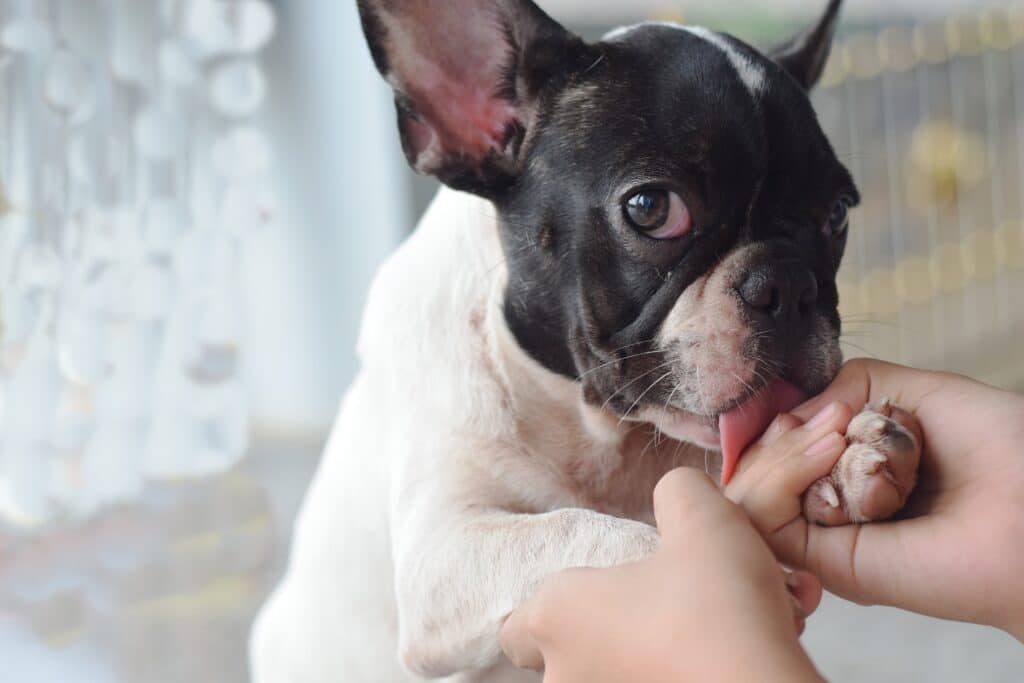
A dog trying to apologize will often lick its own fur or nose, or turn its attention to your face, hands, or feet. After a mistake, this self-directed licking reflects nervousness and awareness that something went wrong.
When directed at you, though, it’s actually a small gesture meant to soothe you and ease the tension. Research has shown that licking triggers a release of endorphins in a dog’s brain, which helps both the dog and the person feel calmer.
It’s also a way for your dog to repair the bond between you, show affection, and reaffirm loyalty even after a slip-up.
6. Staying Close By
Along with licking, dogs also apologize by nuzzling in or staying physically close to you.
Once they realize they’ve been naughty, they’ll often come over and press their whole body against you, the way a child might seek comfort after being scolded.
7. Placing a Paw on You
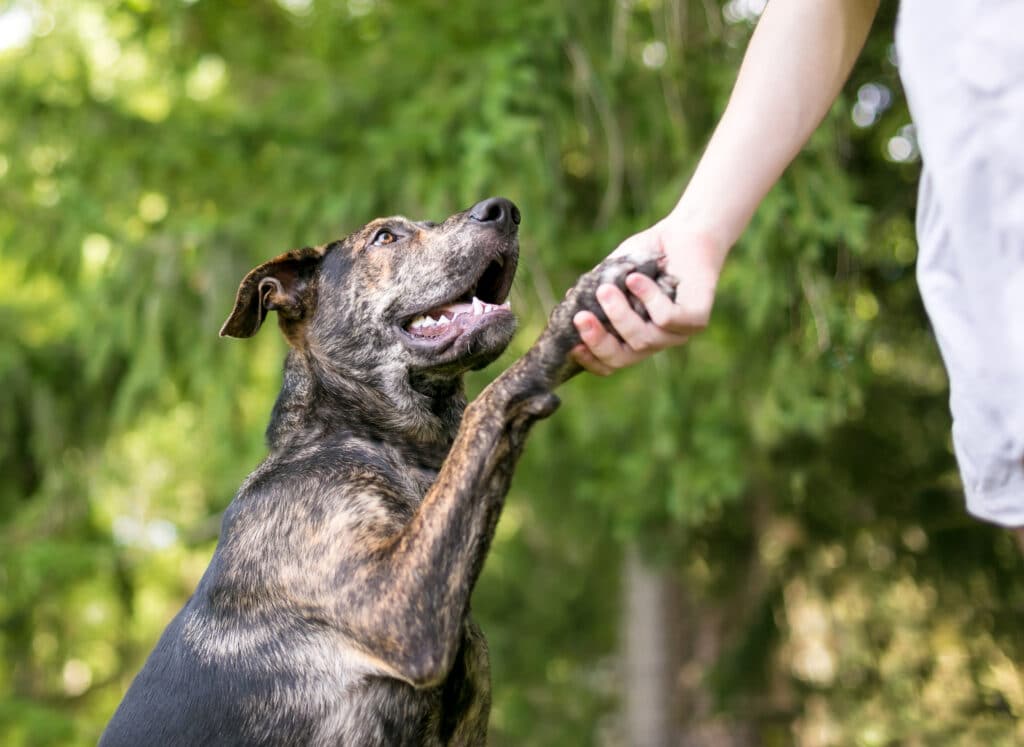
Another apology gesture is a paw placed gently on you. Like puppy dog eyes, this move tends to get an immediate response from us, since it’s nearly impossible to resist.
By resting a paw on your arm, lap, or leg, your dog is acknowledging its mistake while also seeking reassurance that you still love it despite what happened.
8. Whining
Have you ever noticed your dog letting out a soft whine during or after being scolded? That’s another apology behavior.
Whining is a submissive gesture rooted in your dog’s ancestry — specifically, in wolves.
It ties back to pack dynamics, where a wolf that broke the rules risked being pushed out of the group. Whining, lowering the head, and tucking the tail were all ways of signaling submission to avoid that outcome.
9. Bringing You Their Favorite Toy
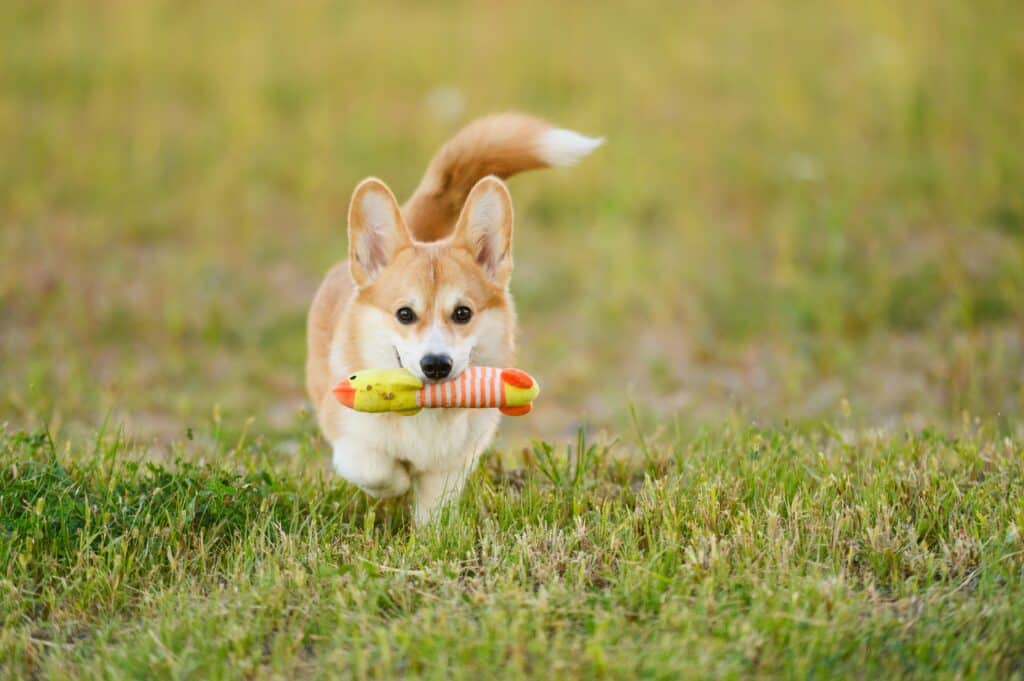
Some dogs try to make amends through play, offering up a favorite toy as a peace offering after causing trouble.
This one looks a little different from the others, but the idea is the same: “Here’s something I treasure, and I’m handing it over as my way of saying sorry.”
Research has also found that adult dogs use play to strengthen the emotional bond with their humans, a behavior thought to have developed as dogs became domesticated.
10. Yawning
You might catch a dog yawning right when it’s being scolded. That, too, can be a form of apology.
Yawning can mean several things in dogs, but in the context of a scolding, it usually points to stress or an attempt to defuse a tense moment.
When yawning shows up as part of an apology, it’s typically paired with other submissive cues like a tucked tail and flattened ears.
How to Respond When Your Dog Apologizes
How you respond to your dog’s apology matters a great deal for your relationship. Because dogs process guilt and remorse so differently from us, it’s worth responding with patience and warmth rather than punishment.
When you notice any of these behaviors, acknowledge them — but do it in a calm, gentle tone so your dog feels safe and reassured.
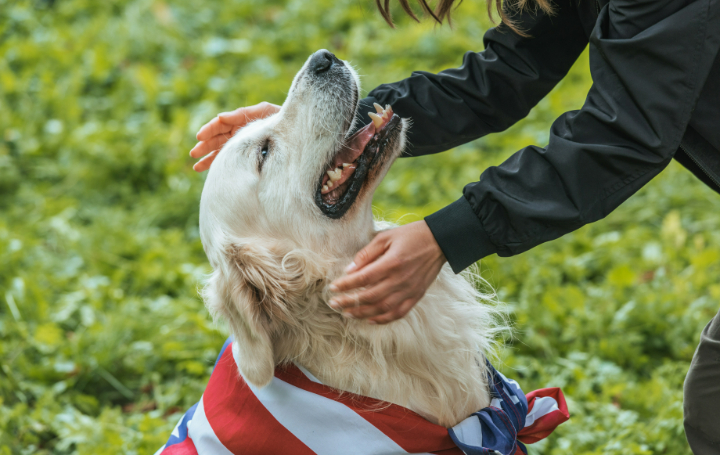
Gentle physical contact, like a pet or a kiss on the head, can also reinforce that your affection for them hasn’t changed.
And as mentioned, steer clear of yelling or punishment wherever possible. Raising your voice tends to leave dogs feeling frightened and on edge.
Final Thoughts
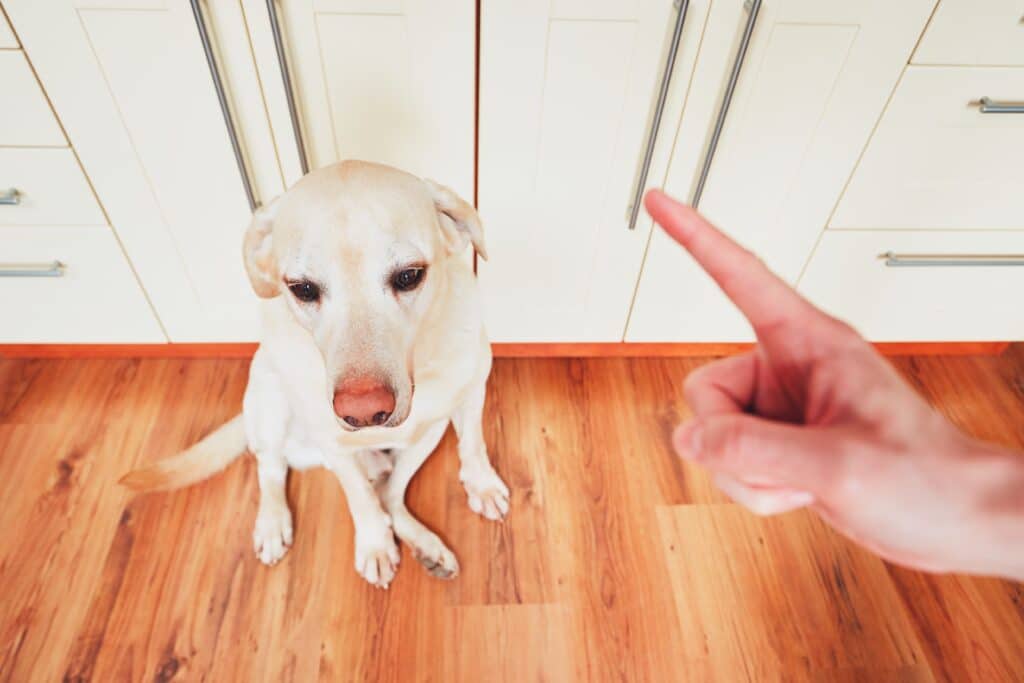
A dog’s body language really does say more than words ever could. Dogs express their thoughts and intentions through an entire vocabulary of behaviors and physical cues.
Paying close attention to these signals will help you understand your dog more deeply, particularly in moments when they’re trying to apologize.
It’s worth remembering, too, that every dog is different, and each one has its own particular style of saying sorry.
How does your dog apologize to you?