
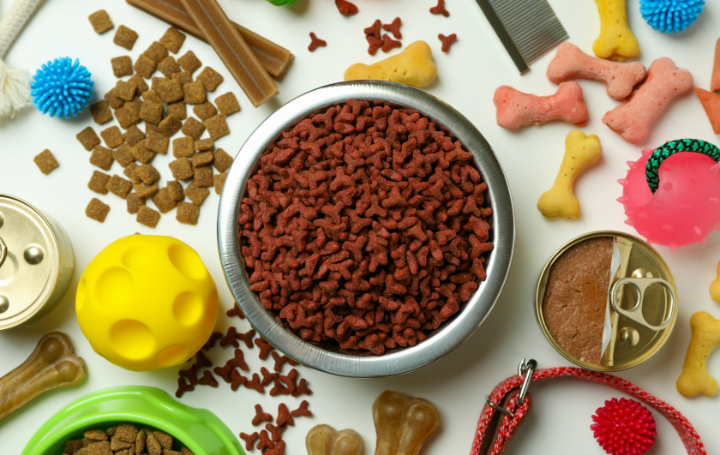
Picking out the right dog food can feel overwhelming given how many choices line the shelves. No need to stress, though — we’re going to walk you through it in a way that’s simple and even a little enjoyable. Your dog isn’t just a pet; they’re part of the family, and naturally you want to give them the best possible diet. Let’s work through this guide to picking dog food in a way that’s straightforward, easy to follow, and centered on what your particular dog actually needs.
1. Factor In Your Dog’s Age and Life Stage
Dogs, much like people, have nutritional needs that shift throughout their lives. What works for a puppy won’t be right for a senior dog. Here’s a quick breakdown:
Puppies
Puppies grow at a rapid pace, so they need meals packed with protein and fat to fuel that development. Check the label for food marketed specifically for puppies — these formulas pack more calories and include nutrients like DHA that support developing brains and eyes.
Adult Dogs
Once your dog reaches full maturity (typically somewhere between 1 and 2 years old), they need a well-rounded diet with an appropriate mix of protein, fat, and fiber to sustain their energy and health. The goal is balance, matched to how active your particular dog happens to be.
Senior Dogs
Aging dogs generally do better with food that’s gentler on digestion and lower in fat. If your dog is getting on in years, look for formulas containing joint-friendly additions like glucosamine and chondroitin to give their joints a bit of extra support.
2. Take Breed and Size Into Account
Nutritional needs vary quite a bit from breed to breed. Small and large dogs have distinctly different requirements, and even dogs of the same breed can have individual needs — maybe they’re unusually active, allergy-prone, or need help managing their weight.
Small Breeds
Smaller dogs tend to burn through energy faster, so their food needs to pack more calories per serving. Look for kibble sized down and easy for a small mouth to chew.
Large Breeds
Bigger dogs need food that can support their larger frames. Their size puts extra stress on bones and joints, so they typically need more joint-related support. Large-breed formulas usually run lower in calories to help prevent excess weight gain, and often include glucosamine and similar nutrients for joint health.
3. Prioritize High-Quality Ingredients
Scan the ingredient list on any bag of dog food and you’ll likely spot plenty of unfamiliar names. Here’s the key thing to know: the ingredients listed first matter most. That’s where you want to find quality protein sources, such as:
Real Meat (Chicken, Beef, Lamb, Fish, and so on): Solid protein sources matter for building and maintaining muscle, so look for actual meat listed among the first few ingredients.
Animal-Based Protein Meals (such as Chicken Meal or Salmon Meal): These are concentrated protein sources that deliver a lot of nutritional value.
Vegetables and Fruits: Ingredients like sweet potatoes, carrots, peas, blueberries, and apples contribute fiber, vitamins, and minerals.
Healthy Fats (such as Salmon Oil, Chicken Fat, or Flaxseed): These supply essential fatty acids like omega-3s and omega-6s, which support healthy skin, coat, and brain function.
Steer clear of foods loaded with fillers like corn and soy, or vague terms like “meat by-products,” which often signal lower-quality ingredients. Always aim for clearly labeled, high-quality protein and fat sources.
4. Match Food to Your Dog’s Activity Level
Dogs burn calories at different rates depending on how active they are, just like people. An energetic dog that loves to run, hike, and play needs food that can keep pace with all that activity.
High-Energy Dogs
Choose formulas with higher calorie and protein content to fuel an active lifestyle. These typically include more fat and nutrients geared toward supporting muscle.
Less Active Dogs
A more laid-back dog may need fewer calories overall. Weight-management or senior formulas tend to work well here, since they’re lower in fat while still delivering solid nutrition.
5. Watch for Special Health Considerations
Certain dogs deal with health issues that call for extra attention. Whether it’s food sensitivities, allergies, or a need for extra joint or digestive support, there’s a formula out there to help.
Food Sensitivities and Allergies
If your dog has a touchy stomach or tends toward allergic reactions, look for limited-ingredient diets or food formulated specifically for sensitivities. Steer clear of common triggers like grain, beef, chicken, or dairy if you know they cause problems for your dog.
Digestive Health
Probiotics and prebiotics support healthy digestion. Seek out foods containing ingredients like chicory root or added probiotics, particularly if your dog’s stomach tends to act up.
Joint Support
As mentioned, senior dogs and larger breeds often benefit from added joint care. Look for glucosamine and chondroitin, which help maintain healthy cartilage and joints.
6. Wet Food or Dry Food: Which Wins?
You’ll also need to decide between dry kibble, wet food, or some mix of the two. There’s no universal right answer — it comes down to your dog’s individual preferences and needs.
Dry Dog Food (Kibble)
Kibble is convenient, simple to store, and beneficial for dental health, since it helps scrape plaque from your dog’s teeth and lowers the risk of dental issues. It also tends to cost less than wet food.
Wet Dog Food (Canned)
Wet food carries more moisture, which benefits dogs who don’t drink much water on their own. It also tends to appeal to picky eaters thanks to its stronger aroma and flavor. On the downside, it’s often pricier and needs refrigeration after opening.
7. Treats Count Too
Treats play a role in your dog’s overall diet, but they should make up no more than 10% of daily calorie intake. Pick treats that complement your dog’s dietary requirements — some are designed to support dental health, while others deliver extra antioxidants or omega fatty acids.
8. Keep Tabs on Your Dog’s Weight and Health
After settling on the right food, don’t stop paying attention to your dog’s overall health and weight. Regular veterinary visits matter, and you’ll want to adjust portion sizes as your dog’s activity level, age, and health status change.
If your dog starts putting on weight, consider trimming portions or switching to a weight-management formula. If they seem low on energy or develop digestive trouble, it may be worth trying a different food or checking in with your veterinarian for guidance.
In Closing: A Well-Fed Dog Is a Happy Dog
Finding the right dog food ultimately comes down to matching food to your particular dog’s needs. Whether you’re caring for a bouncy puppy, a senior dog with specific health requirements, or a large breed that needs extra joint support, there’s a suitable option out there. Pay attention to ingredients, factor in age and size, and keep tabs on their health along the way. With the right diet, your dog will stay happy, healthy, and ready for whatever adventures come next!
So here’s to our furry companions — they deserve nothing but the best, and now you’re equipped with the knowledge to pick food that will keep their tails wagging!