
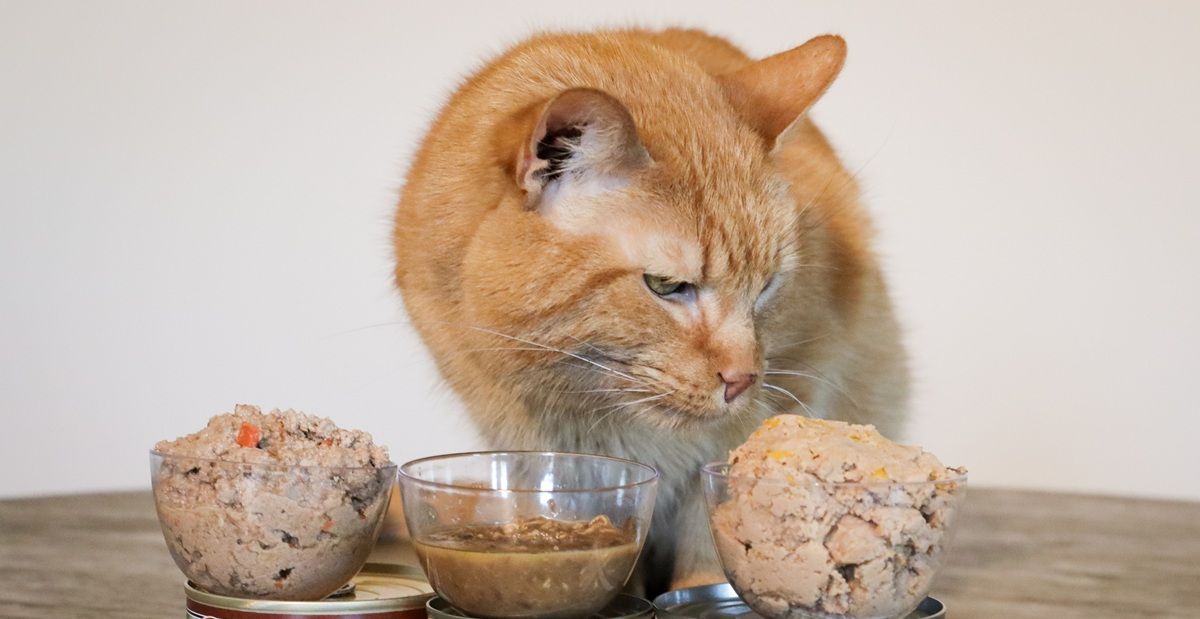
If you’ve ever watched your cat abandon a meal mid-bite despite clearly being hungry, only to wander back and finish it a few minutes later, you’re probably not the only one confused by that on-again, off-again appetite. So what’s actually going on?
A new study out of Japan suggests hunger might not be what’s driving your cat to walk away from food. Instead, your cat could simply be tired of a meal that smells exactly the same every time — and the explanation seems to trace back to their sense of smell.
A team at Iwate University in Japan, publishing their findings in the journal Physiology & Behavior, studied 12 intact domestic cats and discovered that a full stomach wasn’t the only thing driving cats to stop eating. Masao Miyazaki, an animal behavior researcher on the team, noted that even after being fasted for 16 hours, many of the cats still didn’t finish the entire test portion — 20 grams of dry food in the initial trial — in one sitting.
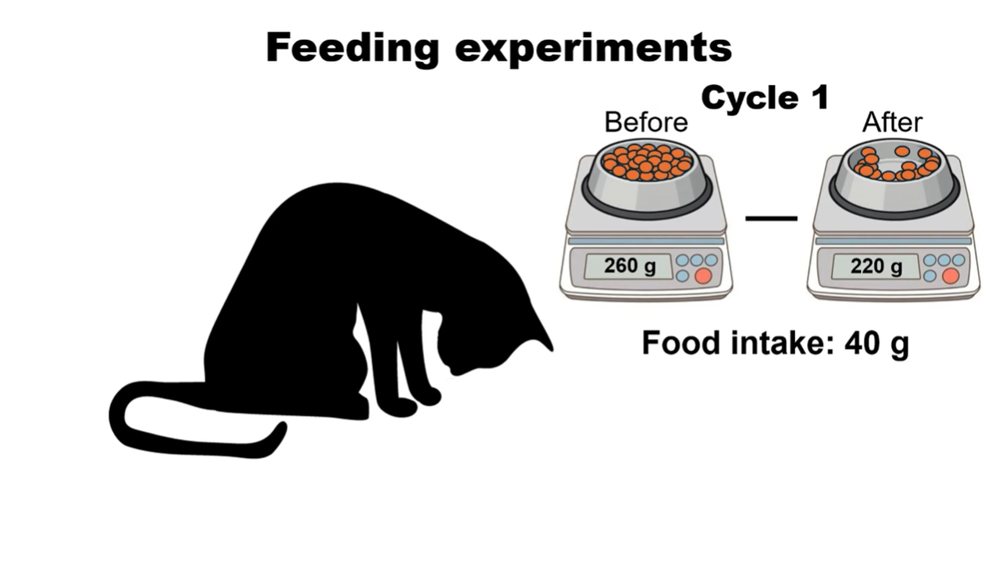
Image Credit: sciencealert
According to Miyazaki, the loss of interest that briefly hits some cats during a meal comes down to the smell of the food, not its flavor or whether the cat’s stomach is full.
“When cats smell the same food again and again, that smell may become less exciting to them. This is called olfactory habituation,” he says.
Miyazaki compares it to wearing perfume. Step into a room with a strong scent and you’ll notice it right away, but stick around and your nose eventually tunes it out, making the smell seem to fade.
“For cats, the same thing may happen with food odor,” he says. “The food is still edible, and the cat may still be hungry, but the smell no longer gives the same strong ‘let’s eat’ signal.”
Throughout the study, cats given the identical food over and over gradually ate smaller amounts. But once researchers swapped in different food — cycling through six distinct options — the cats’ eating picked back up again, according to Miyazaki.
“What was especially interesting was that this happened even when the new food was not their favorite food,” he says. “This suggests that ‘newness’ itself was important.”
The researchers structured the trial around repeating 10-minute feeding windows separated by rest periods. They used a specially designed bowl that let cats continue eating the same food as before, while occasionally releasing a different food’s scent from a hidden compartment beneath the surface. That scent rising up seemed to reignite the cats’ appetite even though the food itself hadn’t changed at all — it came down entirely to smell.
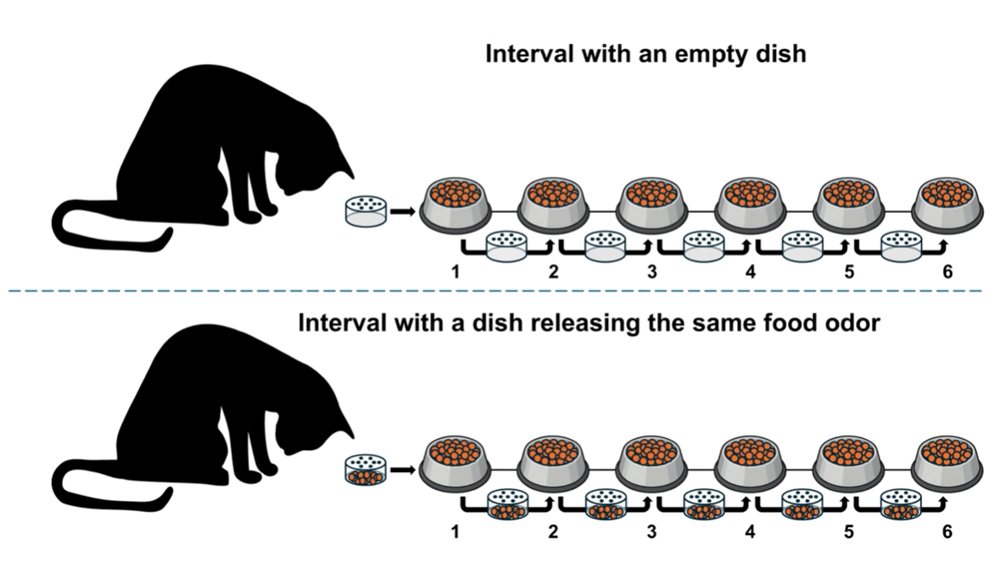
Image Credit: sciencealert
“The cats could not eat the food underneath; they could only smell it,” Miyazaki says. “Even so, the new smell helped them start eating again. So, the sense of smell can act almost like a ‘reset button’ for feeding motivation.”
Miyazaki himself was struck by just how powerful the novelty of a new scent turned out to be.
“I expected smell to matter, because cats rely strongly on odor when judging food,” he says. “But I was surprised that even the odor of a different food, without changing the actual food they could eat, was enough to increase eating.”
Another notable finding was that cats sometimes ate more when given a food with an unfamiliar scent, even if that particular food wasn’t one of their favorites.
“This suggests that cats are very sensitive not only to whether food tastes good, but also to whether the smell is familiar or novel,” Miyazaki says.
So what should cat owners take away from all this? Miyazaki is careful to note that he isn’t recommending owners constantly rotate their cat’s food, since abrupt diet switches can upset digestion or turn a cat into a picky eater. Still, the research points to how central smell is to a cat’s appetite, particularly when that appetite seems to be flagging.
Owners of cats on a prescription diet — a therapeutic food that has to be fed consistently every day for a medical condition — may run into a real dilemma here. The diet needs to stay the same, yet the research suggests that smelling the identical food repeatedly can slowly sap a cat’s drive to eat, even while they’re still hungry.
One workaround, borrowed straight from the Japanese research team’s method, is to alter the smell around the food without changing the actual diet itself. Miyazaki suggests a two-tiered feeding bowl that lets a cat catch the scent of a different food while still eating the one they’re supposed to. Alternatively, owners can add a safe, aroma-only topper that makes the meal smell fresh without meaningfully altering its nutritional makeup.
“The simple message is: For cats, eating is not controlled only by an empty stomach,” Miyazaki says. “The nose is also very important. If the same food smell becomes too familiar, the cat may lose interest. But by carefully managing food odor, we may be able to make the same necessary diet feel more attractive again.”
This isn’t the only recent Japanese study looking into feline sense of smell. Another one we covered back in February looked at how cats use scent to recognize their own people, finding that cats may be able to tell us apart from strangers by smell alone, even without seeing us or hearing our voice.
To learn more about just how sharp your cat’s sense of smell really is, check out our article covering that topic in depth.