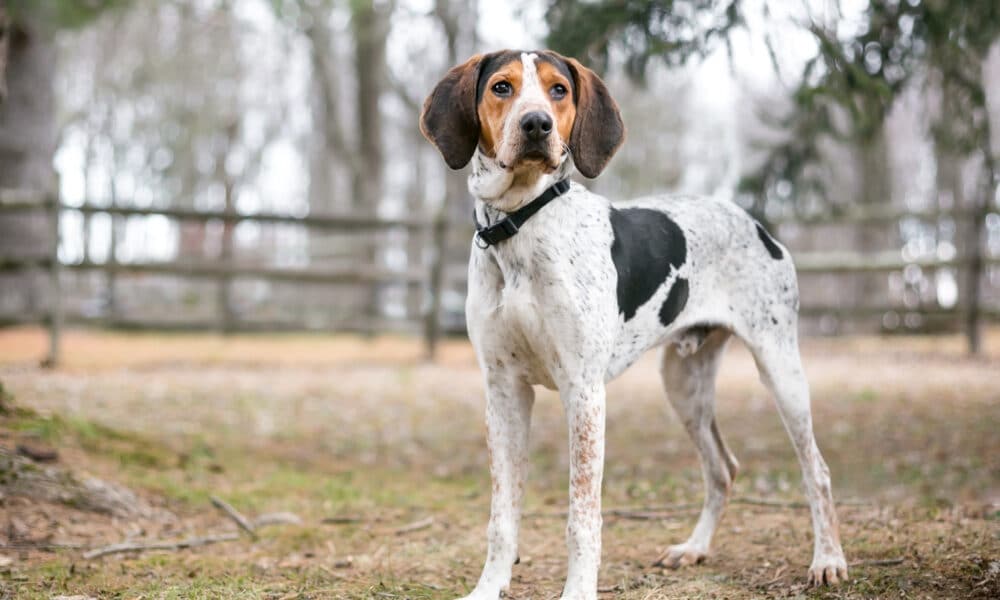
Clever, fearless, tenacious, and a born hunter in every sense — it’s no accident the Treeing Walker Coonhound has earned the nickname “The People’s Choice.”
This medium-sized, powerfully built breed traces its origins to the United States.
Here’s a closer look at this sharp, good-humored hunting breed.
Overview
The Treeing Walker Coonhound is one of six recognized Coonhound breeds within the hound group.
Its lineage traces back to English and American Foxhounds, with the breed taking shape in America during the mid-1700s, after a hound named “Tennessee Lead” — reportedly stolen — was bred with a Walker Foxhound.
The name comes from the breed’s original job: tracking raccoons and driving them up trees. But don’t let “walker” mislead you into thinking these are slow-moving dogs!
Treeing Walker Coonhounds stand out for outstanding hunting ability, built on a remarkable sense of smell, quick speed, and impressive endurance.
Raccoons are their main target, but they’re also put to work tracking deer, bears, bobcats, and cougars.
These dogs are quite talkative, using a range of vocalizations to communicate while hunting, and their unique bay lets an owner recognize them even from a distance.
They’re often called “The People’s Choice” among coonhound breeds thanks to their strategic hunting approach — they’ll drop an older scent trail for a fresher one, which tends to lead to more successful hunts.
Their coat is smooth and fine, generally appearing in tri-color or bi-color patterns. While some Walker dogs show tan-and-white coloring, they’re never described as “red,” which helps tell them apart from the Redbone Coonhound.
Size
Male and female Treeing Walker Coonhounds typically measure 20 to 27 inches at the shoulder and weigh between 50 and 70 pounds.
Personality
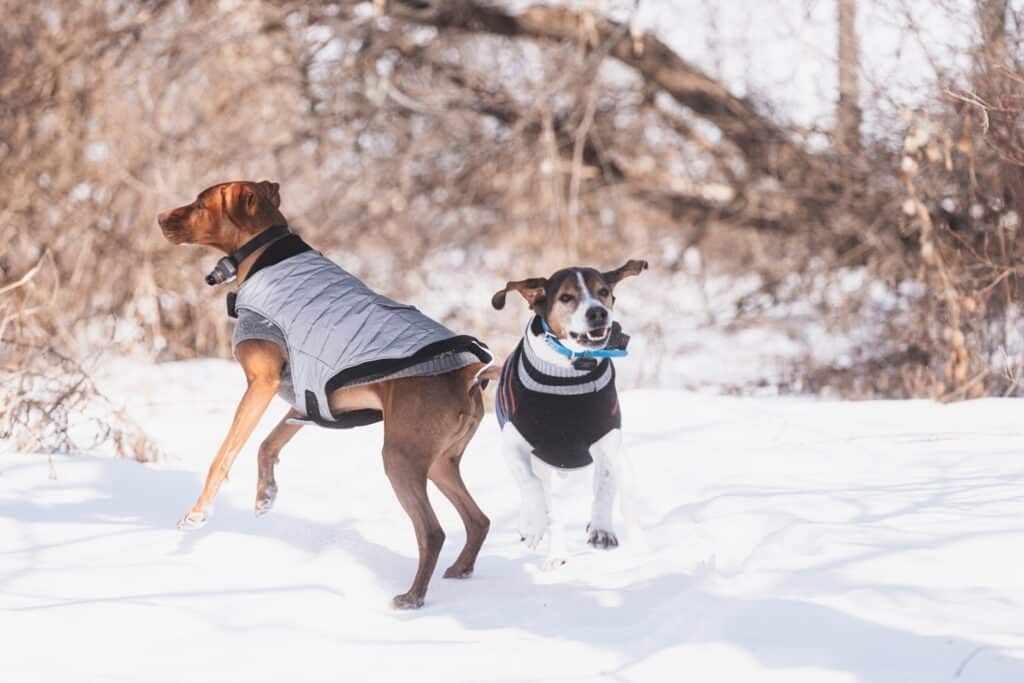
Bred primarily as a working and hunting dog, this breed can also make a wonderful companion.
Treeing Walker Coonhounds are generally affectionate and eager to please their owners. They tend to be good with kids and form solid bonds with other dogs.
That said, early socialization is strongly recommended to help them stay comfortable around people and in different settings.
Known for a strong work ethic and relentless drive, these dogs treat work more like play or sport than a chore. They flourish with steady, consistent attention.
Without enough mental and physical engagement, these energetic hounds can become tense or high-strung, so they’re best suited to active or working households.
Despite their independent streak, Treeing Walkers are intelligent, capable, and self-assured, making them fairly easy to train since they pick things up quickly by example.
Their adaptability as hunters is part of what makes the breed so impressive — they perform well as part of a pack, but they’re equally capable hunting solo.
Given their remarkable speed, treeing instincts, and knack for quickly locating game, many consider Walker dogs among the top performers in coonhound field trials.
Coat Care
Treeing Walker Coonhounds are fairly low-maintenance in terms of coat care, since they only shed moderately.
An occasional brushing of their shiny coat is generally all the grooming they need, and baths are only necessary when they actually get dirty.
It’s also a good idea to check their ears regularly to help prevent infections.
Health
This is a generally sturdy breed, with an average lifespan of 12 to 13 years.
That said, hip dysplasia has been diagnosed in some individuals, and since raccoons can fight back, these dogs can occasionally sustain injuries while hunting.
Ideal Living Situation
Treeing Walker Coonhounds don’t do well in apartment settings — they’re far too restless to spend their days lounging around a condo or suburban house.
Warm, sunny climates suit this breed well. Because these scenthounds carry so much energy, regular vigorous exercise is essential to help them stay calm and even-tempered.
Daily long walks or jogs are strongly recommended to keep this breed from turning destructive out of pent-up energy.