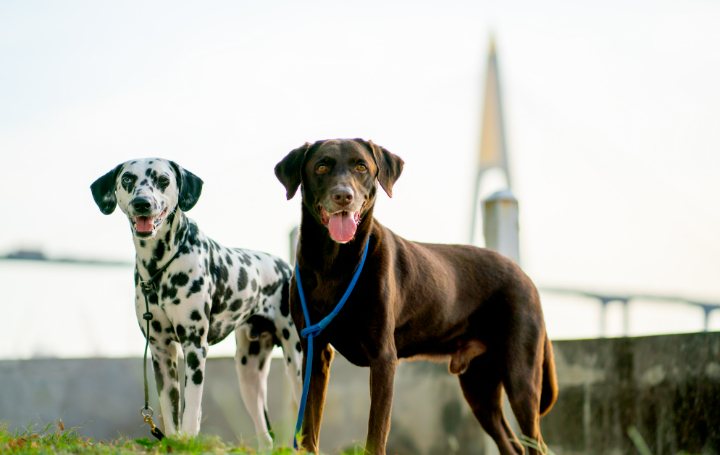
What image pops into your head when someone mentions a therapy dog? Perhaps it’s a gentle golden retriever leaning against a hospital patient, or an easygoing labradoodle sitting calmly beside someone going through a hard time. Therapy dogs have a reputation for offering emotional comfort, reassurance, and companionship. What you might not realize, though, is that not every breed is cut out for this kind of work. Dogs, much like people, come with their own distinct personalities, temperaments, and energy levels — and some breeds are naturally better suited to therapy work than others.
What Qualities Define a Great Therapy Dog?
Before diving into specific breeds, it helps to understand what actually makes a dog good at therapy work. Therapy dogs are trained to offer emotional comfort in settings like hospitals, care facilities, schools, and even airports. Unlike service dogs, which are trained to assist with particular disabilities, therapy dogs exist to ease stress and boost overall wellbeing through their presence.
Here are some of the key qualities that help a dog succeed in this kind of work:
An even temperament: Staying calm and relaxed is crucial. Therapy dogs need patience and shouldn’t spook easily.
Friendliness toward others: Since they’ll encounter a wide variety of people and animals, therapy dogs need to be naturally sociable.
Solid manners: They should be well-behaved and composed no matter the setting.
Emotional awareness: The strongest therapy dogs pick up on when someone needs comfort and respond with genuine care.
Flexibility: Therapy dogs regularly face new environments, so comfort with change and unfamiliar situations matters a lot.
With those traits in mind, here’s a look at some of the breeds that tend to thrive in therapy work.
1. Golden Retriever
Golden Retrievers rank among the most popular therapy dog breeds, and it’s easy to see why. Their warm, friendly nature makes them wonderful companions for people who need emotional support. Naturally patient and affectionate, they connect easily with all kinds of people.
They’re also remarkably easy to train. Their eagerness to please makes them highly responsive during therapy training. Whether comforting a child, visiting a hospital ward, or keeping an older adult company, Golden Retrievers shine in nearly every therapy setting.
Fun Fact: Thanks to their intelligence and trainability, Golden Retrievers are frequently used as guide dogs for people with vision impairments too.
2. Labrador Retriever
Much like Golden Retrievers, Labradors are recognized for their easygoing temperament, friendliness, and eagerness to work. Their affectionate, sociable nature makes them a natural fit for therapy work.
Labs genuinely enjoy human company and can pick up on when someone is struggling emotionally. That makes them ideal for hospitals, care homes, and schools where emotional support is needed. They’re also quick learners who respond well to obedience training, making them dependable therapy partners.
Fun Fact: Labradors are also commonly used in search-and-rescue work and as service dogs, thanks to their sharp minds and strong work ethic.
3. Poodle (Standard, Miniature, and Toy)
Poodles aren’t always the first breed people picture for therapy work, but they’re genuinely excellent at it. Standard Poodles especially get chosen for this role because of their gentle disposition, intelligence, and calm energy.
Poodles train easily, making them strong candidates for therapy certification. They’re also hypoallergenic, a real advantage for people with allergies. Despite their refined look, Poodles are outgoing and enjoy socializing with people across all age groups.
Fun Fact: Poodles were originally bred to retrieve from water, and they’ve held onto that intelligence and versatility ever since. Their hypoallergenic coats make them a solid pick for anyone needing a therapy dog but sensitive to dog fur.
4. Cavalier King Charles Spaniel
Looking for a small breed with an outsized heart? The Cavalier King Charles Spaniel fits the bill. These dogs are affectionate, laid-back, and social — exactly the traits that make for a great therapy dog. They’re especially well-matched to settings that call for a soothing, gentle presence, like hospitals or nursing homes.
Cavaliers are known for being gentle and non-confrontational, and they genuinely enjoy being around people. Their trainability is another reason they’re frequently chosen for therapy work.
Fun Fact: Originally bred as companions for English royalty, these small dogs still carry that same affectionate, people-focused temperament today.
5. Basset Hound
Basset Hounds might not be an obvious pick for therapy work, but they bring some genuinely valuable traits to the role. They’re calm, gentle, and patient, offering comfort through their steady, unhurried presence.
Their laid-back attitude and friendliness make them well-suited to working with people who feel anxious or overwhelmed. Their droopy, soulful expressions also tend to draw out warmth and tenderness from the people around them.
Fun Fact: Basset Hounds were originally bred for hunting and have a remarkable sense of smell, but in therapy work, it’s their quiet, steady presence that really stands out.
6. German Shepherd
German Shepherds are known for their sharp intelligence, loyalty, and dedication to work. While they’re more commonly associated with police or service roles, they can also make outstanding therapy dogs when trained with a focus on their calm, empathetic side.
German Shepherds form deep bonds with their people and read emotional cues well. They often notice when someone is anxious or stressed and respond by offering comfort. They’re also highly trainable and take well to commands, both essential for therapy work.
Fun Fact: Though frequently associated with law enforcement and military work, German Shepherds are just as capable of providing emotional support once trained for it.
7. Shih Tzu
The Shih Tzu is a small breed with an outsized personality. Friendly, affectionate, and great around people, they make wonderful therapy dogs despite their small stature — they have plenty of heart to offer comfort to whoever needs it.
Shih Tzus tend to stay calm and good-natured, rarely getting anxious in unfamiliar settings, which suits them well for therapy work involving new people and places. They’re also relatively low-maintenance to groom, a nice bonus for anyone considering the breed for this role.
Fun Fact: Shih Tzus were originally bred as companions for Chinese royalty, and that same charming, affectionate nature has carried through to today.
8. Boxer
Boxers are known for their playful, high-energy personality, but they also carry a sweet, gentle side, particularly around people. Their affection and protectiveness toward their families translate well into therapy work for people needing emotional support.
Loyal and loving, Boxers bring an infectious enthusiasm that can lift the spirits of anyone they meet. While they can be quite energetic, they’re also capable of settling into a calm, gentle mode when the moment calls for it, making them well-suited to therapy settings.
Fun Fact: Boxers are famous for their “smile” — a happy grin they often show — which can bring a genuine emotional lift to someone who needs it.
Conclusion: Matching the Dog to the Need
The right breed for therapy work really comes down to the specific needs of the person receiving that support. Whether the goal is comfort in a hospital setting, support within a school, or companionship at home, plenty of breeds make wonderful therapy dogs. Golden Retrievers, Labradors, Poodles, and Cavalier King Charles Spaniels are frequently at the top of the list, though many other breeds can thrive in this role as well. What matters most is finding a dog with the right temperament, patience, and warmth to help others.
If you’re considering a therapy dog, keep in mind that proper training and socialization make all the difference. Even a breed naturally suited to the work still needs solid training and exposure to different environments. With the right groundwork, a therapy dog can bring comfort and joy to countless people wherever it goes.