Why a Second Dog Can Be Worth It
We’re genuinely glad we added a second dog to our home. Our first was a rescue from a kill shelter who hadn’t gotten much attention as a young pup, and it was obvious pretty quickly that being left alone wasn’t going to sit well with him. Bringing in a second dog turned out to be a smart move — he was overjoyed to have a companion who, unlike us, never had to leave for work. There’s also a real upside to having an older dog around to help teach the newcomer the ropes. Our first dog seemed genuinely pleased to show the new arrival everything from the layout of the backyard to the ideal potty schedule.
Confirm Your Current Dog Is Sociable
Before anything else, we brought our original dog to a crowded dog park to see how he’d react. We already knew he was generally friendly, but we wanted to confirm he wouldn’t get nervous or defensive around small dogs, hairless breeds, or the yappier types.
We were also guilty of secretly hoping Dog #2 might smooth over some of Dog #1’s behavioral quirks — which made us a bit uneasy about our own motives. It reminded us of a couple thinking a second child might patch up a shaky marriage. A little digging showed us that dogs with genuine separation anxiety often barely register that another dog has joined the household — their owner remains the center of their world regardless. We ended up fortunate with our pair, but we went in without expecting this new dog to magically solve anything. Everyone in the house, as it turned out, was happy about the idea of a smaller dog joining the family.
House Training and Territorial Marking
Naturally, adding a second dog brings a fresh round of house training, even with a seasoned dog around to model good behavior. Some households end up dealing with two sets of accidents at once. And as most owners know, dogs are driven to mark their territory — a new arrival can make an established dog unusually eager to reassert his claim throughout the house, just to make his point clear.
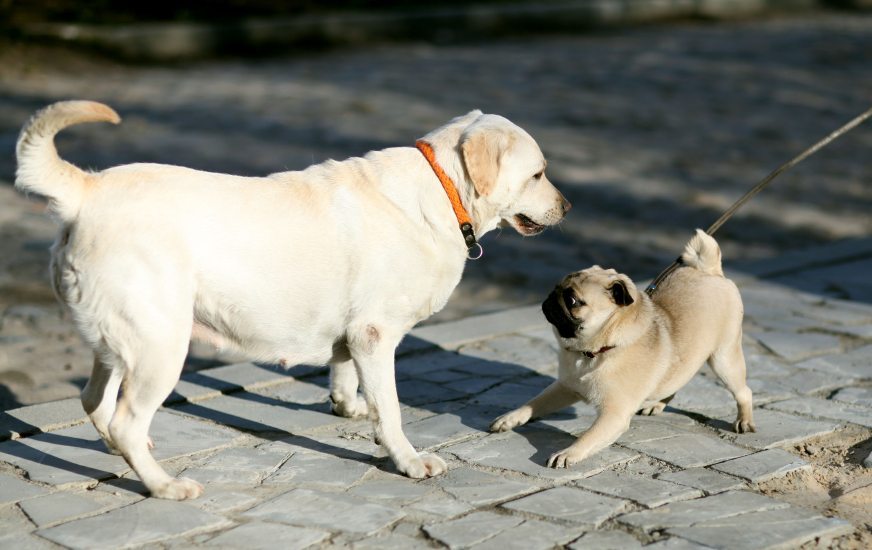
That worry led us to plan out a fairly involved, but genuinely worthwhile, introduction process. The two dogs first met somewhere public, where there was no shortage of sniffing and marking between them. Luckily, our older dog hit it off with the newcomer right away. He barely blinked when they ended up riding home together in the car. We just hope he doesn’t expect that kind of instant friendship with every dog he meets from now on.
Reassure Your Original Dog
Once we got home, each family member made a point of spending one-on-one time with each dog separately. That helped our older dog understand his space hadn’t been taken over. It also gave him time to adjust to the newcomer’s scent while realizing he wasn’t losing out on any affection.
It might sound a bit over-the-top — similar to the kind of careful planning you’d do when bringing a newborn home from the hospital — but we take both dogs’ emotional and physical well-being seriously. It’s simply part of caring for them properly, and ideally, it helps keep fresh urine stains off the carpet.