Owning a dog brings plenty of affection and fun, but it’s also a serious responsibility. Keeping our pets happy and healthy for the long haul means making countless decisions, from veterinary care and training to what goes into their daily meals.
Choosing a pet food, in particular, involves weighing a lot of considerations, including the environmental toll that commercially manufactured kibble can take.
There’s a common belief nowadays that so-called “human food” is universally bad for dogs, and while some of it certainly is, dogs actually ate alongside people for thousands of years, sharing diets that were remarkably similar to ours. Up until the mid-1800s, a typical dog’s diet was mostly raw meat and table scraps. The first food made specifically for pets appeared in England in 1860, created by an electrician named James Spratt. Known as Spratt’s Meat Fibrine Dog Cakes, these early biscuits were expensive and aimed mainly at wealthier pet owners.
Spratt brought his company to America in the 1870s, and the commercial dog food industry quickly took off from there. Canned dog food debuted in 1922, made from horse meat, and by 1941 more than 50,000 horses were being slaughtered each year to supply that industry. Horse meat is no longer part of pet food production today, but it’s still within meat production overall that pet food’s biggest environmental footprint shows up.
Researchers have confirmed that the pet food sector leaves a considerable carbon footprint. A 2017 study, for instance, calculated that dog and cat diets in the U.S. alone account for roughly 25 to 30 percent of the environmental impact tied to animal production, when measured in terms of land, water, fossil fuel, phosphate, and pesticide use. So what steps can environmentally minded pet owners take to bring those figures down?
How Climate Change Connects to Pet Food Production
First, pet owners should grasp just how serious today’s global climate crisis really is. The past four years rank as the hottest ever recorded, driving environmental problems like rising sea levels and deteriorating air quality. Climate change also carries real consequences for public health.
Malnutrition and food insecurity remain widespread globally, and climate change is only making matters worse. As land and fresh water grow scarcer for farming and food production, prices continue to rise. As a result, public health experts are searching for ways to strengthen global food supplies while pushing for agricultural practices that are both sustainable and workable.
For the pet food industry, that means seeking out more sustainable meat sources, but individual pet owners have a role to play too. Anyone hoping to shrink their carbon footprint should look for a pet food option that’s kinder to the environment while still delivering the nutrition their pet needs. Locally sourced pet food is one way to make a positive difference, and raw or vegetarian diets are other alternatives worth considering. That said, these non-traditional diets come with their own drawbacks.

Adjusting Your Dog’s Diet With the Environment in Mind
Most dog owners already know that switching up their pet’s diet can have consequences. Changing or rotating foods can trigger issues such as skin allergies, digestive upset, or even cardiac problems in some cases. Fortunately, most symptoms tied to a diet switch tend to be temporary, and easing into any change gradually can help minimize discomfort.
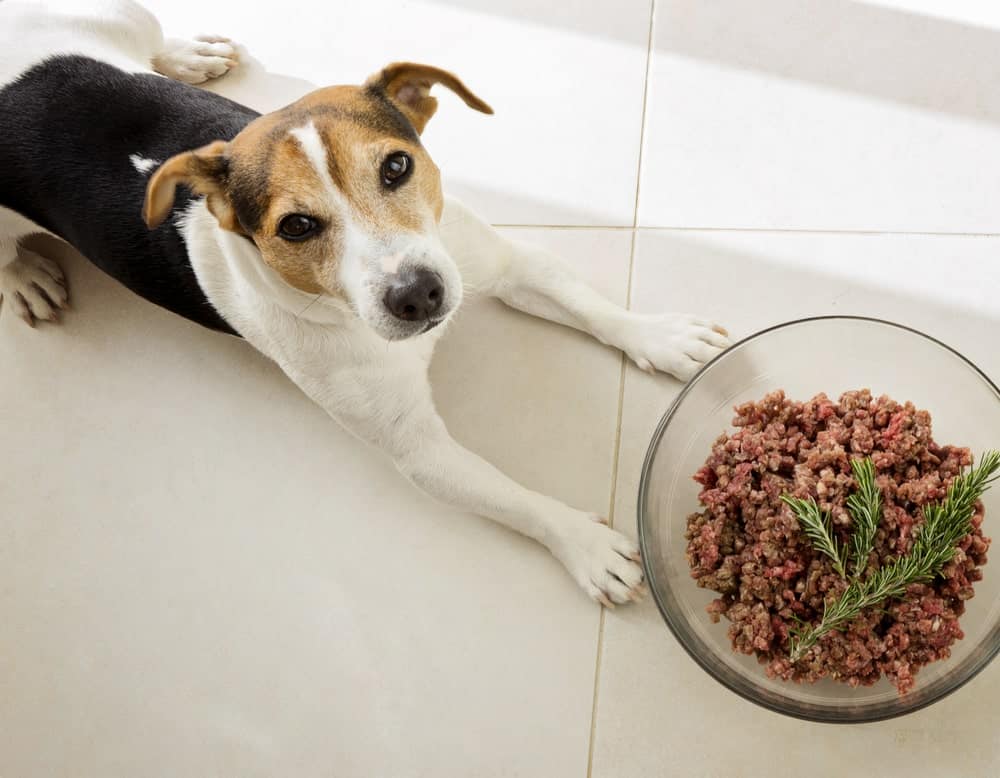
So which kind of change actually helps shrink your carbon footprint? For a lot of pet owners, a raw food diet offers an option that’s both eco-friendly and healthy. This approach has stirred up debate ever since it was introduced back in 1993, but supporters point to a long list of benefits.
For one thing, raw diets skip food processing entirely. Processed pet foods carry a far larger carbon footprint than raw options, largely due to excess packaging and pollution generated during manufacturing. Dogs may also gain other benefits from raw feeding, including healthier skin, a shinier coat, and more energy.
Keep in mind that with a raw diet, the responsibility for balanced nutrition falls entirely on you. There are also a few common pitfalls to avoid when transitioning your dog to raw food—for instance, never combine raw food with kibble, and don’t overdo it with supplements added to the mix.
Bringing Environmental Awareness Into Pet Ownership
Dogs mean so much to us that many owners would go to great lengths for them. Data shows that more than 33% of dog owners would turn down a job opportunity for their pet, and an even larger 61% said they’d end a relationship over it. Given that level of devotion, shouldn’t more dog owners also be willing to help curb climate change for their dog’s sake?
Switching to a raw diet, or taking other steps to lower your carbon footprint, can help create a healthier environment for both people and dogs. The dietary changes you make can carry real environmental weight, particularly when it comes to greenhouse gases—studies show that the methane and nitrous oxide generated during pet food production is comparable to the emissions from 13.6 million cars driven for a year. Choosing more sustainable dog food options and cutting down on those numbers could make a meaningful difference for the planet’s overall health.