Cat breeds vary enormously in their physical traits, and tail length is one of the most noticeable differences among them. Some breeds carry long, expressive tails, while others are recognized for having remarkably short tails or none at all. These distinctive tails typically trace back to genetic mutations, deliberate breeding choices, or natural evolutionary changes. Breeds with shorter tails often come with their own charm and backstory, adding to the wide variety found across the cat world. This piece looks at seven cat breeds known for their especially short tails, covering the genetics, background, and personalities that set each one apart. We’ll also touch on why mixed-breed and rescue cats, no matter their tail length, make just as wonderful companions—proof that appearance has nothing to do with how much love a cat can give.
1. Highlander
Highlanders stand out visually thanks to a short, thick tail that may be straight or curled. The breed came from a deliberate crossbreeding effort meant to give a domestic cat a wilder look, producing large, muscular cats with a warm, friendly temperament. Highlanders tend to be playful and affectionate toward their families. The kink or curl often seen in their short tails adds to their distinctive look, setting them apart from other breeds.
2. Scottish Fold
The Scottish Fold is best known for its folded ears, but this same breed can also have a tail shorter than average. Tail length and flexibility differ from cat to cat, with some Folds showing notably short tails tied to the same cartilage-affecting mutation responsible for their folded ears. Physically, the breed is marked by a round face, plush coat, and easygoing personality. Scottish Folds are social, affectionate cats that like being part of everything their owners do, and they’re often quite playful and vocal when asking for attention or food. Anyone considering a Scottish Fold should be aware of health concerns tied to their genetics, particularly cartilage-related issues.
3. Siamese (Traditional)
Traditional Siamese cats, sometimes called Applehead Siamese, occasionally have a shorter tail, though this is less consistent than in the other breeds covered here. Some individuals show a slight kink or a length shorter than the classic long, whip-like Siamese tail. This variety is recognized for its vivid blue almond-shaped eyes, pointed coloring, and affectionate, talkative personality. They’re highly social cats that form close, loyal attachments to their owners and tend to dislike being left alone. Regardless of tail variation, it’s their loving temperament and eye-catching looks that have made them a longtime favorite among cat enthusiasts.
4. Kurilian Bobtail
Originating from Russia’s Kuril and Sakhalin islands, the Kurilian Bobtail naturally carries a short tail, with each cat’s tail curled or shaped in its own individual way. The breed is prized for its sturdy build, robust health, and hunting ability. Kurilian Bobtails are sociable, playful, and intelligent, and they typically bond closely with their families. Their tails, which range from a gentle curve to a full spiral, contribute to their distinctive look.
5. Pixie-bob
Legend holds that the Pixie-bob descended from a bobcat mating with a domestic cat, though this origin story is largely folklore rather than fact. Known for a bobbed tail that can measure as little as 2 inches, Pixie-bobs have a rugged, muscular build and a somewhat wild appearance. Despite that look, they’re gentle, loyal cats that do well with families and are often called “dog-like” for behaviors like walking on a leash and playing fetch.
6. British Shorthair
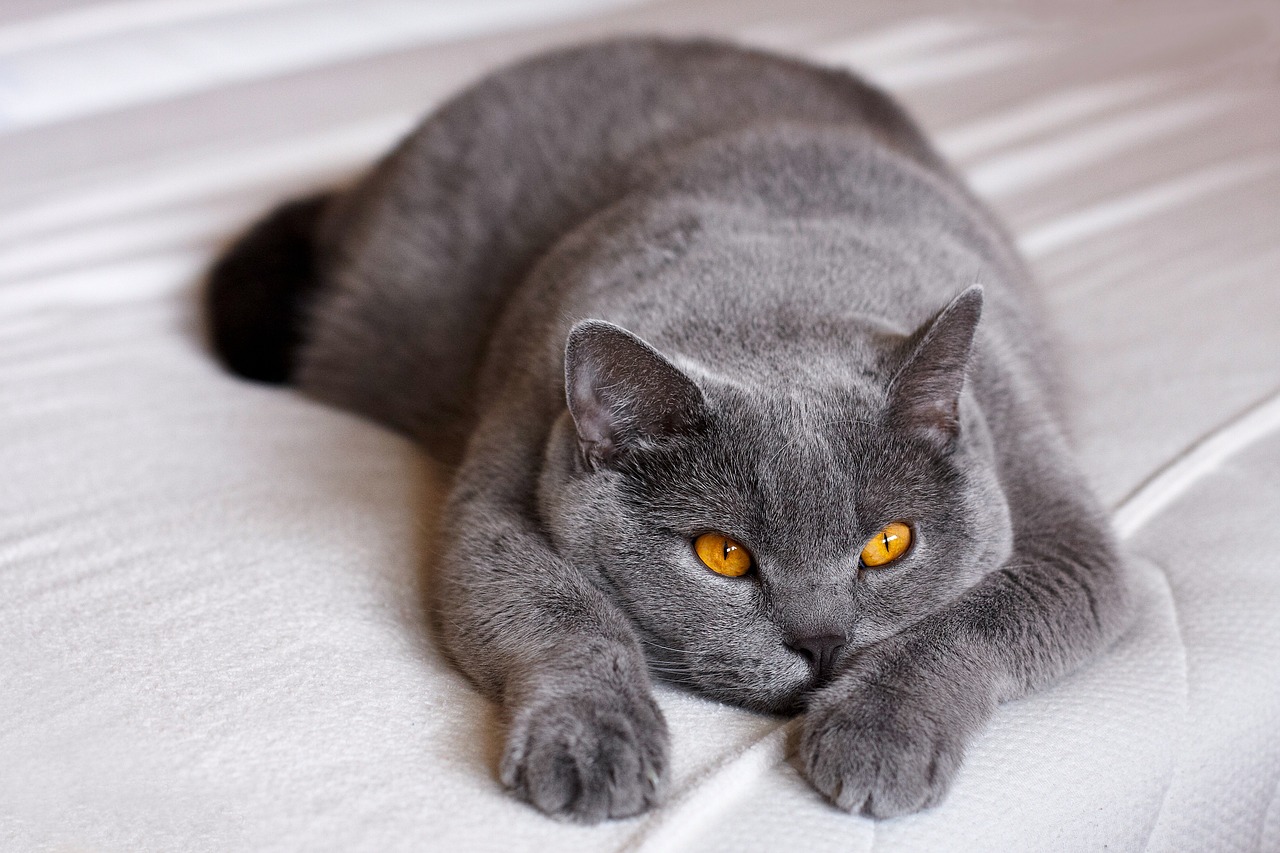
Recognized for a dense coat, round eyes, and full cheeks, the British Shorthair also tends to have a shorter tail than many other breeds. The tail is thick at the base and tapers to a rounded tip, generally staying proportionate to the breed’s stocky, compact body. British Shorthairs are known for their laid-back temperament, making them a good fit for families or single owners alike. They don’t demand constant attention the way some breeds do, but they still enjoy affection from their people. Their sturdy frame, calm nature, and shorter tail combine to give them that teddy-bear look that’s made the breed so popular.
7. Bombay
With its sleek black coat, the Bombay resembles a miniature panther, and its medium-length tail can look shorter thanks to fur that lies close to the body. Bombays are affectionate, outgoing cats that love being the center of attention, and they’re known for a playful streak that keeps them seeking out human company. Although their tail isn’t as short as those of the other breeds discussed here, it complements their compact, muscular frame and adds to their exotic look. Bombays adapt well to different living situations, making them a loving addition to almost any household.
Mixed Breeds and Rescues
Mixed-breed and rescue cats can just as easily have short or absent tails, whether inherited genetically or caused by an injury. Bringing home a mixed-breed or rescue cat gives a cat in need a loving home, no matter what its tail looks like. These cats often bring plenty of charm and the capacity for a deep, affectionate bond with their owners—a reminder that a cat’s worth has nothing to do with its physical traits.
Ultimately, short-tailed cat breeds offer a fascinating window into feline genetic diversity and adaptability. Whether shaped by natural mutation or intentional breeding, these cats have developed distinctive looks and lovable personalities that make them cherished pets. Still, it’s worth remembering that every cat, no matter its breed or tail length, is capable of offering love, joy, and companionship. Mixed-breed and rescue cats, each with their own story, are every bit as deserving of admiration and a permanent home.