Our dogs fill our lives with joy, from happy tail wags to sloppy kisses. But just like people, dogs can end up with food allergies that leave them feeling far from their usual playful selves. If your pup has been scratching, itching, or just seeming off, a food allergy might be to blame. No need to stress, we’re going to walk through it in a way that’s simple, approachable, and useful. By the time you finish reading, you’ll know exactly how to spot and manage food allergies in your dog.
What Exactly Are Food Allergies in Dogs?
A food allergy occurs when a dog’s immune system wrongly identifies an ingredient in their food as dangerous. Rather than letting it pass, the body launches a defensive response, triggering a range of uncomfortable symptoms. This is different from a food intolerance, which usually just upsets the stomach; an allergy involves the immune system directly and can affect your dog’s health more broadly.
Typical Signs of Food Allergies
Figuring out whether your dog has a food allergy takes a bit of detective work. Since dogs can’t tell us when something feels itchy or off, we have to read the signals they give us. Watch for things like:
If you’re noticing any of these signs in your dog, it’s time to start investigating the cause.
Ingredients That Commonly Cause Trouble
Technically, a dog can be allergic to nearly any ingredient, but some are far more likely culprits than others, including:
- Beef
- Chicken
- Dairy
- Wheat
- Soy
- Eggs
- Corn
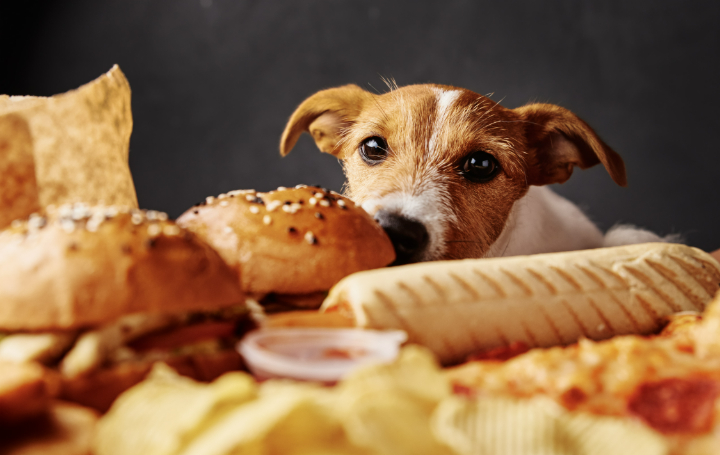
Since these ingredients show up in so many commercial dog foods, pinpointing the exact trigger can take some patience and trial and error.
How Vets Diagnose Food Allergies
There isn’t a quick, simple test to diagnose a food allergy (allergy tests do exist for dogs, but they aren’t always dependable). Instead, veterinarians typically recommend what’s called an elimination diet. Here’s how that process generally goes:
Managing a Food Allergy Long-Term
Once you’ve pinpointed the cause, keeping your dog’s allergy under control gets a lot simpler. Here’s what that typically involves:
1. Choosing the Right Food
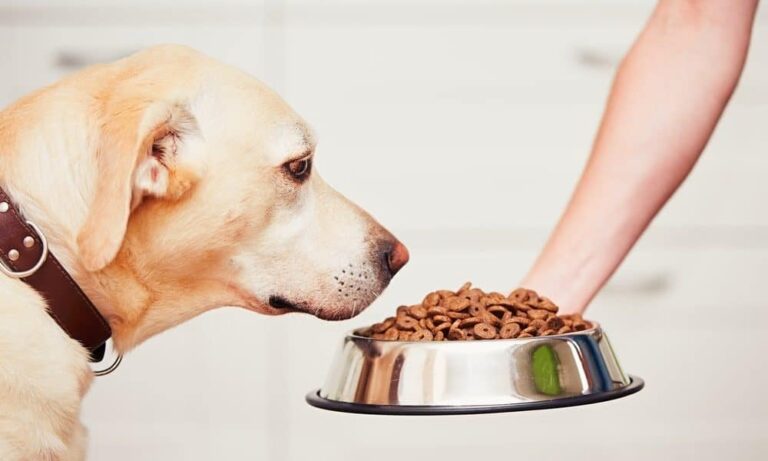
Look for a high-quality dog food that leaves out the problem ingredient. Many brands offer grain-free, limited-ingredient, or hypoallergenic formulas, just be sure to check labels closely.
2. Cooking at Home
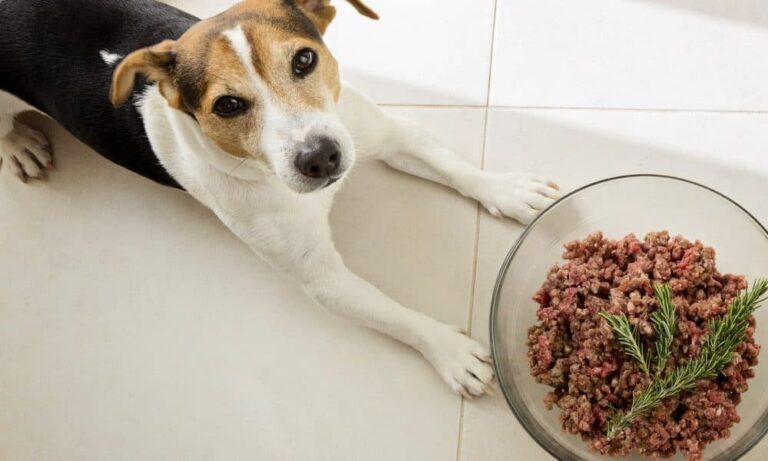
If you’d rather have full control over your dog’s meals, consider preparing food yourself. Team up with your vet or a pet nutritionist to build a diet that covers all their nutritional bases. It takes more effort, but your dog will love the extra care that goes into it.
3. Treats and Snacks
Treats matter too. Since many store-bought options contain common allergy triggers, look for allergy-safe versions or make your own. Simple options like carrot sticks or seedless apple slices can be safe, healthy snacks.
4. Keeping an Eye on Their Surroundings
Food isn’t the only possible trigger. Things like pollen, dust mites, or mold in your dog’s environment can also play a role in their symptoms. Keeping their space clean and using an air purifier can help cut down on exposure.
5. Staying the Course
Consistency really matters here. Stick with the diet plan and avoid sneaking in foods that could undo your progress. Make sure everyone in the house, and any visitors, know what your dog can and can’t have.
What About Medication?
Sometimes a food allergy causes symptoms severe enough to need medical treatment. Your vet may prescribe antihistamines, steroids, or medicated shampoos to ease itching and inflammation. These won’t cure the underlying allergy, but they can bring relief while you work on identifying and removing the trigger.
Can Food Allergies Be Prevented?
There’s no foolproof way to prevent food allergies altogether, but a few habits can support your dog’s overall health:
- Feed a Well-Rounded Diet: A quality diet with varied proteins and nutrients helps keep the immune system strong.
- Introduce New Foods Gradually: Add new foods slowly so you can watch for any reactions.
- Keep Up With Vet Visits: Regular checkups make it easier to catch problems early.
When It’s Time to Call the Vet
If your dog’s symptoms are serious or aren’t getting better, it’s time to bring in your vet. They can rule out other causes, like fleas or infections, and help guide you through the elimination diet. Your vet is your strongest partner in keeping your dog healthy and comfortable.
Wrapping Up
Food allergies in dogs can feel like a bit of a mystery, but with some patience and careful observation, you can figure out what’s behind your pup’s discomfort. Once you’ve identified the trigger, managing it becomes much more straightforward. Your dog will show their gratitude with wagging tails, happy barks, and maybe a few extra snuggles.
Keep in mind that nobody knows your dog better than you do. Trust what you’re observing, stay alert to changes, and don’t hesitate to bring in professional help when it’s needed. A healthy, comfortable dog makes for a happier household all around.