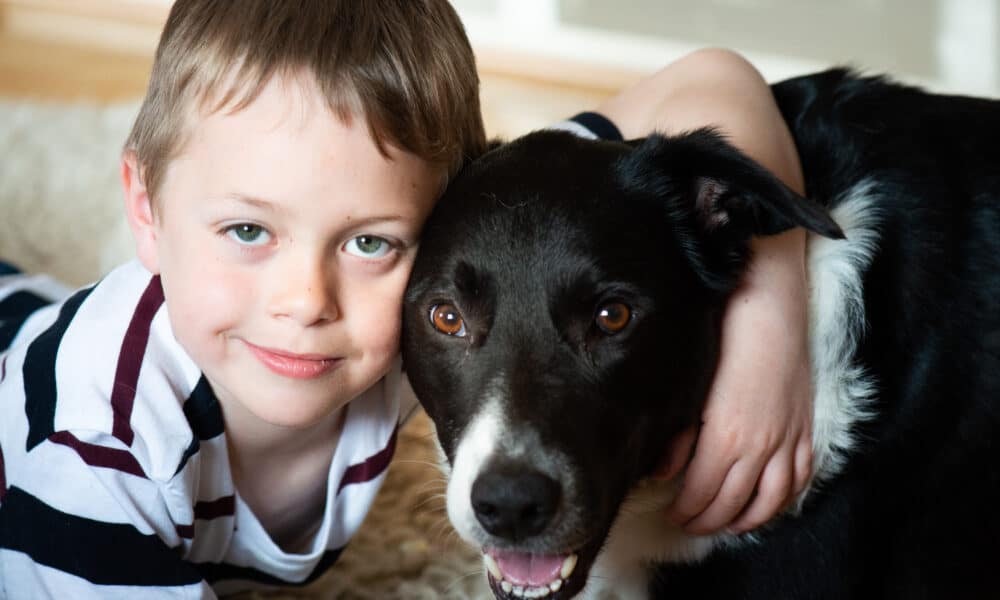
Dogs earn the title “Man’s Best Friend” for plenty of reasons – their loyalty, the companionship they offer, the protection and service they provide, and the simple fact that they make life better in countless ways.
The connections dogs build with people, no matter what challenges those people face, can transform daily life in ways nothing else quite matches.
For people living with Autism Spectrum Disorder (ASD) who benefit from strong interventions and daily support, a loyal companion with four paws and a wagging tail can turn out to be an incredibly effective source of help.
Every dog has the capacity to enrich the lives of the people around it, but certain breeds are especially well matched to the needs of someone on the autism spectrum.
These breeds tend to bring the right mix of temperament, patience, trainability, and natural instinct to offer both emotional reassurance and hands-on assistance to people with autism.
This article walks through how to pick a suitable dog, runs down seven breeds especially well-suited for autism support, and looks at the ways these dogs can genuinely improve life for people on the spectrum.
Finding the Right Dog Breed for Someone With Autism
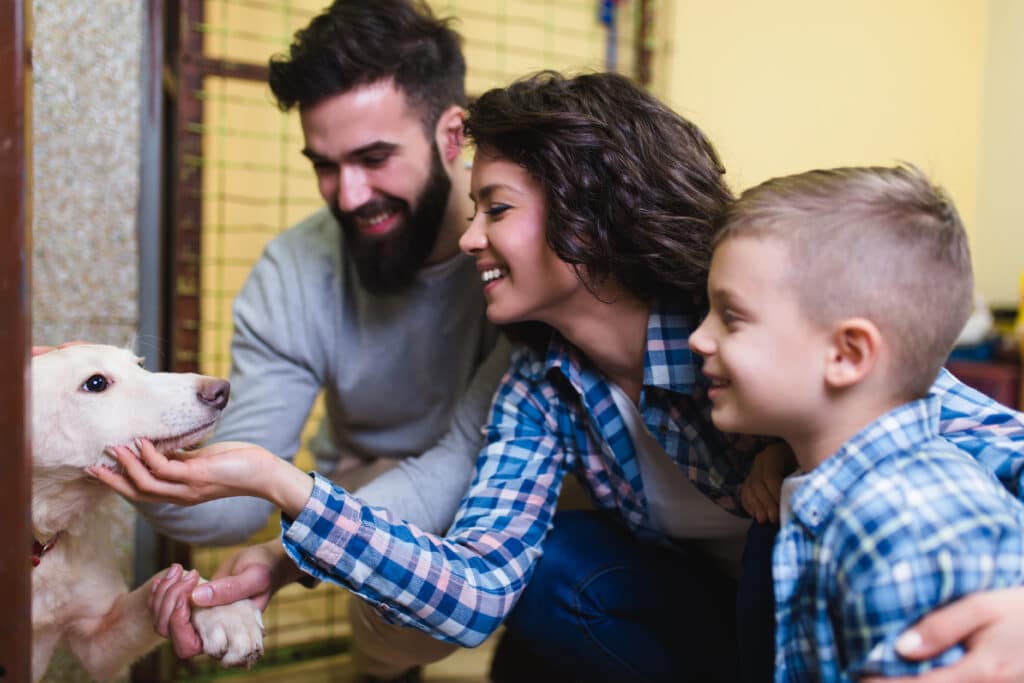
Every dog is unique, so picking the ideal breed for a person with autism means weighing several different factors carefully.
What to Look for in a Breed
When searching for a dog suited to autism support, keep the following in mind to land on the best fit:
- Temperament: A dog’s temperament matters enormously here, since it largely shapes how effective the dog will be as a companion. Look for a dog that’s calm, gentle, patient, and genuinely inclined to bond and offer comfort and empathy.
- Reading emotional cues: Beyond general temperament, a dog’s ability to respond to emotional shifts matters too. It should adapt well to things like heightened sensitivity, stress, or meltdowns that a person with autism might experience.
- Size and energy level: How big the dog is and how much energy it has are also worth weighing. Some people benefit from a larger dog that provides a feeling of protection, while others — especially children on the spectrum — may do better with a smaller, less intimidating dog.
- Trainability: A well-suited breed for autism support needs to be trainable, capable of learning tasks that help meet a person’s specific needs or support therapeutic goals.
- Certification: Some individuals with autism need more than a warm, friendly companion. In those cases, formal training helps a dog build the specific skills needed to properly assist its handler, and certification confirms the dog has met recognized standards.
- Categories of support dogs: Support dogs fall into different categories depending on what’s needed. Service dogs are trained to carry out tasks tied directly to a person’s disability — for someone with autism, that might mean retrieving medication, recognizing and signaling an oncoming anxiety episode, preventing self-injury, and more. Emotional support dogs, on the other hand, are mainly there to offer comfort and reassurance when it’s needed.
Making Sure It’s the Right Fit
Once you have a sense of how to choose a breed, the next step is making sure the match between dog and person is actually a good one.
Keep these points in mind:
- Matching energy levels to the person’s lifestyle and needs: It matters to find a dog whose energy level suits the individual’s day-to-day life. Some people with autism thrive with a high-energy dog that encourages physical activity, play, and social engagement, while others do better with a calmer companion focused on emotional steadiness.
- The household setting: Picking a dog for someone with autism isn’t so different from choosing a family dog generally. Consider the household’s dynamics, particularly if children with autism are involved. Some breeds have great temperaments for autism support but don’t mix well with kids or other pets, so make sure the dog fits well with the whole family.
- Adoption versus buying: Deciding whether to adopt or purchase a dog is another important consideration. Whichever route you take, make sure it comes from a reputable source so you can trust that the dog is healthy, well-socialized, and well-behaved.
Seven Great Dog Breeds for Autism Support
1. Golden Retriever
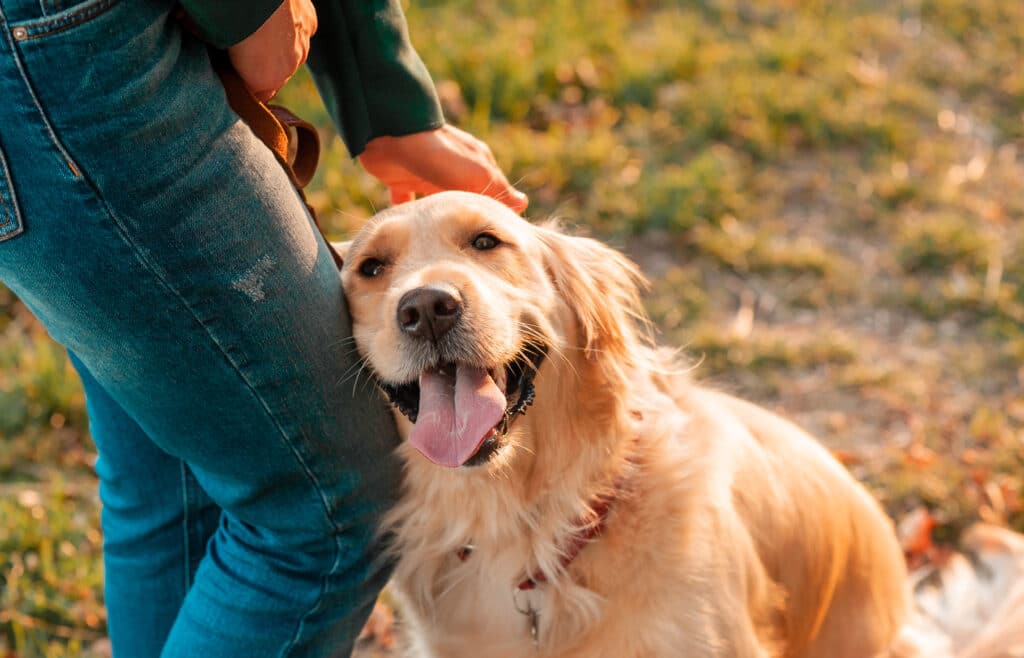
Golden Retrievers are widely known among dog owners as excellent family pets. Beyond that, they’re also frequently chosen as service dogs, therapy dogs, and emotional support animals.
So it’s hardly surprising they land on this list of breeds well-suited for autism support.
What makes them such a great fit for someone on the spectrum? They’re gentle, affectionate, friendly, great with kids, sociable, and naturally inclined to offer emotional comfort.
They’re also patient and intelligent, and tend to be easier to train than many breeds thanks to their eagerness to please.
2. Labrador Retriever
Like Golden Retrievers, Labradors have a well-earned reputation as both family companions and service dogs. Not convinced? Consider that they’ve held the title of America’s most popular dog breed for 31 years running.
As a leading choice for service work, Labradors are affectionate and adjust easily to new environments.
What earns them a spot on this list specifically? Their versatility. They’re highly social and enjoy human company, yet remain very attentive to their handler’s needs.
They also tend to work particularly well with people managing depression and anxiety.
3. Poodle
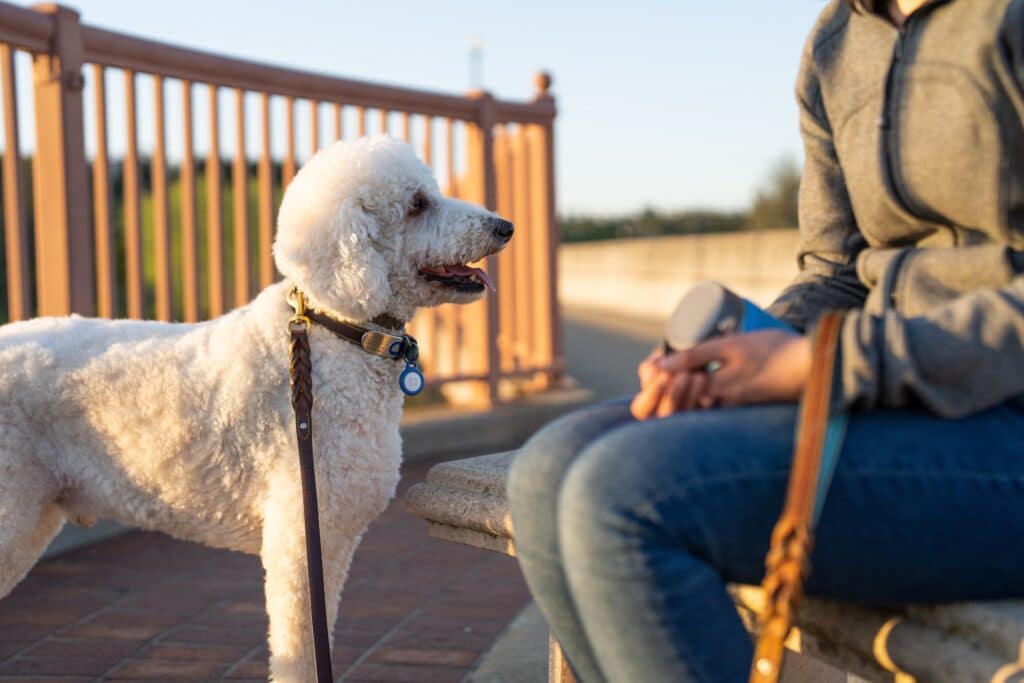
If a smaller dog is non-negotiable but you still want the same intelligence as a Golden Retriever or Labrador, Poodles are worth a look.
Poodles come in Standard, Miniature, and Toy sizes, giving you some flexibility on size.
They also make this list because they’re clever, highly trainable, affectionate, and sociable, making them a solid fit for children with autism who need a smaller companion.
That means they can meet a wide range of needs for someone on the spectrum.
On top of their intelligence, they’re also hypoallergenic. That said, they do tend to bark frequently, which might not suit someone on the spectrum who’s sensitive to noise.
4. Beagle
Another solid option for those who’d rather avoid a large dog is the Beagle.
Don’t let their small size fool you — Beagles bring a lot to the table for people with autism. They’re warm and affectionate with their owner or handler, though more reserved around strangers.
They’re well suited to someone with autism looking for comfort and a sense of security.
They’re also an active breed, making them a good choice if you’re aiming to encourage physical movement and sensory engagement.
5. Saint Bernard
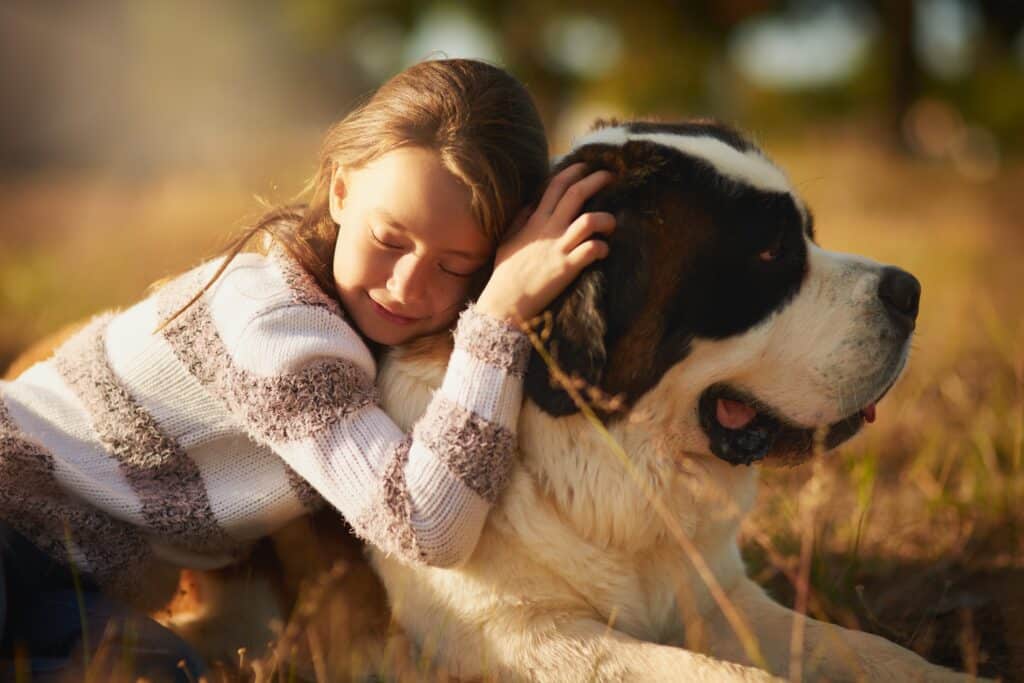
This one might catch you off guard, but Saint Bernards are genuinely among the calmest dogs around, which is exactly why they belong on this list.
Despite their large, imposing size, Saint Bernards are known for being calm, easygoing, and level-headed, and they work well with children and adults with autism alike. Their steady temperament can help build a sense of security and routine.
They’re also gentle dogs capable of simple tasks, and they’re particularly good for deep pressure therapy, which can be genuinely beneficial for people with autism.
That said, their large size means they eat a lot and could potentially overwhelm smaller children in the household, so it’s worth thinking that through before choosing this breed.
6. Collie
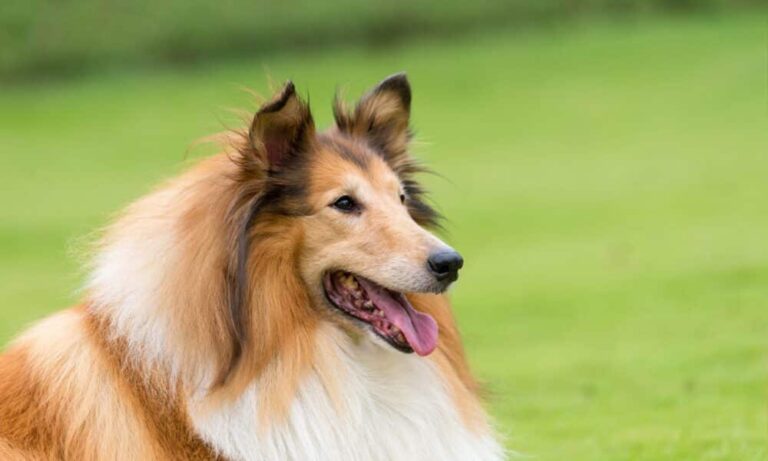
Collies are naturally sharp dogs, and there’s no question they deserve a place on this list.
Thanks to their intelligence, they’re easy to train, stay focused and alert, and make excellent service dogs. They’re also quick to pick up on and respond appropriately to different emotional states in their owner or handler.
Collies are also famously loyal, and you can count on one to stay close when you need it most — an ideal trait for someone with autism who finds social situations difficult.
7. Cavalier King Charles Spaniel

Cavalier King Charles Spaniels are small dogs capable of making a big difference in the life of someone with autism.
As one of the standout breeds for autism support, the Cavalier is naturally warm and affectionate. Unlike the other breeds mentioned here, this one wasn’t originally bred for any working role beyond being a devoted lap companion.
They’re known for being emotionally perceptive and sensitive, and they’re also easy to train, intelligent, and adaptable to different settings.
On top of that, they’re deeply people-oriented — whether it’s strangers or young children, a Cavalier tends to get along well with everyone.
How Dogs Help People With Autism Navigate Daily Life
Dogs leave a meaningful mark on our lives, and that holds especially true for people on the spectrum. So how exactly do dogs make a positive difference for someone with autism? Here’s how:
- Offering emotional support: Dogs can provide real emotional comfort to people with autism, particularly during moments of anxiety or low mood.
- Building independence: Everyday tasks that seem simple to most people can feel overwhelming for someone with autism. A dog’s calming presence can make things like heading outside, using public transportation, or taking a walk in the park much more manageable.
- Strengthening social and communication skills: People are naturally drawn to dogs. Having one nearby can make conversations easier, since the dog — not you — becomes the center of attention.
- Providing structure and security: Many people with autism struggle when routines break down. Dogs, on the other hand, thrive on consistency and routine.
- Supporting physical health: Walking or playing with a dog naturally builds in exercise.
- Offering sensory support: Dogs can bring a calming presence that helps during moments of anxiety or sensory overwhelm.
Conclusion
From simple friendship to genuinely life-changing support, dogs have shown time and again just how valuable they are to our lives, in ways both large and small.
So when it comes to choosing among the best breeds for autism support, take the time to research thoroughly before settling on one.
With the right match, a dog can enrich the life of someone with autism in countless ways — offering companionship, comfort, a sense of security, unconditional acceptance, and unwavering loyalty.