
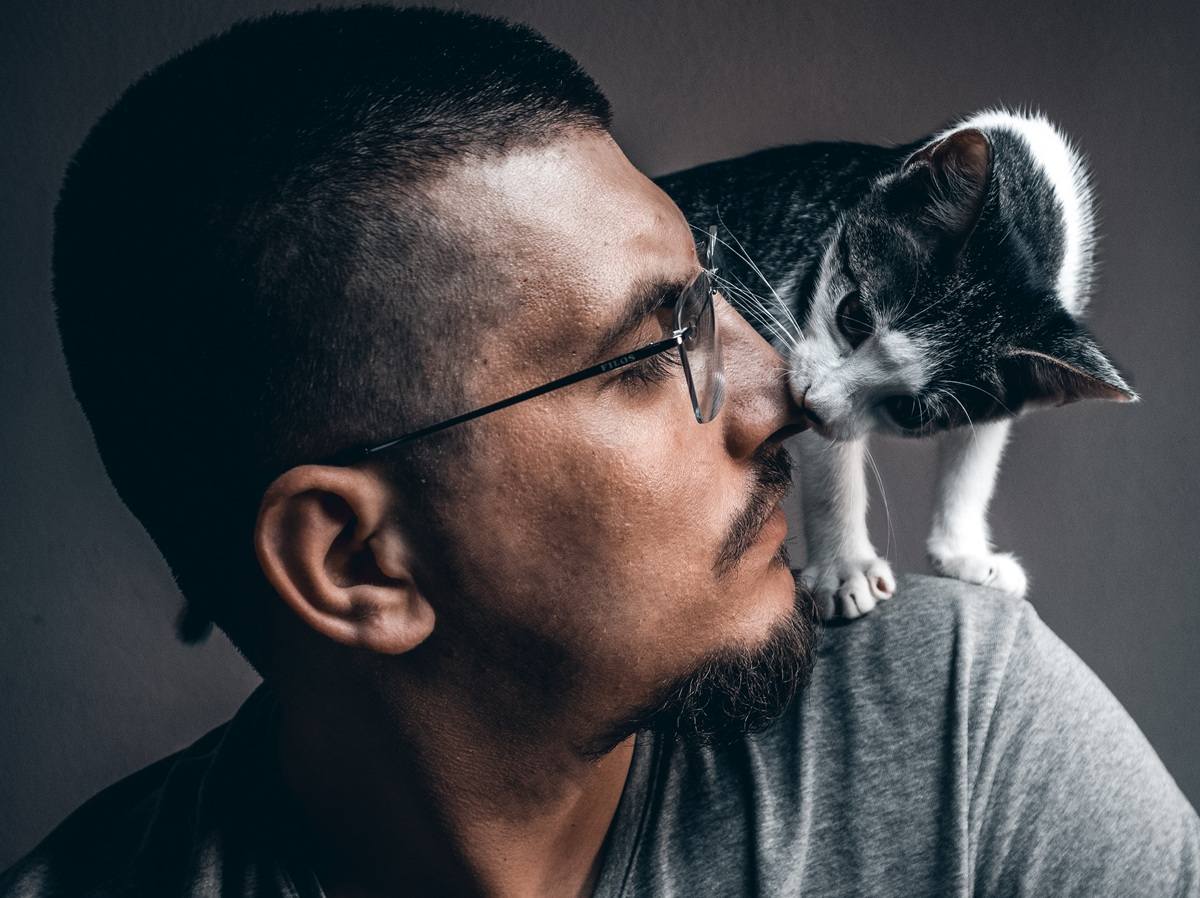
Cats are often thought of as aloof, quirky creatures who keep their feelings to themselves. Even so, plenty of cat parents swear their cats can tell when they’re upset, frustrated, angry, or content. Personally, whenever I’m feeling down, a few of my own cats seem to notice and respond with extra cuddles.
Recent findings along with countless personal accounts suggest cats are much more emotionally perceptive than they’ve been given credit for. They may not copy human emotions exactly, but cats do appear to respond to their owners’ moods through cues in body language, behavior, and their surroundings.
Let’s take a closer look at whether cats genuinely pick up on their owners’ feelings, or whether people are simply reading their own emotions into their pets’ behavior.
How Cats Read Human Emotions
Cats pay close attention to the emotional and behavioral signals given off by the people they live with. Even though they haven’t lived alongside humans as long as dogs have, they’ve still adjusted well to shared living.
A 2020 study published through PubMed Central showed that cats combine what they see and hear to identify human emotional states. The cats in the study could tell the difference between emotions like happiness and anger, and their behavior shifted depending on whether they read those emotions as positive or negative.
With enough exposure, cats become skilled at reading human facial expressions, tone of voice, posture, and even scent. They can even pick up on and reflect the emotional patterns of the people who care for them.
Cats track their owners’ emotional states through cues like:
- The tone of voice: They notice a softer tone when an owner is sad, and a louder one when an owner is angry.
- Physiological changes: Cats also sense changes in our bodies, such as a faster heart rate, variations to breathing patterns, and elevated blood pressure, as well as a stiff posture when stressed.
- Mood: Cats can often detect whether we’re relaxed or feeling anxious.
- Facial expressions: Felines can distinguish between a smile and a frown.
- Pheromones: Cats have an exceptional sense of smell and a sensory organ (the VNO) that detects chemical signals. Cat can sense our anxiety, stress, or fear due to the hormones like cortisol and adrenaline released in our sweat and breath.
Emotional Sensitivity in Cats: What Makes Some Felines More Tuned In
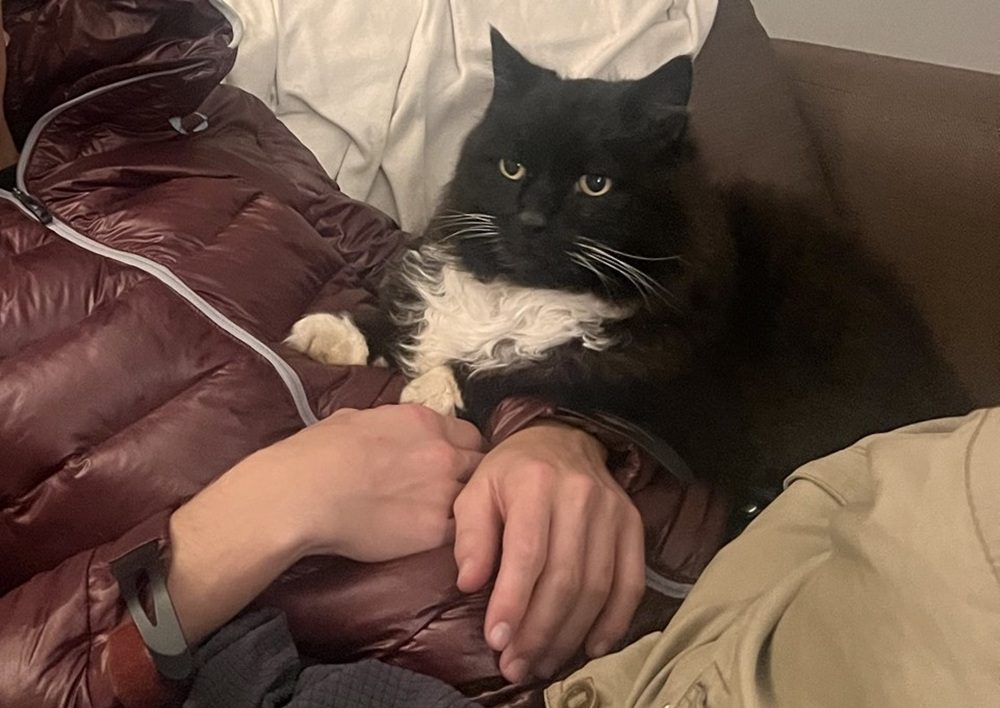
Not every cat responds to human emotion the same way. A handful of factors shape how emotionally responsive an individual cat turns out to be:
1. Personality
Some cats naturally gravitate toward people and physical affection, while others stay guarded or timid. An outgoing cat is more likely to seek out closeness when its owner is upset. Some cats are simply more perceptive and tuned in to their owner’s shifting moods than others, who tend to keep more to themselves.
2. Early Socialization
Kittens introduced to friendly, varied human interaction during their key socialization window, roughly weeks 2 through 7, tend to grow up more self-assured and form deeper emotional connections with people down the line.
3. Breed Tendencies
Certain breeds — Burmese, Siamese, Ragdoll, and Sphynx among them — are known for being especially eager to please and tuned into their owner’s emotional state.
4. The Strength of the Human-Cat Relationship
Shared moments like play and cuddling help strengthen the connection between a cat and its owner, deepening how well they understand one another. Many cats pick up on human gestures, such as pointing, and can recognize their owners by sight as well as sound.
5. Associative Learning
Cats are quick to pick up on behaviors that bring good outcomes, like getting attention or affection. When you regularly respond warmly to your cat seeking comfort, it starts linking your attention with a positive experience.
6. The Home Environment
The surroundings a cat lives in matter a great deal for its emotional health. A peaceful, affectionate household gives a cat a feeling of safety, which allows it to bond more authentically with its owner. A disorganized or tense home life, by contrast, can leave a cat feeling unsettled and anxious.
In the end, a mix of genetics, upbringing, and surroundings determines just how emotionally in tune a cat becomes — a reminder of how perceptive these animals really are.
Emotional Contagion and Mirroring in Cats Explained
Researchers use the phrase “emotional contagion” to describe the way one creature’s emotional state can spread to and influence another’s. It’s been documented across a range of species, including goats, dogs, crows, horses, and various primates, and now researchers are turning up evidence that cats experience it too, as their cognitive and emotional capacities get more scientific attention.
Mirroring in cats refers to the intriguing way felines seem to reflect or respond to their owner’s emotional state, underscoring the natural connection between them. It tends to show up through sounds, posture, or actions that closely track what their owner is feeling.
Have you noticed your cat curling up next to you, purring away, or kneading and rubbing against you when you’re sad or upset? That’s your cat picking up on your mood and trying to offer comfort. In much the same way, a stressed cat might retreat to a quiet corner to escape the tense atmosphere, or withdraw altogether. When you’re upbeat or playful, on the other hand, your cat might come bounding over with matching energy.
Generally speaking, as an owner’s emotional state shifts, the cat adjusts its own behavior to match or cope with what’s unfolding around it. Recognizing this mirroring effect can help owners better meet their cat’s needs and build a more pleasant shared environment.
Can Human Emotions Cause Stress or Health Problems in Cats?
As covered above, cats build strong bonds with their people, and that closeness means your anxiety, stress, or emotional strain can transfer to them without you meaning it to — cats essentially soak up emotional energy like sponges. When a cat repeatedly reacts to a stressed-out owner, it can end up with lasting physical tension, shifts in behavior, and health complications. Given enough time, that accumulated emotional burden can wear down their health and weaken their immune system.
This harmful side of emotional mirroring between cats and their owners can show up as:
- Heightened attachment – A pet can become overly dependent on their human, unable to function independently.
- Medical condition – Feline Lower Urinary Tract Disease, particularly Feline Idiopathic Cystitis, is one of the most common consequences of emotional contagion, which can cause bladder inflammation and urinary blockages, especially in male cats.
- Compulsive disorders – Highly stressed cats can develop abnormal, repetitive behaviors such as psychogenic alopecia, tail chasing, pica, Feline Hyperesthesia and hallucinatory actions.
- Withdrawal – Unpredictable owners can cause a cat’s nervous system to become overly frightened or defensive. As a result, cats may avoid interacting with their owners and spend a lot of time hiding.
- Fear or Aggression – A cat may develop dread or hostility by mirroring their owner’s panicky or aggressive tendencies.
- Stress-related illnesses – If an owner experiences neuroticism, chronic anxiety, depression, or PTSD, their cat may mirror these emotions, harming their health by raising the cat’s cortisol levels and potentially leading to stress-related illnesses. The tension the cat experiences may manifest as changes in appetite, altered litter box habits, and disrupted sleep patterns.
- Behavioral problems – Cats tend to absorb their owner’s negative emotions, which can result in excessive vocalization, destructive scratching, and urine spraying, as well as eliminating outside the litter tray. This house-soiling behavior can create a frustrating cycle, making both the pet owner and the cat more stressed.
Ways to Help Keep Your Cat Emotionally Balanced
Looking after your cat’s emotional state deserves just as much attention as tending to its physical needs. Nurturing a genuine bond and prioritizing its contentment can help build a calmer household for you both.
A few approaches worth trying:
- Create a tranquil atmosphere at home – by playing classical music, using soft lighting, and establishing consistent routines to help ease anxiety.
- Incorporate calming scents – use pheromone diffusers and dried herbs such as Valerian to encourage relaxation.
- Practice being present – spend quiet moments together with your cat, allowing them to come to you at their own pace. Sit beside your cat without expectations or distractions.
- Engage in gentle activities – set aside time each day for play with toys, supervised outdoor access and brushing to provide a positive outlet for your cat’s energy.
- Begin inner work – place a hand on your heart, notice your breathing before interacting with your feline, and journal how you felt during the still moment with your cat.
- Manage your own stress – prioritize your mental well-being to support your cat’s emotional safety.
Final Thoughts
Cats don’t necessarily express feelings the way people do, but they’re remarkably in tune with how we feel. They observe our behavior closely, notice changes in our mood and daily rhythm, and frequently respond with a surprising amount of empathy. Even if it isn’t always immediately obvious, that connection is real and deeply meaningful for the many cat owners who share their lives with these animals.